heartleaf arnica Care (Arnica cordifolia)

Also known as: Heart-leaved Arnica
heartleaf arnica

About heartleaf arnica

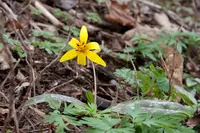
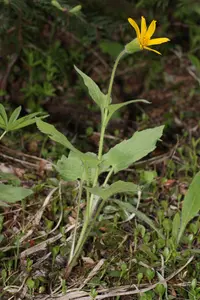
Heartleaf arnica (Arnica cordifolia) is a perennial wildflower in the sunflower family, valued for its bright yellow, daisy-like blooms and distinctive heart-shaped leaves. It forms loose clumps or patches from creeping rhizomes, creating a soft ground layer in naturalistic and woodland-style plantings.

This species is native to western North America, typically found in open forests, mountain meadows, and lightly shaded slopes. It prefers cool conditions, partial sun, and well-drained, humus-rich soil with steady moisture. These traits make it moderately challenging in hot, dry gardens. Gardeners who learn how to care for heartleaf arnica usually focus on matching its natural woodland environment and avoiding waterlogged or compacted soil.

Main Plant Requirements

Care Difficulty

Moderate Care

Light Preference

Partial Shade

Water Requirements

Moderate Water

Temperature Preference

Cold Hardy

Hardiness Zone

3–8

Soil Texture

Loamy, Sandy, Rocky

Soil pH

Acidic (5.5–6.5), Slightly acidic (6.5–7.0)

Soil Drainage

Moist but well-drained

Fertilization

Minimal (feed rarely)

Get Personalized Care Plan

Scan your plant to receive care tips personalized for your specific plant

Available on iOS and Android

How to Care for the heartleaf arnica

This species prefers bright, cool woodland light that mimics open forest edges.

  • Provide 3–5 hours of gentle morning sun with dappled or filtered shade the rest of the day, especially in late spring and summer.
  • In hotter regions, protect heartleaf arnica from direct midday and afternoon sun to reduce leaf scorch and moisture loss.
  • In shade deeper than bright open woodland, flowering declines; in exposed full sun, foliage may yellow and dry, especially during drought.

This woodland perennial prefers evenly moist, well-drained soil that never stays soggy.

  • Allow the top 2–4 cm of soil to dry slightly between natural rain events or irrigations, then water thoroughly so moisture reaches the full root zone.
  • Use loose, gritty or loamy soil with good drainage; persistent wetness, sour smell, or soft, dark stems indicate overwatering or poor aeration.
  • In hot, dry periods, increase frequency if leaves wilt and fail to perk up by evening; reduce watering in cool fall conditions and winter dormancy.

This species is a cool-temperate perennial adapted to mountain and forest climates.

  • Support active growth in spring and early summer at 55–70°F (13–21°C), which balances root activity with low stress on foliage.
  • Mature plants typically survive down to about -20°F (-29°C) under snow cover, but young crowns exposed to repeated freeze–thaw are more vulnerable.
  • In hot spells above 80–85°F (27–29°C), growth slows; provide shade and soil moisture to limit stress and prevent premature dieback of foliage.

This species tolerates a wide humidity range and does not usually need special humidity control.

  • Target 30–60% humidity, which matches typical indoor and outdoor conditions in many homes and gardens.
  • Heartleaf arnica handles short dry spells, but consistently very dry air can slow growth and cause leaf edges to brown.
  • If air is extremely dry, increase local humidity with a nearby pebble tray or by grouping plants rather than misting leaves heavily.

Arnica cordifolia prefers loose, well-drained, humus-rich soil that stays lightly moist but not waterlogged.

  • Use a mix of 50–60% loam or standard potting mix with 30–40% leaf mold or compost and 10–20% coarse sand or fine grit for structure.
  • Aim for slightly acidic to neutral pH around 6.0–7.0, which supports nutrient availability and healthy root development.
  • Ensure fast drainage by avoiding heavy clay and adding coarse particles that create air spaces and prevent compaction.
  • Do not allow soil to remain saturated; improve aeration by working in organic matter and coarse sand where water tends to stand.

This species can be grown in containers if the pot mimics cool, moist, well-drained woodland soil conditions.

  • Choose a broad, medium-depth container that allows spreading rhizomes while preventing the medium from staying wet at the base.
  • Use a heavier clay or ceramic pot if placed outdoors, which stabilizes the plant against wind and moderates moisture swings.
  • Raise the pot slightly on feet or bricks outdoors so drainage holes never sit in collected runoff, reducing root rot risk.

This native woodland perennial needs only light feeding, as heartleaf arnica is adapted to low-nutrient soils.

  • Use a thin layer of compost or a mild, balanced fertilizer (around 5-5-5) in early spring.
  • Feed once per year during active growth; skip additional doses if foliage looks healthy.
  • Dilute liquid fertilizer to 1/4–1/2 strength to avoid root burn and overly lush, weak growth.
  • Avoid fertilizing in late fall or winter when growth is dormant or slowed.

Pruning Arnica cordifolia is minimal and mainly supports plant health and tidy growth.

  • Best time is late fall or very early spring, when plants are dormant or just emerging.
  • Snip off dead, damaged, or diseased stems and spent flower stalks using clean, sharp scissors or pruners.
  • Thin crowded patches lightly to improve air flow and reduce fungal issues while maintaining a natural shape.
  • Avoid cutting back healthy leaves in midsummer, as they are needed for energy storage in the rhizomes.

This species is most often transplanted in gardens or woodlands rather than repotted as a long-term container plant.

  • Plan transplanting for early spring or early fall, when temperatures are cool and soil moisture is stable.
  • Move plants when clumps become crowded or growth declines, usually every 3–5 years in cultivated beds.
  • Lift the clump with a fork, keeping as many fibrous roots and rhizomes intact as possible to limit stress.
  • Replant at the same depth into moist, well-drained soil, then water thoroughly and shade lightly for 1–2 weeks.

Arnica cordifolia is commonly propagated by division or seed in garden settings.

  • Divide established clumps in early spring or early fall, separating rhizomes with several buds and roots.
  • Replant divisions into moist, well-drained, slightly acidic soil and water consistently until established.
  • Sow fresh seed outdoors in fall so natural winter cold stratification breaks dormancy.
  • For indoor seed starting, chill moist seed for 4–6 weeks at 35–40°F, then provide cool, bright conditions for germination.

This species is cold hardy in much of its native range and typically needs little active winter care in the ground.

  • Tolerates freezing conditions and snow cover once established, with foliage naturally dying back.
  • Apply a light mulch layer (2–5 cm) after the ground cools to buffer freeze–thaw cycles around the rhizomes.
  • Container-grown plants benefit from moving to a sheltered, unheated but frost-free or slightly protected spot.

Care Tips

Rhizome Division Timing

Divide established clumps in early spring just as new shoots emerge, replanting firm, healthy rhizome pieces 5–8 cm deep to maintain vigor and expand your patch in a controlled way.

Slope And Drainage Use

Plant on a gentle slope or in raised berms in heavy-rain areas so meltwater and stormwater move past the roots instead of pooling and rotting underground stems.

Leaf Litter Mulching

Use a thin layer of shredded leaf litter rather than bark mulch to mimic its native forest floor, helping retain moisture while allowing rhizomes and new shoots to move through easily.

Companion Groundcover Strategy

Combine it with open, shallow-rooted natives such as low sedges or small bunchgrasses to shade the soil lightly without outcompeting the relatively shallow rhizomes.

Wildlife And Footpath Planning

Site plants a short distance off main footpaths and high-traffic areas, since repeated trampling and browsing can thin stands over time and make caring for heartleaf arnica more difficult.

Common Pests and Diseases

Leaf rust

This disease causes small yellow to orange spots on leaves that turn brown and may merge, leading to early leaf drop and reduced flowering.

Solution

Remove and discard heavily spotted leaves, avoid overhead watering, and improve air circulation around plants; in humid regions, a sulfur or copper-based fungicide labeled for ornamental perennials can be used preventively at the first sign of symptoms, following label directions.

Powdery mildew

This disease produces a white to gray powdery coating on upper leaf surfaces, which can cause leaf distortion, yellowing, and reduced vigor, especially in shaded or crowded plantings.

Solution

Thin or divide clumps to improve airflow, water at soil level, and remove severely affected leaves; in persistent cases, apply a horticultural oil or potassium bicarbonate product labeled for powdery mildew, treating in the evening to reduce leaf burn.

Aphids

These insects form soft clusters on young stems and flower stalks, sucking sap and causing curling leaves, sticky honeydew, and sometimes sooty mold growth.

Solution

Rinse colonies off with a firm stream of water, pinch or cut back the most infested shoot tips, and use insecticidal soap or a light horticultural oil sprayed thoroughly on stems and leaf undersides, repeating every 5–7 days until populations decline.

Leaf miners

These insects create pale, winding tunnels inside the leaves, which can reduce photosynthesis and make foliage look blanched or blotchy.

Solution

Hand-remove and discard mined leaves as soon as trails appear, and maintain plant vigor with regular moisture; for persistent outbreaks outdoors, a systemic insecticide labeled for ornamental perennials can be applied early in the season according to label instructions.

Botrytis blight

This disease causes brown, water-soaked spots on leaves, buds, and flower heads that may develop a fuzzy gray mold, often during cool, wet weather or in dense shade.

Solution

Promptly remove and discard affected plant parts, avoid wetting foliage, and space plants to increase airflow; in prolonged wet periods, a fungicide labeled for botrytis on ornamentals may be applied preventively, especially in plantings with a history of this problem.

Interesting Facts

Mountain understory specialist

This species naturally forms loose colonies in open conifer forests of western North America, where its clonal growth helps it occupy patchy light gaps beneath trees.

Rhizome-based clonal growth

Arnica cordifolia spreads through slender rhizomes, underground stems that allow the plant to resprout after disturbance and slowly form connected patches of genetically identical shoots.

Early-season pollinator resource

Its yellow, daisy-like flower heads bloom relatively early in the mountain growing season, providing nectar and pollen for native bees, flies, and small beetles when few other flowers are available.

Botan icon

Did you know?

Arnica cordifolia leaves are distinctly heart-shaped at the base, a feature reflected in the common name heartleaf arnica and used by botanists in the field to distinguish it from several closely related Arnica species with more oval or lance-shaped foliage.

FAQs about heartleaf arnica

Poor flowering usually comes from too much shade, low soil nutrients, or plants that are still immature. Ensure a cool, well‑drained site, light enrichment with compost, and avoid heavy cutting back in spring to support developing flower buds.

Grow Healthy Plants with Botan Care

Keep your plants happy and healthy with plant identification, disease detection, and easy care guidance.

Botan plant care app — identify plants on mobile

Explore More Plants