spearleaf arnica Care (Arnica longifolia)

spearleaf arnica

About spearleaf arnica

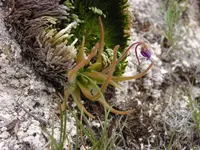
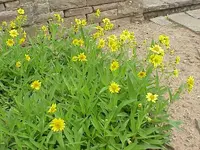
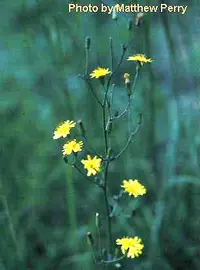
Spearleaf arnica (Arnica longifolia) is a perennial wildflower in the aster family, valued more for naturalistic plantings than for typical home gardens. It forms low clumps of narrow, spear-shaped leaves and sends up upright stems topped with bright yellow, daisy-like blooms. In nature it occurs in montane and subalpine regions of western North America, often in open woods and meadows with cool summers. The plant prefers sun to light shade, consistently moist but well-drained soil, and does not tolerate heat, drought, or heavy competition well. Because it needs stable moisture, cooler conditions, and careful site selection, how to care for spearleaf arnica can be moderately challenging outside its native climate.

Main Plant Requirements

Care Difficulty

Moderate Care

Light Preference

Partial Sun

Water Requirements

Moderate Water

Temperature Preference

Cold Hardy

Hardiness Zone

4–8

Soil Texture

Sandy, Loamy, Rocky

Soil pH

Acidic (5.5–6.5), Slightly acidic (6.5–7.0)

Soil Drainage

Well-drained

Fertilization

Minimal (feed rarely)

Get Personalized Care Plan

Scan your plant to receive care tips personalized for your specific plant

Available on iOS and Android

How to Care for the spearleaf arnica

This mountain wildflower prefers bright, cool conditions with protection from harsh midday sun.

  • Provide 4–6 hours of direct morning sun or light dappled sun under open trees; avoid intense afternoon exposure, especially in low-elevation gardens.
  • Site spearleaf arnica in open woodland edges or east-facing slopes where it receives high light but stays cool and slightly sheltered.
  • Watch foliage for stress: scorched, crispy leaves indicate too much sun and heat, while elongated, floppy stems suggest insufficient light.

This species prefers consistently moist, fast-draining soil, similar to snowmelt-fed mountain meadows.

  • Water when the top 2–4 cm of soil feels barely dry, then soak the root zone deeply while allowing excess to drain away quickly.
  • Use a gritty, humus-rich soil that drains well; standing water or heavy clay increases risk of root rot and yellowing, mushy stems.
  • In hot, dry periods, expect to water more often as leaves wilt or lose turgor; reduce watering in cool fall weather as growth slows.

This plant is adapted to cool summers and cold winters typical of higher elevations.

  • Best active growth occurs around 55–70°F (13–21°C), with flowering favored by cool nights and moderate daytime temperatures.
  • Plants tolerate winter cold down to about -20°F (-29°C) under snow cover, but repeated freeze–thaw with little snow can damage crowns.
  • Arnica longifolia handles brief heat up to 80–85°F (27–29°C) if soil stays moist; prolonged heat and drought cause leaf scorch and summer dormancy.

This species tolerates a wide humidity range and usually does not need special humidity management outdoors.

  • Aim for ambient outdoor humidity around 30–60%, which matches the conditions of its native habitats.
  • Plants tolerate dry air if soil moisture is consistent, but prolonged hot, dry wind can cause leaf edge browning and premature wilting.
  • In unusually dry microclimates, shelter plants from strong wind and use organic mulch to moderate evaporation around spearleaf arnica.

Arnica longifolia prefers loose, fast-draining mineral soils that do not stay wet for long.

  • Use a sandy or gravelly loam with 30–50% coarse sand or small grit to mimic its native mountain habitats.
  • In containers or amended beds, mix roughly 40% compost, 40% coarse sand, and 20% perlite to improve drainage and root aeration.
  • Keep pH slightly acidic to neutral, around 6.0–7.0, avoiding strongly alkaline soils that can limit nutrient uptake.
  • Avoid compacted clay, poorly drained depressions, or sites where water pools after rain, as persistent saturation encourages root and crown rot.

This species can be grown in containers, but it performs best when the pot closely matches its spreading, shallow root system.

  • Use a wide, shallow container to accommodate rhizome spread and prevent dense matting that restricts aeration.
  • Choose a heavy, stable pot material such as clay or ceramic so the container does not tip in wind as foliage elongates.
  • Elevate the pot slightly on feet or blocks so drainage holes stay clear and excess water exits quickly after rain or irrigation.

This mountain perennial is adapted to lean soils, so fertilizer for Arnica longifolia should be light and infrequent.

  • Use a thin layer of compost or a low-strength balanced NPK (around 10-10-10) once in early spring for caring for spearleaf arnica.
  • Dilute liquid fertilizer to 25–50% strength if used on container plants to prevent root burn.
  • Avoid midsummer and late-season feeding, which can push soft growth and reduce stress tolerance.
  • Do not fertilize during winter dormancy; allow the plant to rest in nutrient-poor conditions.

Pruning Arnica longifolia is minimal and focuses on maintaining vigor and tidiness.

  • In late spring to early summer, deadhead spent flower stalks to encourage a neater appearance and possible light rebloom.
  • Remove dead, diseased, or storm-damaged stems at the base using clean, sharp scissors or hand pruners.
  • Thin crowded shoots lightly after flowering to improve air flow and reduce foliar disease risk.
  • Avoid hard cutting back into healthy basal rosettes; keep foliage that continues to photosynthesize.

This species is usually grown in the ground, so care focuses on dividing and transplanting clumps rather than frequent repotting.

  • Transplant or divide Arnica longifolia in early spring or early fall, when temperatures are mild and soil is moist.
  • Look for signs such as dense, congested clumps, declining vigor, or container roots circling drainage holes if potted.
  • Lift clumps gently, tease apart or cut divisions with a clean knife, and replant at the same depth in well-drained soil.
  • Water thoroughly after planting and shade lightly for a few days to reduce root stress and improve establishment.

Arnica longifolia is most commonly propagated by division, with seed used when larger numbers are needed.

  • Divide mature clumps in early spring just as new growth starts, keeping several shoots and roots in each section.
  • Replant divisions into moist, well-drained soil, firm gently, and water to settle air pockets around roots.
  • Sow fresh seed in late fall or early spring; outdoor exposure to cold helps break dormancy.
  • Provide bright light, cool temperatures, and evenly moist (not waterlogged) substrate for steady germination and establishment.

This species is cold hardy through typical temperate winters and usually needs little special winter care.

  • Tolerates frost and snow once established, with foliage naturally dying back to the root crown.
  • Apply a 3–5 cm layer of loose mulch in late fall in colder regions to buffer freeze–thaw cycles around roots.
  • For container plants, move pots into a sheltered, unheated but frost-free or near-freezing area to prevent root damage.

Care Tips

Deep root establishment

During the first growing season, prioritize fewer, deeper waterings and avoid frequent shallow watering so the plant develops a strong taproot that can better tolerate later dry spells in sandy or gravelly soils.

Seasonal mulching strategy

Apply a thin, airy layer of coarse organic mulch (such as pine needles or shredded bark) in late spring to stabilize soil moisture and temperature, but keep it pulled back 5–8 cm from the crown to prevent rot.

Slope and drainage use

Plant on a slight slope, raised berm, or in a rocky outcrop to mimic its native mountain habitat, which improves drainage and reduces the risk of crown and root diseases in wet seasons.

Gentle clump renewal

Every 3–4 years, mark and lift congested clumps in early spring, replant only the healthiest divisions with firm roots, and discard any woody or hollow centers to maintain flowering vigor and stand density.

Winter protection method

In colder or exposed sites, leave some standing stems over winter to trap insulating snow and then cut them back in early spring, a practice that supports long-term Arnica longifolia plant care in marginal climates.

Common Pests and Diseases

Powdery mildew

This disease causes a white to gray, powdery coating on leaves and stems, often during warm days and cool, humid nights. Symptoms include distorted foliage and reduced flowering if the infection is heavy.

Solution

Remove and discard heavily affected leaves to reduce spore load, and avoid overhead watering so foliage dries quickly. Improve air circulation around clumps and, if needed, apply a sulfur or potassium bicarbonate fungicide labeled for ornamentals at the first sign of powdery growth, following Arnica longifolia care instructions for spacing and airflow.

Leaf spot

This disease produces small brown to purplish spots on leaves that can merge into larger blotches, especially in dense or wet plantings. Symptoms include premature yellowing and shedding of foliage from the lower parts of the plant upward.

Solution

Cut off and dispose of spotted leaves and any dead foliage at the base, and keep irrigation directed at the soil rather than the leaves. Increase spacing and airflow, and in persistent cases use a copper-based or chlorothalonil fungicide according to label directions and only when conditions favor spread (prolonged wet weather).

Aphids

These insects cluster on young stems, buds, and the undersides of leaves, sucking sap and causing curling or distortion. This pest also leaves sticky honeydew that can attract sooty mold on nearby surfaces.

Solution

Spray infested shoots with a strong stream of water to knock aphids off the plant, repeating as needed. For heavier infestations, treat tender growth with insecticidal soap or a light horticultural oil, making sure to coat the undersides of leaves and avoiding applications during hot, sunny periods to prevent leaf burn.

Leaf miners

These insects create pale, winding tunnels inside the leaves as larvae feed between the upper and lower leaf surfaces. Symptoms include serpentine trails and patches of thin, discolored tissue that may dry out over time.

Solution

Hand-remove and discard mined leaves as soon as trails are visible to reduce the number of developing larvae. Where damage recurs, encourage natural predators and consider using a systemic insecticide labeled for ornamental perennials, applied according to directions before peak egg-laying periods.

Rust

This disease appears as small yellow spots on upper leaf surfaces and rusty orange to brown pustules on the undersides. Symptoms include gradual leaf yellowing, reduced vigor, and in severe cases premature leaf drop.

Solution

Remove and destroy infected leaves and any plant debris on the soil surface to break the infection cycle. Improve drainage and spacing, avoid wetting foliage late in the day, and if rust persists, apply a suitable fungicide (such as a strobilurin or chlorothalonil product) at labeled intervals when conditions are moist and cool.

Interesting Facts

Mountain stream specialist

This species is tightly associated with moist, gravelly sites along cold mountain streams and seeps in western North America, often forming bands just above the high-water line where few other showy asters tolerate the combination of cold, moving water and shifting substrates.

Long, narrow foliage

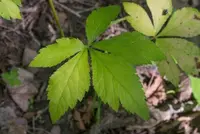
Its very slender, spear-shaped leaves give the plant its common name spearleaf arnica and distinguish it from many other Arnica species that have broader, more oval foliage.

Fire-following behavior

Populations often expand after forest fires in subalpine and montane habitats, taking advantage of increased light and reduced competition on newly opened, nutrient-enriched ground.

Botan icon

Did you know?

Arnica longifolia can form extensive clonal patches by spreading through underground rhizomes, creating large, genetically uniform colonies that may persist for many years along mountain watercourses and open, disturbed slopes.

FAQs about spearleaf arnica

This species spreads gradually by rhizomes and seed but is not usually aggressive in managed gardens. In loose, moist mountain soils it can form patches over time, so give it space and monitor unwanted seedlings.

Grow Healthy Plants with Botan Care

Keep your plants happy and healthy with plant identification, disease detection, and easy care guidance.

Botan plant care app — identify plants on mobile

Explore More Plants