

Dry-summer rest
If you garden in a region with wet summers, grow bulbs in a pot or sharply drained bed and move or cover them so soil stays relatively dry from late spring to early fall to avoid bulb rot during dormancy.

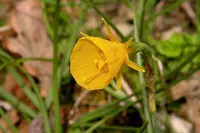
The hoop-petticoat daffodil, Narcissus bulbocodium, is a small bulbous flowering plant known for its flared, funnel-shaped corona that resembles a tiny skirt. It forms low clumps of fine, grass-like leaves and delicate spring blooms in shades of yellow or white.
This species is native to southwestern Europe and North Africa, where it grows in open, often rocky or grassy habitats with good drainage. It is generally easy to grow if given sun, a free-draining soil, and moderate moisture while in active growth.
Gardeners who learn how to care for hoop-petticoat daffodil appreciate its ability to naturalize in suitable climates and return reliably year after year.

Care Difficulty
Easy Care

Light Preference
Full Sun

Water Requirements
Moderate Water

Temperature Preference
Cold Hardy

Hardiness Zone
4–9

Soil Texture
Sandy, Loamy, Rocky

Soil pH
Acidic (5.5–6.5), Slightly acidic (6.5–7.0)

Soil Drainage
Well-drained

Fertilization
Minimal (feed rarely)
Scan your plant to receive care tips personalized for your specific plant
Available on iOS and Android
This small bulb prefers bright locations with cool, gentle sun exposure for strong flowering.
This bulb needs moist but not saturated soil in active growth, then much drier conditions in summer dormancy.
This species prefers cool to mild conditions in winter and spring, then a warm, dry rest in summer.
Humidity is rarely a concern for Narcissus bulbocodium in typical home or outdoor conditions.
Narcissus bulbocodium needs sharply drained, relatively lean soil to keep bulbs dry and healthy.
This species is well suited to container growing when drainage is carefully managed.
This small bulb has modest feeding needs but responds well to light nutrition during active growth.
Narcissus bulbocodium needs minimal pruning, focused mainly on post-flowering clean-up.
This bulb is more often transplanted in the ground than repotted, and it prefers to stay undisturbed for several years.
Narcissus bulbocodium is most often multiplied by bulb division, with seed used mainly by specialists.
This species is generally cold hardy in temperate climates and needs limited winter care once established in the ground.

Plant Health Check
Not sure what's wrong with your plant? Check your plant's health inside the app.
The flower has an exaggerated funnel- or hoop-like corona that is much larger than its short, narrow tepals, a shape that inspired the common name hoop-petticoat daffodil.
This species is native to acidic, often sandy or peaty soils in western Mediterranean regions, where it typically grows in open grasslands and light woodland clearings that stay moist in winter and dry in summer.
In its native habitat it flowers very early in the season, often in late winter, taking advantage of cool, moist conditions and reduced competition from other plants before summer drought sets in.

Botanists recognize several regional forms and subspecies within this species complex, reflecting local adaptation across the western Mediterranean, which is one reason horticulturists sometimes refer to Narcissus bulbocodium care instructions by specific geographic variants such as the Iberian or Moroccan forms.
All parts of this species contain toxic alkaloids. Ingesting bulbs or foliage can cause vomiting, diarrhea, and abdominal pain in pets and humans. Contact with sap may irritate skin. Keep bulbs away from children and animals.
Keep your plants happy and healthy with plant identification, disease detection, and easy care guidance.

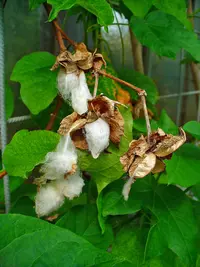
Levant cotton
Gossypium herbaceum
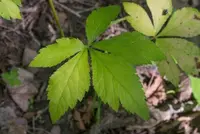
largefruit blacksnakeroot
Sanicula trifoliata
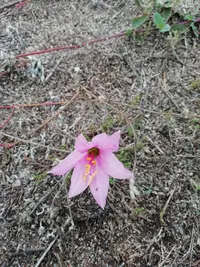
Zephyranthes gracilifolia
Zephyranthes gracilifolia
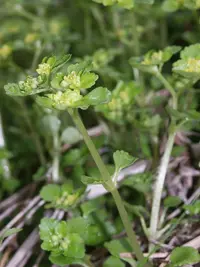
Opposite-leaved Golden Saxifrage
Chrysosplenium oppositifolium
Pinguicula gypsicola
Pinguicula gypsicola
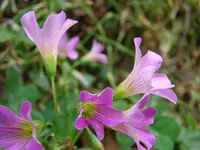
pink woodsorrel
Oxalis debilis
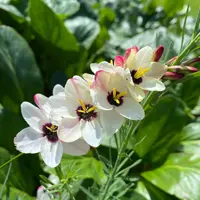
Corn Lily
Ixia 'Spotlight'
rosepink zephyr lily
Zephyranthes minuta