Rydberg's arnica Care (Arnica rydbergii)

Also known as: Subalpine Arnica
Rydberg's arnica

About Rydberg's arnica

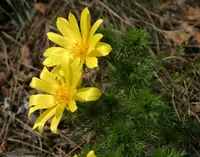
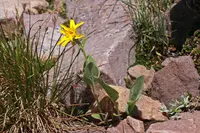
Rydberg's arnica (Arnica rydbergii) is a perennial wildflower in the aster family, known for its bright yellow, daisy-like blooms. It forms low clumps with upright flowering stems and simple, lance-shaped leaves.

This species is native to higher-elevation regions of western North America, where it grows in open meadows, montane forests, and subalpine clearings. It prefers cool summers, well-drained, rocky or sandy soils, and consistent but not waterlogged moisture.

Gardeners who want to care for Rydberg's arnica should know it dislikes heat, humidity, and heavy, compacted soils, which can make it more challenging in lowland gardens.

Main Plant Requirements

Care Difficulty

Moderate Care

Light Preference

Full Sun

Water Requirements

Moderate Water

Temperature Preference

Cold Hardy

Hardiness Zone

3–8

Soil Texture

Sandy, Loamy, Rocky

Soil pH

Acidic (5.5–6.5), Slightly acidic (6.5–7.0)

Soil Drainage

Well-drained

Fertilization

Minimal (feed rarely)

Get Personalized Care Plan

Scan your plant to receive care tips personalized for your specific plant

Available on iOS and Android

How to Care for the Rydberg's arnica

This mountain wildflower prefers bright, cool conditions that avoid intense midday exposure.

  • Provide 4–6 hours of direct morning sun with light shade or filtered light in the afternoon, especially in hotter, lowland sites.
  • In cooler, high-elevation areas, Rydberg's arnica tolerates fuller sun, but watch for leaf scorch, curling, or faded color as signs of excessive light.
  • In summer, increase afternoon shade if foliage bleaches or crisps; in spring and fall, slightly more direct sun supports compact growth and flowering.

This species prefers consistently moist, cool soil that never becomes waterlogged.

  • Allow the top 2–4 cm of soil to dry slightly, then water deeply so moisture reaches the root zone, especially during active growth and flowering.
  • Use well-drained, humus-rich soil; persistent soggy conditions, yellowing leaves, or soft stems indicate overwatering and risk of root rot.
  • During cool spring and fall, watering needs decrease; in hot, dry periods, increase frequency if leaves wilt, droop, or lose firmness by midday.

This plant is adapted to cool, mountain climates and tolerates significant cold once established.

  • Optimal growing temperatures are around 55–70°F (13–21°C), with strong growth in cool summers and mild days.
  • Plants tolerate winter lows to about 0°F (−18°C) when in the ground and well mulched, going dormant and resprouting in spring.
  • Extended heat above 85°F (29°C) can stress Arnica rydbergii; provide afternoon shade and extra moisture during hot spells, and avoid reflected heat from pavement or walls.

This mountain perennial tolerates relatively dry air but grows best in moderate, stable humidity.

  • Aim for 40–60% humidity to mimic upland conditions without creating a persistently damp environment.
  • Leaves that curl inward, crisp leaf edges, or slow bud development signal low humidity stress in Rydberg's arnica.
  • In dry homes, use a pebble tray with water below the pot base or group plants to slightly raise local humidity without misting foliage.

This species prefers a loose, mineral-rich, sharply drained substrate that never stays waterlogged.

  • Use a gritty mix such as 40% sandy loam, 40% coarse sand, and 20% fine gravel or perlite to keep roots aerated.
  • Maintain slightly acidic to neutral pH around 6.0–7.0, avoiding strongly alkaline substrates that limit nutrient availability for Arnica rydbergii.
  • Blend in a light layer of well-decomposed compost, but avoid high-peat mixes that hold excessive moisture around the crown.
  • Avoid compacted clay, dense potting mixes, or sites with standing water; amend heavy soils with coarse sand and small gravel to improve drainage.

This species can be grown in containers if the pot mimics its naturally fast-draining, cool root environment.

  • Choose a deep, relatively narrow pot to give the taproot consistent depth while limiting excess side volume that stays wet.
  • Use a clay or unglazed ceramic container to allow moisture to evaporate through the walls and reduce crown rot risk.
  • Elevate the pot slightly and ensure drainage holes never sit directly in a saucer of water so runoff leaves the root zone quickly.

This mountain perennial needs only light feeding when grown in low-nutrient garden soils.

  • Apply a thin layer of well-rotted compost around clumps in early spring to support steady growth.
  • Use a balanced, low-strength liquid fertilizer (around 10-10-10) at 1/4–1/2 label rate once in mid–late spring.
  • Avoid fertilizing Rydberg's arnica in midsummer heat or during flowering spikes to prevent overly lush, weak growth.
  • Stop all feeding in fall and winter so the plant can enter normal dormancy.

Pruning needs for Arnica rydbergii are minimal and focus on cleanup rather than shaping.

  • Cut back spent flower stalks after blooming to reduce seed drop and keep clumps tidy.
  • Remove dead, damaged, or diseased leaves at the base using clean, sharp scissors or hand pruners.
  • Thin out crowded stems lightly in late fall or early spring to improve air flow and reduce fungal problems.
  • Avoid heavy cutting into healthy green growth, which can reduce next season’s flowering display.

This species is usually grown in the ground, so care focuses on careful transplanting rather than frequent repotting.

  • Plan transplanting for early spring or early fall, when weather is cool and soil moisture is steady.
  • Move clumps only when growth is sparse, flowering declines, or plants are crowded by neighbors.
  • Lift the root mass with a wide, deep spade to keep roots intact and reduce transplant shock.
  • Replant at the same soil level, firm gently, water thoroughly, then shade lightly for a few days while it resettles.

Arnica rydbergii is typically propagated on a small scale by seed or careful division in suitable habitats.

  • Sow fresh seed in late fall or early spring in a cold frame; cool temperatures help break dormancy.
  • Use a gritty, well-drained mix and keep it evenly moist, not waterlogged, until germination occurs.
  • Divide mature clumps in early spring, keeping several shoots and roots together in each section.
  • Replant divisions promptly at original depth, water in well, and maintain consistent moisture while new roots establish.

This native perennial is generally cold hardy in its range and needs little active winter care in the ground.

  • In colder areas, add a light 2–5 cm layer of mulch after the ground cools to buffer freeze–thaw cycles.
  • Allow top growth to die back naturally; old stems help catch insulating snow.
  • For container plants, move pots into a sheltered, unheated area to prevent repeated freeze–thaw stress on roots.

Care Tips

Support on Slopes

On steep or erosion-prone sites, plant into small horizontal terraces or behind short stones so roots anchor better and flower stems stay upright in wind and runoff.

Snow and Mulch Management

In cold regions, let natural snow cover insulate plants but remove heavy, crusted snow in late winter and replace it with a light, gravelly mulch to prevent crown rot during thaw.

Targeted Deadheading

If seed collection is not needed, remove spent flower heads promptly to encourage a tidier clump and reduce volunteer seedlings in nearby beds or paths.

Seed Harvest Timing

For seed saving, cut flower heads when seeds just begin to loosen and show small white tufts, then dry them in a paper bag in a cool, airy place before storage.

Low-Impact Pest Checks

During the growing season, inspect undersides of leaves every 1–2 weeks and wash off aphids or mites with a firm water spray early in the day, which keeps caring for Rydberg's arnica low-input and reduces the need for chemical controls.

Common Pests and Diseases

Leaf spot

This disease causes small brown to dark purple spots on leaves and sometimes on flower stalks, often developing in cool, moist mountain conditions.

Solution

Remove and discard affected leaves, avoid overhead watering, and improve spacing and airflow around plants; in persistently wet sites, a copper-based fungicide used according to label directions can help reduce spread in caring for Rydberg's arnica.

Powdery mildew

This disease appears as a white to gray powdery coating on upper leaf surfaces, which can cause leaf distortion and reduced flowering.

Solution

Increase air circulation, reduce crowding, and avoid high nitrogen fertilization; if needed, apply a sulfur or potassium bicarbonate fungicide during dry weather, making sure foliage dries quickly after treatment.

Aphids

These insects cluster on young stems, buds, and the undersides of leaves, sucking sap and sometimes causing curling foliage and sticky honeydew deposits.

Solution

Spray plants with a firm stream of water to dislodge colonies, encourage natural predators such as lady beetles, and, if populations remain high, use an insecticidal soap or neem oil, thoroughly coating the undersides of leaves.

Leafminers

This pest creates pale, winding tunnels inside leaves, which can reduce photosynthesis and make foliage appear blotched or serpentine-patterned.

Solution

Hand-remove and discard mined leaves early to break the life cycle, and use row covers or fine mesh barriers in small plantings if damage is recurring; in severe cases, apply a systemic insecticide labeled for ornamental perennials, following local regulations.

Rust

This disease produces small orange to brown pustules on the undersides of leaves, with yellowing areas visible on the upper surfaces.

Solution

Remove and destroy infected leaves as soon as symptoms appear, avoid overhead irrigation, and maintain good spacing; in sites with a history of rust, apply a preventative fungicide labeled for rust on herbaceous perennials early in the season.

Interesting Facts

Rocky Mountain specialist

This species is native to high-elevation regions of the central and northern Rocky Mountains, where it typically grows in open subalpine meadows, forest openings, and along trails above roughly 1,800 m elevation.

Short, clustered rhizomes

Arnica rydbergii spreads by short rhizomes (underground stems), which form loose clumps rather than large, dense patches, helping it persist in shallow, rocky mountain soils.

Distinct leaf arrangement

It usually has a pair of opposite leaves on the lower stem and smaller, alternate leaves above, a pattern that helps distinguish it from several other yellow-flowered Arnica species in the same habitats.

Botan icon

Did you know?

This species often flowers relatively late in the high-elevation growing season, so its bright yellow heads can remain one of the more conspicuous nectar sources for alpine and subalpine pollinators after many other wildflowers have finished blooming.

FAQs about Rydberg's arnica

The flowers are rich in nectar and pollen and are very attractive to native bees, small wasps, and some butterflies. Planting several together helps support local pollinators in mountain or cool-summer gardens.

Grow Healthy Plants with Botan Care

Keep your plants happy and healthy with plant identification, disease detection, and easy care guidance.

Botan plant care app — identify plants on mobile

Explore More Plants