

Deep root establishment
During the first growing season, give one thorough soak per week in the absence of rain rather than frequent light watering, to encourage a deep, drought-resilient root system that anchors the tall stems.

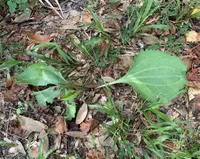
Florida cacalia (Arnoglossum floridanum) is a perennial wildflower in the aster family, native to dry, sandy habitats of central and southern Florida. It typically forms tall, upright stems topped with loose clusters of small, creamy white flower heads.
The foliage is narrow and often somewhat grasslike, giving the plant a light, open look in the garden or landscape. It naturally occurs in scrub, sandhills, and open pine woods, so it is adapted to heat, sun, and periodic drought.
These adaptations make it relatively low-maintenance where conditions are similar, though it can be short-lived or sparse in rich or poorly drained soils. Gardeners who want to care for Florida cacalia should provide sun, well-drained soil, and modest watering once established.

Care Difficulty
Moderate Care

Light Preference
Full Sun

Water Requirements
Moderate Water

Temperature Preference
Warm Climate

Hardiness Zone
9–11

Soil Texture
Sandy, Loamy, Organic-rich

Soil pH
Acidic (5.5–6.5), Slightly acidic (6.5–7.0)

Soil Drainage
Moist but well-drained

Fertilization
Minimal (feed rarely)
Scan your plant to receive care tips personalized for your specific plant
Available on iOS and Android
This native perennial prefers bright, open conditions but tolerates some shade in hot climates.
This species likes consistently moist but not waterlogged soil, especially during active growth.
This plant is adapted to warm, humid climates with mild winters and hot summers.
This species copes well with typical outdoor humidity and usually does not need special adjustment.
Arnoglossum floridanum prefers loose, sandy to loamy soil that drains quickly yet retains some consistent moisture.
This species can be grown in containers, though large, deep pots are needed to support its tall growth.
This native perennial usually needs minimal feeding, especially in reasonably fertile garden soil.
Arnoglossum floridanum benefits from light, targeted pruning rather than frequent cutting.
This species is usually grown in the ground, so focus on careful transplanting rather than frequent repotting.
Arnoglossum floridanum is most often propagated from seed, with division used occasionally for established clumps.
In its native range this plant is fairly cold tolerant and usually needs little specific winter care.

Plant Health Check
Not sure what's wrong with your plant? Check your plant's health inside the app.
This species is naturally restricted to dry, sandy scrub and sandhill habitats in central Florida, often growing among scrub oaks and rosemary where few broad-leaved perennials can tolerate the harsh, nutrient-poor conditions.
It sends up tall stems topped with loose clusters of small, pale flower heads in early to mid summer, providing nectar and pollen during a seasonal gap when many other native wildflowers in its habitat are not in peak bloom.
The plant is endemic to Florida, meaning it occurs nowhere else in the world in the wild, and its distribution is closely tied to remaining fragments of the ancient sand ridges that run through the center of the peninsula.

This species belongs to the aster family (Asteraceae) but has very reduced, inconspicuous ray florets, so its flower heads lack the showy petal-like structures seen in many daisies and sunflowers, giving the inflorescences a more subtle, brushlike appearance.
This species tends to form loose clumps rather than spreading aggressively. It slowly enlarges from the crown, with limited self-seeding. In most garden settings it is not considered invasive, especially when spent flower heads are removed.
Keep your plants happy and healthy with plant identification, disease detection, and easy care guidance.

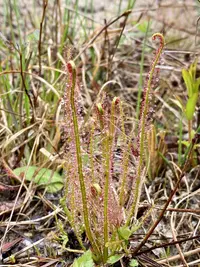
threadleaf sundew
Drosera filiformis var. filiformis
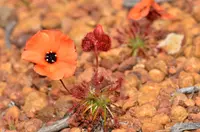
Drosera barbigera
Drosera barbigera
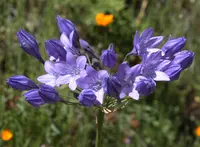
Ithuriel's spear
Triteleia laxa
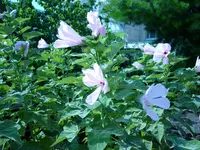
swamp rosemallow
Hibiscus grandiflorus
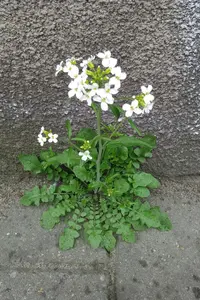
Sand Rock-cress
Arabidopsis arenosa
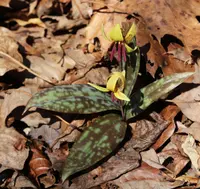
dimpled troutlily
Erythronium umbilicatum
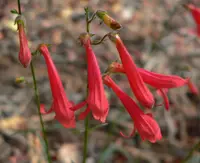
Bridge penstemon
Penstemon rostriflorus
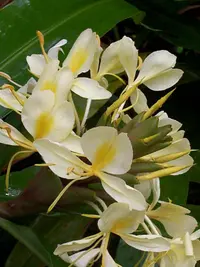
cream garland-lily
Hedychium flavescens