Stake Early
Install sturdy stakes or a discreet wire cage when shoots reach 30–40 cm so the tall flowering stems develop straight and are protected from wind damage later in the season.

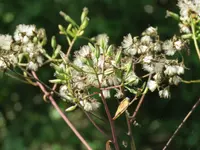
Ovateleaf cacalia (Arnoglossum ovatum) is a hardy, clump-forming perennial native to moist woods, stream edges, and rich lowlands in the eastern United States. It belongs to the aster family and typically grows upright with tall stems, broad ovate leaves, and clusters of small, pale flower heads that attract pollinators.
This species offers a bold, leafy texture and a natural, woodland look rather than showy blooms. It usually establishes reliably in sites that match its native habitat. Gardeners who understand how to care for ovateleaf cacalia will find it easier to maintain, especially in consistently moist soil with partial sun and protection from extreme dryness.

Care Difficulty
Moderate Care

Light Preference
Partial Shade

Water Requirements
Regular Water

Temperature Preference
Cold Hardy

Hardiness Zone
5–9

Soil Texture
Loamy, Silty, Organic-rich

Soil pH
Acidic (5.5–6.5), Slightly acidic (6.5–7.0)

Soil Drainage
Moist but well-drained

Fertilization
Minimal (feed rarely)
Scan your plant to receive care tips personalized for your specific plant
Available on iOS and Android
This tall native perennial prefers bright, indirect light with some protection from harsh afternoon sun.
This species prefers consistently moist, not waterlogged, soil throughout the growing season.
This hardy perennial thrives in moderate outdoor temperatures and tolerates typical seasonal swings.
This species prefers moderate ambient humidity but usually adapts to typical indoor levels.
Arnoglossum ovatum grows best in evenly moist, fertile, and well-aerated soil.
This tall, moisture-loving perennial is only moderately suitable for container growing and needs careful setup for stability and even moisture.
This native perennial generally needs minimal feeding in average garden soil, so focus on soil health rather than heavy fertilizer for ovateleaf cacalia.
Arnoglossum ovatum benefits from modest, well-timed pruning to maintain health and manage height in garden settings.
This tall native is best grown in the ground; transplanting established plants should be done carefully and infrequently.
Arnoglossum ovatum is most often propagated by seed, with some gardeners also using careful division of mature clumps.
This herbaceous perennial is cold hardy through typical US winters and usually needs little special winter care once established.

Plant Health Check
Not sure what's wrong with your plant? Check your plant's health inside the app.
This species can reach 1.5–2 m in height, forming narrow, upright clumps that stand well above typical woodland groundlayer plants and make its late-summer flower stalks highly visible to insects.
It is naturally found in moist to wet, partially shaded habitats such as rich woodland edges, seeps, and streamside forests in the eastern United States, reflecting its adaptation to consistent soil moisture and organic-rich soils.
The tall, branched flower stems carry clusters of small, pale flower heads in mid to late summer, providing nectar and pollen for a variety of native bees, wasps, and butterflies at a time when many woodland species have already finished flowering.
Yes, this tall native wildflower is very attractive to many pollinators. The summer flower clusters draw bees, butterflies, and various beneficial insects, making it useful in meadow plantings, pollinator gardens, and naturalized borders.
Keep your plants happy and healthy with plant identification, disease detection, and easy care guidance.