white fawnlily Care (Erythronium albidum)

Also known as: white trout lily, trout lily
white fawnlily

About white fawnlily

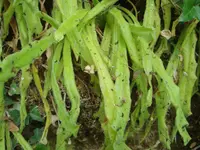
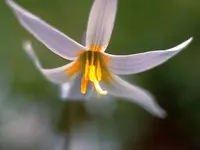
White fawnlily, Erythronium albidum, is a small spring-blooming woodland perennial in the lily family. It grows from a bulb and forms clumps over time. Plants typically show two mottled, gray-green leaves and a single nodding white flower that often ages to pale pink or lavender. The flowers appear early in spring, then the foliage dies back and the plant rests underground until the next year. White fawnlily is native to rich woodlands and stream banks in eastern and central North America. It favors light shade, moist but well-drained soil, and consistent organic matter, which guides how to care for white fawnlily in gardens.

Main Plant Requirements

Care Difficulty

Moderate Care

Light Preference

Partial Shade

Water Requirements

Regular Water

Temperature Preference

Cold Hardy

Hardiness Zone

3–8

Soil Texture

Loamy, Silty, Organic-rich

Soil pH

Acidic (5.5–6.5), Slightly acidic (6.5–7.0)

Soil Drainage

Moist but well-drained

Fertilization

Minimal (feed rarely)

Get Personalized Care Plan

Scan your plant to receive care tips personalized for your specific plant

Available on iOS and Android

How to Care for the white fawnlily

This spring ephemeral prefers cool, shaded woodland light that mimics its native understory habitat.

  • Provide dappled or filtered light with 2–4 hours of gentle morning sun; avoid strong midday and afternoon sun that can scorch leaves.
  • Plant white fawnlily beneath deciduous trees so it receives brighter light in early spring, then deeper shade once the canopy fills in.
  • Too much direct sun causes leaf scorch and early dieback, while deep, constant shade can reduce flowering and weaken bulbs over several seasons.

This bulb prefers consistently moist, cool soil in spring, then drier conditions as it goes dormant.

  • In active growth, keep soil evenly moist but not saturated; allow only the top 1–2 cm to dry before natural rainfall or supplemental watering.
  • Use humus-rich, well-drained soil so water moves through quickly; standing water around Erythronium albidum bulbs increases rot risk.
  • As foliage yellows and dies back, gradually reduce watering so the soil becomes just barely moist; shriveling leaves signal drought stress, mushy bulbs indicate overwatering.

This woodland perennial is cold hardy and adapted to cool spring temperatures followed by summer dormancy.

  • Active growth is best around 50–65°F (10–18°C), matching early spring conditions in many temperate climates.
  • Dormant bulbs tolerate winter lows down to about 0°F (-18°C) under mulch or leaf litter, but exposed bulbs are more vulnerable.
  • Prolonged heat above 85°F (29°C) can shorten the flowering period; provide shade and mulch to keep soil cooler and protect bulbs from temperature swings.

This species handles typical outdoor humidity and rarely needs special adjustment.

  • Target 40–60% humidity, which most temperate outdoor gardens naturally provide in spring.
  • Plants tolerate brief dry air but may show humidity stress as limp, prematurely yellowing leaves in warm, windy weather.
  • In unusually dry sites, increase local humidity with a leaf-mulch layer that slows surface evaporation around the bulbs.

Erythronium albidum prefers moist, humus-rich woodland soil that stays airy yet never waterlogged.

  • Use a loose, loamy mix with high organic matter, such as garden loam blended with leaf mold or composted bark.
  • Ensure fast drainage by avoiding heavy clay; amend dense ground with coarse sand and fine gravel to improve pore space.
  • Aim for slightly acidic to neutral pH, around 6.0–7.0, which supports nutrient availability for the bulbs.
  • Maintain a 5–8 cm layer of leaf mulch to conserve moisture, boost organic content, and protect shallow roots from compaction.

This species can grow in containers, but performance is usually better in the ground.

  • Choose a deep pot so the bulbs can sit at least 7–10 cm below the rim, protected from surface temperature swings.
  • Use a tall, narrow container to keep the cool root zone shaded while foliage receives adequate light above the rim.
  • Select unglazed clay or fabric pots to promote evaporation, reducing the risk of bulbs rotting in overly wet mix.

This woodland bulb needs minimal feeding when grown in rich, humusy soil, so focus on supporting soil health rather than heavy fertilization for white fawnlily.

  • Apply a light top-dressing of compost or leaf mold in late fall or very early spring to mimic natural forest litter.
  • In poorer soils, use a balanced, slow-release fertilizer (around 5-5-5 or 10-10-10) at half strength once in early spring.
  • Avoid feeding after foliage begins to yellow and enter dormancy, as nutrients will not be used efficiently.
  • Do not apply high-nitrogen lawn fertilizers nearby, which can overstimulate foliage at the expense of bulb health.

Erythronium albidum requires almost no structural pruning, but some light cleanup can support plant health and appearance.

  • In late spring, remove only truly dead, diseased, or badly damaged leaves with clean, sharp scissors or pruners.
  • Allow healthy foliage to yellow and wither naturally; it is feeding the bulb for next year’s growth and flowering.
  • Gently deadhead spent flowers if seed is not desired, cutting just above the foliage without injuring emerging leaves.
  • Avoid cutting back green leaves to improve appearance, as this can weaken bulbs and reduce future bloom.

This species is usually grown in the ground, and transplanting Erythronium albidum is done sparingly due to its sensitive bulbs and contractile roots.

  • Transplant clumps only when flowering and vigor decline, or when overcrowding is obvious in early spring or fall.
  • Dig carefully, keeping bulbs and attached roots intact, and replant at the same depth in loose, humus-rich, well-drained soil.
  • Water gently after moving to settle soil around bulbs, then keep evenly moist but not waterlogged while roots re-establish.
  • Avoid frequent lifting or container culture; repeated disturbance increases stress and may reduce survival and flowering.

Multiplying this woodland bulb is most reliable through careful division of established clumps, with seed propagation as a slower option.

  • Divide mature clumps in late summer to early fall, when foliage has fully died back and bulbs are dormant.
  • Lift soil gently, separate offsets from parent bulbs by hand, and replant immediately at original depth in loose, humus-rich soil.
  • For seeds, sow fresh in a shaded outdoor seedbed or pots, keeping substrate evenly moist and well-drained; germination may take months.
  • Allow several years for seedlings to reach flowering size, as this species develops slowly from seed to mature bulb.

This cold-hardy woodland bulb needs little winter care in most temperate climates, as dormant underground bulbs tolerate typical freezes.

  • In colder regions, apply a 5–8 cm layer of leaf mulch over the planting area after soil freezes to buffer temperature swings.
  • Leave mulch in place until early spring growth begins, then gently pull it back to allow shoots to emerge freely.
  • Container-grown bulbs are more exposed; overwinter pots in an unheated garage, cold frame, or against a sheltered wall to reduce freeze–thaw stress.

Care Tips

Mark Dormant Spots

After the foliage dies back, mark clump locations with small, discreet tags so you avoid disturbing the shallow bulbs when digging or mulching nearby beds.

Use Leafy Mulch

Apply a thin layer of shredded leaves or leaf mold in autumn to mimic woodland litter, which helps maintain cool, moist conditions and slowly improves the soil without heavy fertilization.

Gentle Naturalizing

Allow seed pods to mature and drop in place, and avoid raking this area heavily, so the colony can slowly expand and form a natural drift over several years when growing white fawnlily.

Careful Division Timing

If clumps become crowded, lift and divide bulbs only when the foliage has yellowed and is nearly gone, then replant immediately at the same depth to minimize transplant shock.

Protect From Foot Traffic

Place stepping stones or edging near plantings in high-use areas to prevent soil compaction and accidental treading on emerging leaves in early spring.

Common Pests and Diseases

Slugs and snails

These pests commonly graze on tender leaves and flowers in damp woodland settings, leaving ragged holes and slime trails. Symptoms include shredded foliage, missing petals, and damage concentrated at night or after rain.

Solution

Hand-pick slugs and snails in the evening, use iron phosphate bait placed away from children and pets, and reduce hiding spots by removing dense debris around plant clumps. Light rough mulch, such as crushed eggshells or sharp grit, can create a barrier and protect emerging shoots during early spring while growing white fawnlily.

Erythronium mosaic virus

This disease causes irregular light and dark streaks or mottling on the leaves and may stunt growth or reduce flowering over time. Symptoms include distorted or weak foliage and clumps that decline gradually.

Solution

Immediately remove and destroy any plants showing clear mosaic patterns to prevent spread. Control sap-sucking insects such as aphids nearby, avoid reusing tools between healthy and suspect clumps without cleaning, and replant only from healthy stock in that area.

Botrytis leaf blight

This disease appears in cool, wet periods as brown water-soaked spots on leaves that may expand and develop gray, fuzzy mold. Symptoms include premature yellowing and collapse of foliage, especially in crowded, poorly ventilated clumps.

Solution

Promptly remove and discard affected leaves and any plant debris around the bulbs, and thin overcrowded clumps to improve air movement. Avoid overhead watering in cool weather, water at soil level in the morning, and consider a labeled fungicide only if cultural steps do not reduce spread.

Basal bulb rot

This disease affects the bulb base, leading to soft, discolored tissue, poor emergence in spring, and sudden collapse of young shoots. Symptoms include failure of previously vigorous clumps and bulbs that feel mushy or emit a sour smell when lifted.

Solution

Discard all soft or discolored bulbs and avoid replanting in the same poorly drained spot for several years. Improve drainage with raised beds or coarse grit, plant bulbs in loose, humus-rich but well-drained soil, and avoid excessive watering during summer dormancy.

Leaf miners

These insects tunnel within the leaf tissue, creating winding, pale trails that can reduce photosynthesis. Symptoms include serpentine lines, blistered patches, and cosmetic damage on the broad leaves in spring.

Solution

Remove and dispose of mined leaves as soon as trails appear to reduce larval numbers and prevent new generations. Encourage natural predators, avoid broad-spectrum insecticides that harm beneficial insects, and keep nearby weeds low to reduce alternative host plants.

Interesting Facts

Spring ephemeral strategy

This species is a classic spring ephemeral, completing most of its growth and flowering before tree canopies fully leaf out, then going dormant by early summer. This timing allows it to exploit high early-spring light levels and cool soil conditions in deciduous forests.

Ant-based seed dispersal

Its seeds carry small, nutrient-rich attachments called elaiosomes that attract ants. Ants carry the seeds back to their nests, eat the elaiosomes, and discard the seeds in nutrient-rich soil, a dispersal strategy known as myrmecochory.

Clonal leaf carpets

White fawnlily commonly forms dense colonies through slow clonal spread of its underground bulbs. Over time, genetically identical plants can create extensive spring carpets of mottled leaves and nodding white flowers across suitable woodland sites.

Botan icon

Did you know?

Paleobotanical and biogeographic evidence suggests that this and related dogtooth violet species are remnants of a once more widespread woodland flora, making modern populations important indicators of long-term habitat continuity in parts of eastern and central North America.

FAQs about white fawnlily

This woodland bulb blooms in early to mid spring, often just as tree canopies start leafing out. Individual flowers usually last 1–2 weeks, but a clump can appear showy for about 2–3 weeks total.

Grow Healthy Plants with Botan Care

Keep your plants happy and healthy with plant identification, disease detection, and easy care guidance.

Botan plant care app — identify plants on mobile

Explore More Plants