Coastal Wind Exposure
Site plants where they receive steady air movement, as mild coastal wind naturally shapes compact, silvery foliage and reduces fungal problems compared with sheltered, stagnant corners.

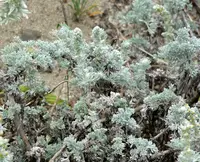
Beach wormwood (Artemisia pycnocephala) is a low, mounding perennial herb with fine, silvery-gray foliage and a dense, bushy growth habit. The leaves are soft and aromatic when touched.
It is native to coastal dunes and bluffs along the Pacific coast of North America, where it grows in windy, salty, and sandy conditions. These natural habitats make it a good choice for dry, exposed sites.
The plant is generally easy to maintain if given full sun, sharply drained soil, and low to moderate moisture. Understanding how to care for beach wormwood starts with recognizing its strong tolerance for drought and poor soils, but low tolerance for heavy, wet ground.

Care Difficulty
Easy Care

Light Preference
Full Sun

Water Requirements
Low Water

Temperature Preference
Cold Hardy

Hardiness Zone
7–10

Soil Texture
Sandy, Loamy, Rocky

Soil pH
Slightly acidic (6.5–7.0), Neutral (7.0)

Soil Drainage
Well-drained

Fertilization
Minimal (feed rarely)
Scan your plant to receive care tips personalized for your specific plant
Available on iOS and Android
This coastal perennial prefers bright, open conditions similar to its native dunes.
This species is drought-tolerant and prefers slightly dry conditions over constant moisture.
This coastal shrub handles cool, windy conditions but dislikes extreme heat and humidity.
This coastal species handles low humidity well and rarely needs special humidity control.
This plant prefers lean, very free-draining, sandy mineral soil that mimics coastal dunes.
This species can be grown in containers if the setup keeps roots dry and well aerated.
This coastal perennial is adapted to poor soils, so beach wormwood needs only light, infrequent feeding in containers or very depleted ground.
Pruning Artemisia pycnocephala keeps the mound compact and prevents woody, open centers.
This species is more often transplanted in the landscape than kept long-term in containers.
Artemisia pycnocephala is commonly propagated by stem cuttings and division for consistent foliage quality.
This coastal shrub is generally cold hardy in mild, well-drained sites and needs minimal winter attention in the ground.

Plant Health Check
Not sure what's wrong with your plant? Check your plant's health inside the app.
This species naturally grows in a narrow band of coastal dunes and bluffs from Oregon to California, where it benefits from cool marine air and frequent fog that reduces water loss in its finely divided leaves.
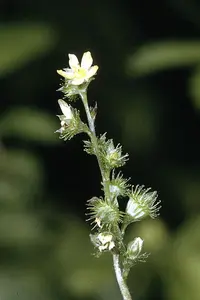
Its species name pycnocephala means dense-headed and refers to the many small yellow flower heads packed tightly in clusters at the tips of the stems, an adaptation that increases visibility to pollinating insects in windy coastal habitats.
The silvery, finely dissected foliage and low, mounded growth habit help the plant tolerate strong winds and airborne salt typical of Pacific coastal environments without significant leaf burn.

Some coastal populations show subtle differences in leaf shape, hairiness, and plant height along their north–south range, and these local variations are studied as examples of how a single species can adjust morphologically to different microclimates within a relatively narrow coastal strip.
This species is semi-evergreen in mild climates, often keeping much of its silvery foliage through winter. In colder regions it can partially die back, then resprout from the base as temperatures warm in spring.
Keep your plants happy and healthy with plant identification, disease detection, and easy care guidance.