pale vanilla lily Care (Arthropodium milleflorum)

pale vanilla lily

About pale vanilla lily

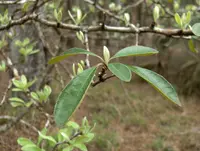
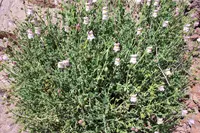
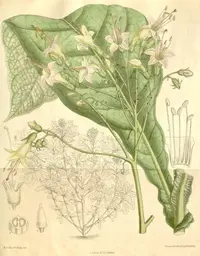
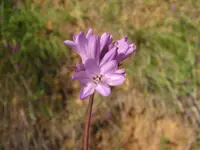
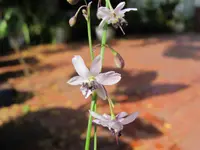
Pale vanilla lily, Arthropodium milleflorum, is a small, clump-forming perennial from eastern Australia. It belongs to the asparagus family and grows from fleshy roots. Slender arching stems carry many small, star-shaped white flowers with a light vanilla fragrance, giving the plant a delicate, airy look above grassy foliage. In nature it occurs in open forests and woodlands, often in dappled light. It is generally undemanding if given free-draining soil and moderate, regular moisture. These traits make it a flexible choice for mixed borders, native gardens, and low-key container displays, especially for gardeners who want to learn how to care for pale vanilla lily without complex routines.

Main Plant Requirements

Care Difficulty

Easy Care

Light Preference

Partial Shade

Water Requirements

Moderate Water

Temperature Preference

Cool Climate

Hardiness Zone

8–11

Soil Texture

Sandy, Loamy, Organic-rich

Soil pH

Acidic (5.5–6.5), Slightly acidic (6.5–7.0)

Soil Drainage

Moist but well-drained

Fertilization

Minimal (feed rarely)

Get Personalized Care Plan

Scan your plant to receive care tips personalized for your specific plant

Available on iOS and Android

How to Care for the pale vanilla lily

This woodland perennial prefers bright but gentle light that mimics dappled forest conditions.

  • Provide 3–5 hours of soft morning sun with light shade or filtered light for the rest of the day, especially in warmer regions.
  • Pale vanilla lily tolerates partial to full shade, but in deep shade flowering is reduced and stems may stretch and flop.
  • Avoid harsh afternoon sun, which can scorch leaves and dry soil quickly; offer extra shade in summer if foliage looks bleached or crispy.

Moist, well-drained soil suits Arthropodium milleflorum best, without prolonged drying or soaking.

  • Water when the top 3–5 cm of soil feel dry, aiming for evenly moist soil that never becomes waterlogged.
  • Yellowing, soft leaves and a sour smell indicate overwatering or poor drainage; limp, browning leaf tips signal underwatering.
  • Reduce watering in cooler months or dormancy, but do not allow soil to stay bone dry for long, especially in sandy or raised beds.

This species prefers mild, frost-free conditions but tolerates short cool spells once established.

  • Aim for 60–77°F (16–25°C) during active growth, which supports steady foliage and reliable flowering.
  • Mature clumps handle brief drops to around 25°F (-4°C), but young plants benefit from protection such as mulch during cold snaps.
  • In hotter climates, plants cope with 86–95°F (30–35°C) if shaded from intense afternoon sun and soil moisture is maintained.

This species tolerates typical indoor humidity but grows best in slightly moist air.

  • Aim for 40–60% humidity for steady growth of pale vanilla lily foliage.
  • Leaves curling at edges, slow growth, or browning tips can indicate air that is too dry.
  • Increase humidity locally with a nearby pebble tray or grouping plants, rather than misting heavily.

Arthropodium milleflorum prefers loose, well-aerated soil that drains quickly yet holds some moisture.

  • Use a light loam or sandy loam with 30–40% compost to support roots and moderate moisture.
  • Improve drainage and aeration with additions of coarse sand and fine bark or perlite mixed through the profile.
  • Target slightly acidic to neutral pH around 6.0–7.0, avoiding strongly alkaline conditions that restrict nutrient uptake.
  • Do not use compacted clay or peat-heavy mixes that stay wet for long periods and suffocate roots.

This species is suitable for container growing when the pot supports its fibrous, spreading roots.

  • Choose a wide, shallow to medium-depth pot so rhizomes can spread without forcing the mix to stay constantly wet.
  • Select a heavier material such as ceramic if the foliage becomes arching, to prevent the container from tipping in wind.
  • Raise the pot slightly on feet or pot risers to help drainage holes clear water quickly after irrigation.

Arthropodium milleflorum grows well in modest soils and benefits from light feeding rather than heavy fertilization.

  • Use a balanced, dilute liquid fertilizer (around 10-10-10) at 1/2 strength during active growth in spring and early summer.
  • Apply every 4–6 weeks for container plants; in ground, one light application or a top-dress of compost is usually enough.
  • Avoid feeding in late fall and winter when growth slows or foliage dies back.
  • Rinse foliage if fertilizer splashes on leaves to reduce salt buildup and tip burn.

Pruning needs for Arthropodium milleflorum are minimal and focus on hygiene and maintaining a tidy clump.

  • Trim off spent flower stems at the base after blooming to keep the plant neat and encourage fresh foliage.
  • Remove yellow, dead, or damaged leaves with clean, sharp scissors or hand pruners to reduce disease risk.
  • Thin out congested fans or crowded shoots in late winter or early spring to maintain airflow and clump shape.
  • Avoid cutting back healthy green foliage hard, as this can reduce flowering performance the following season.

This species is most often grown in the ground, so management focuses on dividing and transplanting mature clumps rather than frequent repotting.

  • Transplant or divide every 3–4 years in late winter or very early spring, when growth is just restarting.
  • Look for tight, congested clumps, reduced flowering, or roots circling a pot as indicators that moving is needed.
  • Lift clumps carefully, tease apart sections with several shoots and healthy roots, and replant at the same depth in well-drained soil.
  • Water thoroughly after transplanting, then keep soil slightly moist for 2–3 weeks to limit root stress and support re-establishment.

Arthropodium milleflorum is most commonly propagated by division, with seed used mainly for larger-scale or specialist growing.

  • Divide established clumps in late winter or early spring, when the plant is just emerging from dormancy.
  • Lift the clump and separate into sections, each with several growing points and firm, white roots.
  • Replant divisions promptly into moist, well-drained soil or a free-draining potting mix, keeping crowns at soil level.
  • For seed, sow fresh seed in autumn or early spring, keep lightly moist, and provide cool to mild conditions for germination.

In mild climates, pale vanilla lily is generally cold hardy and needs only light winter attention once established.

  • Tolerates light frosts, but young or newly planted clumps benefit from extra protection below about 25°F.
  • Apply a 5–8 cm layer of mulch around, but not on top of, the crown to insulate roots and moderate soil temperature.
  • In colder regions or for container plants, move pots to a sheltered, frost-free spot with bright, indirect light over winter.

Care Tips

Mulch The Clump

Apply a 3–5 cm layer of fine bark or leaf mulch around the plant in spring, keeping it a few cm away from the crown, to keep roots cool, suppress weeds, and maintain even soil moisture for growing pale vanilla lily.

Divide For Vigor

Every 3–4 years, lift and divide crowded clumps in late winter or very early spring, replanting healthy, firm rhizomes at the same depth to refresh flowering and prevent decline.

Protect From Foot Traffic

Site plants away from paths and place discreet edging or stones around the clump so the arching, delicate flowering stems are not snapped by people or pets brushing past.

Light Leaf Litter

Allow a thin layer of deciduous leaf litter to remain over the root zone through winter, then gently break it up in early spring to feed soil life while still allowing new shoots to emerge easily.

Monitor For Slugs

Inspect new shoots and tender flower stems after rain and use physical barriers or hand-picking at dusk to prevent slug and snail damage that can distort growth and reduce flowering when caring for pale vanilla lily.

Common Pests and Diseases

Slugs and snails

This pest is strongly attracted to the soft, strappy foliage and young flower stems, especially in damp, shaded positions. Symptoms include irregular chew marks, missing sections of leaves, and slime trails on or around the plant.

Solution

Hand-pick at night or early morning, use beer traps or iron phosphate pellets, and reduce hiding spots such as dense ground debris. Light mulching with coarse materials (grit, crushed shells) and keeping the crown slightly raised improves Arthropodium milleflorum care in slug-prone beds.

Grasshoppers

These insects often feed on open, sunny clumps, leaving jagged holes or torn edges on leaves and flower stems. Damage is usually cosmetic but can be extensive during outbreaks.

Solution

Encourage natural predators by maintaining plant diversity, and physically remove larger grasshoppers where feasible. In small gardens, lightweight insect netting over the clump during peak grasshopper season can protect new growth without chemicals.

Mealybugs

This pest occasionally settles in leaf bases and along flower stems, forming white, cottony clusters and producing sticky honeydew. Symptoms include distorted new growth and sooty mold developing on the sugary deposits.

Solution

Isolate affected plants, then dab visible insects with cotton swabs dipped in isopropyl alcohol or wash foliage with a mild soapy water spray, focusing on leaf bases. Repeat weekly until clear, and avoid overfertilizing, which encourages soft, mealybug-prone growth.

Leaf spot

This disease can appear during humid or wet periods, with symptoms including small brown or purple spots on leaves that may merge into larger blotches. Severely affected foliage may yellow and collapse early.

Solution

Remove and discard affected leaves to reduce fungal spores, and improve air movement by thinning overcrowded clumps or nearby plants. Water at soil level in the morning rather than overhead in the evening, and if the problem persists year to year, apply a labeled ornamental fungicide in early spring as new foliage emerges.

Interesting Facts

Delicate vanilla fragrance

The flowers release a light vanilla-like scent, especially in the evening, which helps attract small nocturnal insects for pollination.

Forest-edge specialist

This species is naturally found in open forest and woodland edges in eastern Australia, where it grows among leaf litter and benefits from dappled light and well-drained, humus-rich soil.

Resilient clumping habit

It forms loose clumps from fleshy, tuber-like roots that store water and nutrients, allowing the plant to retreat in adverse conditions and reshoot when conditions improve, which is important for Arthropodium milleflorum care in variable climates.

Botan icon

Did you know?

Indigenous Australians traditionally recognized this plant as a seasonal indicator, noting its flowering flush in spring and early summer as a sign of warming weather and shifting food availability in the surrounding ecosystem.

FAQs about pale vanilla lily

Lack of flowers often comes from too much shade, nutrient-poor or very dry soil, or plants that are still immature. Ensure steady moisture, modest fertilizer, and a spot with bright, filtered light to support flowering.

Grow Healthy Plants with Botan Care

Keep your plants happy and healthy with plant identification, disease detection, and easy care guidance.

Botan plant care app — identify plants on mobile

Explore More Plants