sandfood Care (Pholisma sonorae)

sandfood

About sandfood

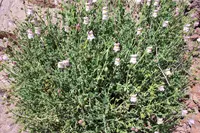
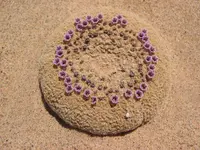
Sandfood (Pholisma sonorae) is a rare, stemless desert wildflower from the Sonoran Desert, known for its low, rounded, grayish body partly buried in sand. It is a root parasite that taps into nearby host plants underground, so it does not grow well in typical potting setups or standard garden beds.

Small pale to purple flowers appear close to the sand surface, giving it a very unusual, almost otherworldly look. Because of its dependence on host roots and shifting sandy soils, it is considered very challenging to cultivate, and most plant owners will not be able to care for sandfood successfully.

In nature it favors open, sunny, very dry sites with loose, well-drained sand and minimal organic matter.

Main Plant Requirements

Care Difficulty

Hard Care

Light Preference

Full Sun

Water Requirements

Low Water

Temperature Preference

Warm Climate

Hardiness Zone

9–11

Soil Texture

Sandy, Rocky

Soil pH

Neutral (7.0), Slightly alkaline (7.0–7.5)

Soil Drainage

Well-drained

Fertilization

Minimal (feed rarely)

Get Personalized Care Plan

Scan your plant to receive care tips personalized for your specific plant

Available on iOS and Android

How to Care for the sandfood

This desert parasite needs strong light that mimics open, sunny dune conditions.

  • Provide 6–10 hours of direct sun daily, ideally full exposure from mid-morning to late afternoon in open, sandy sites.
  • Tolerates very light partial shade, but prolonged shade causes weak growth and reduced flowering in sandfood.
  • In summer, monitor for heat scorch on exposed dunes; in cultivation, avoid reflective surfaces that intensify midday sun and ensure unobstructed winter sun.

This species is highly drought-adapted and relies on a host plant, so soil around it must stay very dry most of the time.

  • Allow sandy soil to dry completely to well below 10–15 cm depth between any supplemental water, especially outside its natural rain season.
  • During active growth after natural rainfall, give only light, infrequent watering and ensure extremely rapid drainage with no pooling around the host roots.
  • Reduce or stop watering in hot, dry months when the plant is dormant; soft, collapsing tissue or a sour smell often indicates overwatering of Pholisma sonorae.

This desert plant prefers hot, dry conditions with large day–night temperature swings.

  • Optimal growth occurs around 75–95°F (24–35°C), matching warm desert seasons with strong sun and low humidity.
  • Tolerates short spikes up to about 105–110°F (41–43°C) if the root zone stays shaded and soil is very well drained.
  • Avoid frost; damage typically occurs below 32°F (0°C), so protect from freezing nights and prolonged cool, wet periods that increase rot risk.

This desert root parasite grows best in very dry air and does not need added humidity.

  • Target 10–30% relative humidity, similar to hot interior desert air, and prioritize strong light and proper host availability over moisture in the air.
  • The plant tolerates extremely dry indoor air without stress, so sandfood rarely shows humidity-related problems if temperature and light are correct.
  • True humidity stress appears as unexpected surface mold on surrounding sand or host roots, which signals excess moisture; increase airflow and reduce any nearby water sources.

This species relies on host roots in deep, loose desert sand, so any artificial substrate must copy that structure as closely as possible.

  • Use a very loose, deep, sandy mix such as 70–80% coarse quartz sand with 20–30% pumice or perlite to keep pore spaces open.
  • Ensure drainage is extremely fast; water should pass through immediately with no pooling, imitating shifting dune sand around host roots.
  • Aim for slightly alkaline to neutral conditions, roughly pH 7.0–8.0, avoiding peat-heavy mixes that acidify and retain excess water.
  • Avoid fine silt, clay, and high-organic compost, which compact, stay wet, limit aeration, and can quickly rot Pholisma sonorae attachment tissue.

This plant is only marginally suitable for containers and is typically grown in research or specialty collections rather than casual cultivation.

  • Use a tall, heavy container so roots and host plants can grow deeply in sand without the pot tipping as the mass shifts.
  • Drill or select multiple large drainage holes so water exits within seconds, then tilt the pot briefly to remove any trapped runoff from the base tray.
  • Fill the pot with a thick lower layer of very coarse sand or fine gravel to keep the deepest root zone dry and prevent anaerobic pockets forming around host roots.

This desert parasite is usually grown without added fertilizer, and feeding is more likely to harm than help.

Pholisma sonorae needs virtually no pruning because it stays low and has minimal exposed growth.

Cultivation focuses on careful transplanting with its host rather than routine repotting.

  • Transplant only when the host plant outgrows its container or site, typically every several years at most.
  • Choose warm, stable weather so disturbed roots re-establish quickly and avoid transplanting in peak summer heat or winter.
  • Move a generous root ball that includes both host roots and the attached sandfood haustoria to reduce stress.
  • Keep the new planting depth similar, water lightly, then allow the soil to dry between irrigation events.

Propagation of Pholisma sonorae is advanced and rarely successful outside research or conservation settings.

This desert species tolerates mild, dry winters in its native range and usually needs no special winter care.

Care Tips

Sand stabilization

Place a ring of coarse, clean sand around the plant’s crown to reduce wind erosion and keep the underground stems protected from shifting dunes in container or trough culture.

Host plant management

Maintain a small, actively growing host plant (such as a drought-tolerant desert shrub or grass) in the same container and lightly root-prune or replace it every 2–3 years so it continues to support the parasite without overcrowding the pot.

Deep container setup

Use a tall, narrow container filled mostly with dry, mineral sand and only a thin lower layer of amended substrate for the host roots, so the sandfood’s subterranean stems can develop at the correct depth and stay dry near the surface.

Controlled disturbance

Gently loosen and re-level the top 1–2 cm of sand once a year to prevent crusting, which improves air exchange around the crown without disturbing the deeper haustorial connections to the host roots.

Seasonal resting period

After flowering, gradually reduce irrigation and let the sand dry for several weeks to simulate a desert dormancy, which supports long-term vigor when growing sandfood under cultivation.

Common Pests and Diseases

Parasitic host decline

Symptoms include yellowing and thinning of the host shrub’s foliage near sandfood clumps, followed by reduced vigor or dieback of the sandfood flowering head. This disease-like decline results from chronic overharvest or damage to the underground stem and its connections to host roots.

Solution

Limit disturbance and harvesting around plants so the underground stem and haustoria (specialized feeding roots) remain intact, and avoid compacting or repeatedly digging the surrounding sand. If a host shrub shows stress, reduce additional stressors such as pruning, trampling, or irrigation changes, and allow the area to recover undisturbed so the sandfood can re-establish stable host connections.

Soil-borne fungal rot

This disease develops when sand remains abnormally wet, leading to soft, discolored, and sometimes foul-smelling tissue in the buried stem. Symptoms include sudden collapse or failure of the above-ground flowering head to emerge in season.

Solution

Ensure the plant grows in very fast-draining, deep sand and avoid any supplemental watering that keeps the sand moist for long periods. In cultivation, use a gritty, sharply draining mineral mix, water very sparingly, and discard any soft or rotting underground material since chemical treatments are rarely effective for this species.

Sap-sucking insects on host

These insects, such as aphids or scale, attack the host shrub’s young stems and leaves, weakening it and indirectly reducing the vigor of attached sandfood plants. This pest pressure can lead to smaller or fewer sandfood flower heads and slow decline over seasons.

Solution

Inspect host shrubs regularly during warm months and treat localized infestations by pruning heavily infested twigs and washing remaining foliage with a strong stream of water. If needed, apply insecticidal soap or horticultural oil only to the host foliage according to label directions, taking care not to saturate the surrounding sand where the sandfood feeding structures are located.

Interesting Facts

Parasitic desert specialist

This species is a non-photosynthetic root parasite that taps into the roots of desert shrubs such as Psorothamnus and Ambrosia instead of producing its own energy from sunlight.

Sand-buried growth form

Most of the plant lives hidden beneath loose desert sand, with only a rounded, scaly inflorescence head emerging at the surface during its blooming period.

Pollen-covered “sand truffle”

The compact flowering head is densely covered with tiny tubular flowers and abundant pale pollen, giving it a distinctive grayish to purplish, powdery appearance that has led to common names like sand truffle and desert Christmas tree.

Botan icon

Did you know?

Pholisma sonorae is restricted to the Sonoran Desert of the southwestern United States and northwestern Mexico and is considered uncommon, with scattered, localized populations that make field encounters relatively rare even within suitable habitat.

FAQs about sandfood

Container culture is extremely difficult. This species relies on deep, shifting desert sand and parasitism on host shrubs. Pots rarely provide the depth, temperature swings, or host roots needed, so long‑term survival in containers is unlikely.

Grow Healthy Plants with Botan Care

Keep your plants happy and healthy with plant identification, disease detection, and easy care guidance.

Botan plant care app — identify plants on mobile

Explore More Plants