

Mark Dormant Sites
Flag or tag the exact spots where rosettes grow before they go dormant, so you avoid disturbing the tuberous roots when weeding or cultivating nearby.

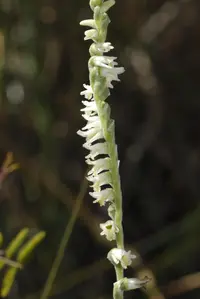
Spring lady's tresses, Spiranthes vernalis, is a small terrestrial orchid native to eastern and central North America. It often grows in open woods, meadows, and grassy clearings with moderately moist soils.
Plants form slender, upright spikes with tiny white flowers arranged in a gentle spiral, giving the genus its name. Foliage is low and often partly hidden by surrounding grasses.
This species can be challenging in cultivation because it dislikes root disturbance, needs consistent but not waterlogged moisture, and prefers well-drained, slightly acidic soils. Understanding how to care for Spring lady's tresses starts with mimicking its natural, lightly sunny, meadow-like conditions.

Care Difficulty
Hard Care

Light Preference
Partial Sun

Water Requirements
Regular Water

Temperature Preference
Cold Hardy

Hardiness Zone
5–9

Soil Texture
Sandy, Loamy, Silty

Soil pH
Acidic (5.5–6.5), Slightly acidic (6.5–7.0)

Soil Drainage
Moist but well-drained

Fertilization
Minimal (feed rarely)
Scan your plant to receive care tips personalized for your specific plant
Available on iOS and Android
This North American orchid prefers bright, gentle light that mimics open meadows or savannas.
This species prefers consistently moist but never waterlogged soil, especially during active growth and flowering.
This terrestrial orchid is adapted to temperate climates with cool winters and warm, not extreme, summers.
This species prefers moderately moist air but usually adapts to typical outdoor humidity.
This terrestrial orchid needs loose, moist, well-aerated soil that never stays waterlogged.
This species can be grown in containers with careful moisture and stability management.
This native terrestrial orchid usually grows well in lean soils and benefits from only light feeding in cultivation.
Pruning needs for Spiranthes vernalis are minimal and mainly hygienic.
This orchid is more often transplanted in the ground than repotted, as it prefers stable, undisturbed conditions.
Spiranthes vernalis is not commonly propagated at home, as both seed and vegetative methods are slow and specialized.
This species is generally cold hardy in its native range and needs little special winter care once established.

Plant Health Check
Not sure what's wrong with your plant? Check your plant's health inside the app.
This species is one of the earliest North American Spiranthes to flower, often sending up its flowering spike in late spring when many other native orchids are still in vegetative growth.
Its tiny white flowers are arranged in a tight, slightly one-sided spiral around the stem, a characteristic pattern that helps distinguish it from later-blooming lookalikes in the same genus.
In parts of its range, this orchid often appears in moderately disturbed, open habitats like old fields, roadside rights-of-way, and mowed grassy areas, rather than in dense, undisturbed forests.

This orchid depends on a specific relationship with soil fungi (mycorrhizae) for successful germination and early growth, meaning its dust-like seeds only develop into plants when they encounter compatible fungal partners underground.
This species usually flowers in late spring to early summer, sending up a slender spike lined with small, white, spiraling blossoms. Individual plants may not bloom every year if stressed or recently transplanted.
Keep your plants happy and healthy with plant identification, disease detection, and easy care guidance.

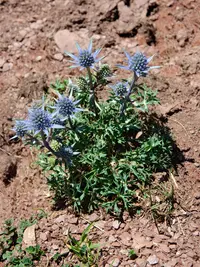
Pyrenean Eryngo
Eryngium bourgatii
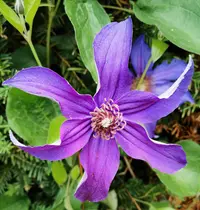
Solitary Virgin's-bower
Clematis integrifolia
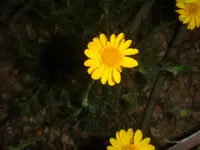
bristleleaf pricklyleaf
Thymophylla tenuiloba
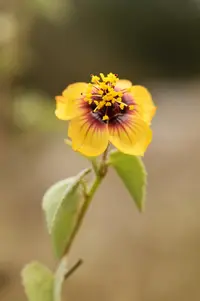
anglestem Indian mallow
Abutilon trisulcatum
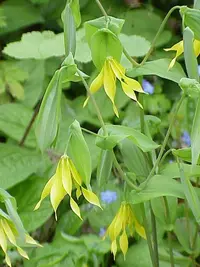
largeflower bellwort
Uvularia grandiflora
glossy shower
Senna surattensis
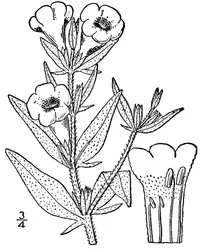
Skinner's false foxglove
Agalinis skinneriana
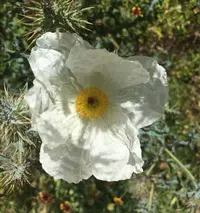
bluestem pricklypoppy
Argemone albiflora