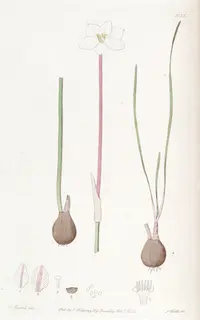
ookow Care (Dichelostemma congestum)

Also known as: fork-toothed ookow, field cluster-lily, clustered lily, congested snake lily
ookow

About ookow

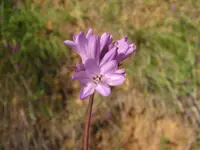
Ookow, Dichelostemma congestum, is a small bulb-forming perennial native to grasslands and open woodlands of western North America, especially California and Oregon. It produces slender, upright stems topped with tight clusters of purple, tubular flowers above narrow, grasslike leaves. The plant grows from a dormant bulb, emerging in cool, moist seasons and dying back in dry summer conditions. Its adaptation to seasonal drought makes it relatively easy in well-drained soil and low to moderate water. Those learning how to care for ookow should note its preference for full sun to light shade and soils that do not stay wet for long periods.

Main Plant Requirements

Care Difficulty

Easy Care

Light Preference

Full Sun

Water Requirements

Low Water

Temperature Preference

Cold Hardy

Hardiness Zone

6–10

Soil Texture

Sandy, Loamy, Rocky

Soil pH

Slightly acidic (6.5–7.0), Neutral (7.0)

Soil Drainage

Well-drained

Fertilization

Minimal (feed rarely)

Get Personalized Care Plan

Scan your plant to receive care tips personalized for your specific plant

Available on iOS and Android

How to Care for the ookow

Dichelostemma congestum prefers bright, open conditions that mimic its native grassland habitats.

  • Provide 6–8 hours of direct sun daily, ideally with morning sun and light afternoon shade in hotter inland areas to prevent leaf scorch.
  • In coastal or cooler regions, full sun all day suits ookow, while in hotter climates a few hours of filtered light after 2–3 pm reduces stress.
  • Plants tolerate light partial shade, but flowering decreases if they receive less than about 4–5 hours of direct sun during the growing season.

This bulbous wildflower prefers moist winters and springs followed by drier summer conditions.

  • During active growth in late winter and spring, water when the top 3–5 cm of soil feel dry, allowing moisture to reach the root zone without staying soggy.
  • Ensure sharply draining soil; puddling, a sour smell, or soft, collapsing bulbs indicate overwatering and risk of rot.
  • In summer dormancy, reduce or stop irrigation for Dichelostemma congestum, only watering if the soil becomes completely dry and cracked in prolonged drought.

This species is adapted to mild, Mediterranean-type climates with cool, moist winters and dry summers.

  • Optimal growth occurs in cool to mild conditions around 50–70°F (10–21°C) during late winter and spring, when foliage and flowering develop.
  • Established bulbs tolerate winter lows down to about 20–25°F (-6 to -4°C) with well-drained soil; prolonged frozen, waterlogged ground increases rot risk.
  • During dry summer dormancy, plants handle heat up to 90–95°F (32–35°C), but extended periods above this may stress bulbs without sufficient soil depth and mulch.

Humidity is not a major factor for Dichelostemma congestum in typical outdoor conditions.

Dichelostemma congestum prefers freely draining, relatively lean soil that mimics its native dry habitats.

  • Use sandy or gravelly loam with low to moderate organic matter to prevent waterlogging around the bulbs.
  • Aim for slightly acidic to neutral pH, roughly 6.0–7.0, which supports healthy root and bulb function.
  • Blend mineral components such as coarse sand, fine gravel, or pumice to increase aeration and speed excess water away from the bulb zone.
  • Avoid heavy clay, compacted, or constantly moist substrates that trap water and promote bulb rot in this species.

This species can grow in containers if the potting setup prevents prolonged moisture around the bulbs.

  • Choose a deep, narrow container that allows the bulb cluster to sit at the correct depth while leaving room for root extension below.
  • Select a heavy or wide-based pot if exposed to wind, as the tall flowering stems can make the container top-heavy.
  • Use a very fast-draining, gritty mix and elevate the pot slightly so drainage holes are never blocked, allowing water to escape quickly when caring for ookow.

Dichelostemma congestum is a low-maintenance bulb that needs very modest feeding, especially in native or meadow-style plantings.

  • In average garden soil, apply a light top-dressing of compost in early spring as growth emerges, which supports flowering without excess vigor.
  • Where soil is poor, use a balanced, slow-release fertilizer (around 10-10-10) at 1/2 strength once in early spring.
  • Avoid additional feeding once leaves begin yellowing; the plant enters dormancy and extra nutrients are unnecessary.
  • For potted plants or when caring for ookow intensively, use a diluted balanced liquid feed (1/4–1/2 strength) every 4–6 weeks during active growth only.

Pruning needs for Dichelostemma congestum are minimal and focus on post-bloom cleanup rather than shaping.

  • In late spring or early summer, remove spent flower stalks at the base with clean scissors or hand pruners to keep the planting tidy and reduce seed set.
  • Allow green foliage to die back naturally; cut leaves only once fully yellow or brown so bulbs can store energy for next season.
  • Remove any damaged or diseased foliage promptly to limit spread of problems in dense plantings and improve air flow.
  • Avoid heavy cutting into surrounding vegetation that shelters bulbs, as this can expose the soil surface and increase moisture stress.

This bulb is usually grown in the ground, with transplanting focused on adjusting clump spacing rather than frequent repotting.

  • Consider lifting and dividing clumps every 3–5 years if flowering declines, growth becomes crowded, or stems appear thinner.
  • Plan transplanting for late summer to early fall, after foliage has fully died back and bulbs are dormant.
  • Gently lift bulbs with a fork, loosen soil around them, and handle by the bulb body rather than the dried stem to reduce damage.
  • Replant bulbs at roughly 7–10 cm depth in well-drained soil, water lightly once, then allow natural rainfall to resume growth in the next season.

Dichelostemma congestum is most commonly propagated by bulb offsets and, more slowly, from seed.

  • Divide clumps in late summer to early fall when bulbs are dormant, separating smaller offsets from the parent bulb by hand.
  • Plant offsets in well-drained soil or gritty mix, spacing bulbs 7–10 cm apart and keeping them at similar depth to the originals.
  • For seed, sow fresh in fall on the soil surface or shallowly covered, keeping the medium lightly moist and cool over winter for natural stratification.
  • Expect seed-grown plants to take several years to reach flowering size, while divisions usually bloom in the following 1–2 seasons.

This species is generally hardy in mild to cool climates and requires limited winter care once established in the ground.

  • Dormant bulbs tolerate typical frost in USDA zones suited to the species, provided soil drainage is good and waterlogging is avoided.
  • In colder or exposed sites, apply a light mulch layer (2–5 cm) over the planting area after the ground cools to buffer temperature swings.
  • Container-grown plants are more vulnerable; move pots to a sheltered, unheated but frost-sheltered spot, keeping the mix barely moist.
  • Avoid heavy watering in winter, as saturated soil around resting bulbs increases the risk of rot during cold periods.

Care Tips

Lift And Divide

Every 3–4 years, lift clumps in late summer after foliage has fully died back, gently separate the corms, and replant the healthiest ones at the original depth to maintain flowering quality and prevent overcrowding.

Naturalizing In Turf

To naturalize in a meadow-style lawn, plant corms in irregular clusters and delay mowing until at least 6 weeks after flowering so the leaves can recharge the corms for the next season.

Support In Mixed Borders

When planting among taller perennials or grasses, position this species on the sheltered side of sturdier plants so the slim flowering stems are less likely to lodge or snap in wind.

Summer Dormancy Protection

Mark the planting area and keep the dry summer soil undisturbed by cultivation or frequent foot traffic to avoid damaging dormant corms and emerging shoots.

Targeted Bulb Pest Control

In areas with squirrels or other bulb predators, lay a sheet of wire mesh 2–3 cm below the soil surface over the planting area and pin it down so animals cannot dig up the corms, which supports long-term success when growing ookow.

Common Pests and Diseases

Bulb mites

These pests feed inside or around the corms, causing soft spots, poor sprouting, and weak or stunted flowering shoots.

Solution

Discard badly infested corms, then clean and dry any salvageable corms before replanting in fresh, well-drained soil; avoid storing corms in damp conditions and rotate planting sites to reduce carryover populations.

Narcissus bulb fly

This pest lays eggs at the base of corms; larvae tunnel inside, leading to hollow, rotten corms and yellowing or collapse of emerging stems.

Solution

Lift and inspect corms during dormancy, destroying any that feel soft or hollow, and plant healthy corms a bit deeper with firm soil over the top to make access harder; in small plantings, use fine mesh or fleece over clumps in late spring to reduce egg laying where this fly is known to occur.

Gray mold (Botrytis)

This disease causes soft, water-soaked spots on leaves or flower stalks that develop fuzzy gray mold in cool, damp weather.

Solution

Promptly remove and dispose of affected foliage and spent flower stems, improve air circulation by avoiding overcrowding, and water at soil level rather than over the foliage; in persistently wet climates, avoid heavy mulches around the clumps so the crown can dry between waterings.

Corm basal rot

This disease starts as small brown lesions at the base of the corm that enlarge and become dry and sunken, leading to poor emergence or sudden collapse of shoots.

Solution

Dig up and discard affected corms, then replant only firm, unblemished corms in well-drained soil; rotate planting sites, avoid overwatering during active growth, and store lifted corms in a dry, airy place to limit fungal spread when caring for ookow.

Interesting Facts

Unusual inflorescence shape

The species forms a dense, almost spherical cluster of 10–30 purple flowers on a single tall stalk, with each floret having six petal-like tepals that give the head a drumstick-like appearance.

Specialized bee pollination

In its native Pacific Northwest range, the plant is primarily pollinated by native solitary bees that can navigate the tight flower clusters to reach nectar and pollen, making it an important early-season food source.

Corm-based survival strategy

It grows from an underground corm that allows the plant to retreat completely during summer drought, then resprout with winter and spring moisture, an adaptation to Mediterranean-type climates of western North America.

FAQs about ookow

Lack of flowering usually comes from insufficient sunlight, overcrowded or undivided bulbs, or nutrient-poor soil. Allow foliage to die back naturally after flowering, avoid heavy shade, and divide congested clumps every few years to maintain vigor.

Grow Healthy Plants with Botan Care

Keep your plants happy and healthy with plant identification, disease detection, and easy care guidance.

Botan plant care app — identify plants on mobile

Explore More Plants