hutu Care (Ascarina lucida)

hutu

About hutu

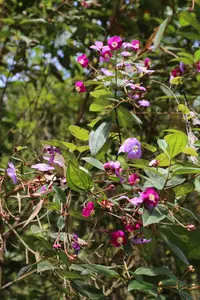
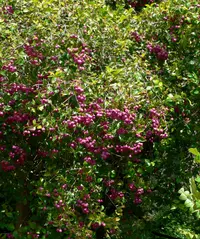
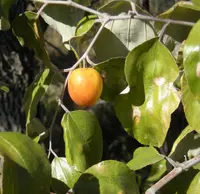
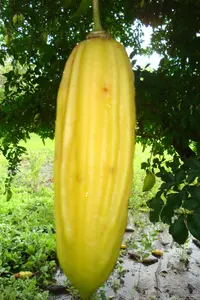
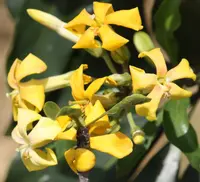
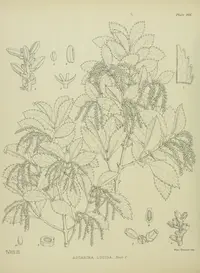
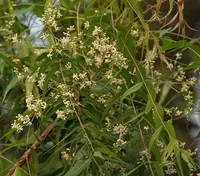
Hutu, Ascarina lucida, is an evergreen shrub or small tree from moist forests in New Zealand and nearby Pacific islands. It typically forms a dense, upright crown with many small, glossy leaves. Clusters of tiny flowers and modest fruit add interest but are not the main ornamental feature. The plant naturally grows in cool, humid, shaded habitats, often under taller forest trees. Ascarina lucida can be challenging outside its native climate because it dislikes heat, dry air, and strong sun. Those who care for hutu should aim to provide consistently moist soil, shelter from harsh exposure, and stable, mild conditions.

Main Plant Requirements

Care Difficulty

Moderate Care

Light Preference

Partial Shade

Water Requirements

Keep Soil Moist

Temperature Preference

Warm Climate

Hardiness Zone

9–11

Soil Texture

Loamy, Silty, Organic-rich

Soil pH

Acidic (5.5–6.5), Slightly acidic (6.5–7.0)

Soil Drainage

Moist but well-drained

Fertilization

Minimal (feed rarely)

Get Personalized Care Plan

Scan your plant to receive care tips personalized for your specific plant

Available on iOS and Android

How to Care for the hutu

This understory shrub prefers soft, forest-like light rather than intense direct sun.

  • Provide 3–5 hours of gentle morning sun with bright, filtered light for the rest of the day, similar to a light woodland edge.
  • Allow partial shade; hutu tolerates dappled light under taller trees but becomes sparse and leggy in deep shade with less than 2 hours of indirect light.
  • Protect from harsh midday and afternoon sun, which can scorch leaves and cause pale, dry patches, especially during late spring and summer.

This species prefers steadily moist, cool soil rather than alternating extremes of wet and dry.

  • Water when the top 2–3 cm of soil feels barely dry, aiming for soil that stays evenly damp but not saturated.
  • Ensure deep, free-draining soil so excess water can move away; prolonged puddling or a sour smell indicates waterlogging and root stress.
  • In warm, windy periods increase watering frequency, while in cool or rainy seasons reduce it; drooping soft leaves suggest overwatering, while crisp edges signal dryness.

This plant is adapted to mild, maritime climates with limited temperature extremes.

  • Aim for 55–72°F (13–22°C) for steady growth, similar to cool coastal or forest conditions.
  • Protect from frost; damage often begins around 30°F (-1°C), with serious injury below 28°F (-2°C), so shelter from hard freezes and cold, drying winds.
  • In hot weather above 80°F (27°C), provide shade and consistent moisture, as extended heat and dry air can stress foliage and slow growth.

This species prefers moderately moist air and reacts if kept too dry for long periods.

  • Aim for 50–70% humidity, similar to a mild, sheltered woodland environment.
  • Tolerates brief drops to 35–40%, but prolonged dry central heating air can cause browning leaf tips and edge crisping on hutu.
  • Increase humidity by grouping plants, placing the pot on a pebble tray with water below the pot base, or using a small room humidifier nearby.

Ascarina lucida grows best in consistently moist, airy, organic-rich soil that drains freely without drying out completely.

  • Use a loose mix of roughly 50% composted bark or leaf mold, 30–40% peat-free compost, and 10–20% perlite for structure and drainage.
  • Aim for slightly acidic to neutral pH (5.5–7.0), avoiding strongly alkaline mixes that can limit nutrient uptake.
  • Improve aeration by adding chunky bark or coarse perlite so water can move through the profile instead of pooling around the roots.
  • Avoid heavy clay, fine peat-only mixes, or soils that stay waterlogged, as these limit oxygen and increase root rot risk.

This species can be grown in containers if the pot supports steady moisture and root stability.

  • Choose a deep, slightly wider-than-rootball container to anchor the plant and support a spreading root system without crowding.
  • Select a heavier material such as ceramic or thick-walled terracotta to reduce tipping in windy, exposed positions.
  • Use a pot with multiple drainage holes and elevate it slightly on pot feet so excess water clears quickly from the base.

Ascarina lucida is a forest species that grows steadily in reasonably fertile soil and needs only light feeding in cultivation.

  • Apply a balanced, slow-release NPK fertilizer or a thin layer of mature compost in early spring to support new growth when caring for hutu.
  • Feed container or nursery plants every 6–8 weeks in the growing season at 1/2–1/4 label strength to avoid salt buildup.
  • Skip fertilizer in winter or dormancy; nutrients are not actively taken up, and excess salts can stress the roots.

Ascarina lucida responds best to light, corrective pruning rather than heavy cutting.

  • Carry out structural pruning in late winter or early spring before active growth resumes.
  • Remove dead, diseased, rubbing, or storm-damaged branches first, using clean, sharp bypass pruners or a small pruning saw.
  • Thin congested interior shoots to improve light and air flow, maintaining the plant’s natural, upright habit.
  • Limit cuts to smaller branches; avoid severe topping, which can cause weak regrowth and poor structure.

This species is more often grown in the ground, so transplanting young plants correctly is more important than frequent repotting.

  • Transplant in early spring or early fall, when temperatures are mild and soil moisture is reliable.
  • For container plants, look for roots circling the pot, slow growth, or quick drying soil as signs a move up 1 pot size is needed every 2–3 years.
  • Water the plant thoroughly a day before moving, then slide it out gently, disturbing the root ball as little as possible.
  • Replant at the same depth in a free-draining, humus-rich mix, water in well, and shade lightly for 1–2 weeks to reduce stress.

Ascarina lucida is usually raised from seed, with some growers also using semi-ripe cuttings under controlled conditions.

  • Collect ripe seed and sow fresh in a well-drained, fine seed mix, keeping it evenly moist at 60–70°F in bright, indirect light.
  • Provide patience; germination can be slow and irregular, so maintain consistent moisture and avoid letting the mix dry out.
  • In late spring to summer, take semi-ripe cuttings, remove lower leaves, and insert into a free-draining medium under high humidity.
  • Use bottom heat and a clean, sharp knife or pruners to reduce tissue damage and improve rooting success.

This species prefers mild, frost-free conditions and benefits from basic winter protection in colder climates.

  • In regions with frost, grow Ascarina lucida in a sheltered spot, protected from cold drying winds.
  • Apply a 5–8 cm layer of organic mulch around the root zone, keeping it clear of the trunk to insulate soil and reduce temperature swings.
  • For container plants, move pots into a cool, bright, frost-free area before night temperatures drop near freezing.

Care Tips

Sheltered site selection

Position plants where taller shrubs or trees break strong winds, since the thin, flexible stems can suffer from desiccation and breakage in exposed sites.

Understory companion planting

Grow it among other moisture-loving, shade-tolerant shrubs or ferns to help maintain a cool, stable root environment and reduce stress from rapid temperature or humidity swings.

Mulch for fine roots

Apply a 5–8 cm layer of fine bark or leaf mold around the root zone, keeping it a few cm from the stems, to protect the shallow roots and moderate soil moisture between rains.

Gradual sun adaptation

If moving nursery plants from deep shade to a brighter garden position, increase light exposure over 2–3 weeks to avoid leaf scorch and allow new foliage to adapt.

Low-impact pest scouting

Inspect the undersides of leaves and young shoots every few weeks, especially in warm, still conditions, and wash off early aphid or scale infestations with a firm water spray rather than immediately using pesticides, which supports more sustainable growing hutu.

Common Pests and Diseases

Myrtle rust

This disease causes bright yellow to orange powdery pustules on young leaves, shoots, and sometimes stems, often followed by leaf deformation and dieback. Symptoms include premature leaf drop and thinning of the canopy on stressed or exposed plants.

Solution

Remove and bag affected leaves and shoots, then dispose of them in household trash, not compost. Reduce stress by maintaining even soil moisture, avoid overhead watering, and, where legally permitted, use a registered myrtle rust fungicide according to label directions while improving airflow around the plant.

Sooty mold

This disease appears as a black, soot-like coating on leaves and stems, usually growing on the honeydew excreted by sap-sucking insects such as scale or aphids. Symptoms include dull, blackened foliage and reduced photosynthesis, although the fungus stays mostly on the surface of the leaf.

Solution

First control the underlying insects by hosing them off, pruning heavily infested twigs, or using a suitable horticultural oil. Once the honeydew source is reduced, gently wipe or hose leaves to remove the mold and improve light capture, and keep the canopy open with light pruning to enhance drying and light penetration.

Soft scale

These insects appear as small, rounded, often brown or gray bumps on stems and leaf midribs, where they feed on plant sap. This pest weakens shoots and produces sticky honeydew, which can lead to sooty mold development.

Solution

Prune and discard heavily infested twigs, then treat remaining colonies with horticultural oil or insecticidal soap, ensuring thorough coverage of stems and leaf undersides. Encourage natural predators such as lady beetles outdoors and avoid high-nitrogen fertilization that promotes soft, scale-susceptible growth.

Leaf spot

This disease causes small tan to dark brown spots on leaves, sometimes with a purple or darker border, which can merge into larger dead areas under humid conditions. Symptoms include scattered leaf blemishes and occasional early leaf drop on lower or shaded branches.

Solution

Remove and discard fallen and badly affected leaves to reduce inoculum. Improve air circulation by thinning crowded branches, avoid wetting foliage when watering, and, if the problem is severe and persistent, apply a suitable broad-spectrum fungicide labeled for ornamental shrubs, following instructions carefully.

Interesting Facts

Ancient Gondwanan lineage

This species belongs to Ascarinaceae, a small family considered a relic of the ancient Gondwanan flora, giving it evolutionary significance in studies of Southern Hemisphere plant history.

Shade-tolerant understory tree

In New Zealand and some Pacific islands, it grows as a small to medium tree mainly in cool, moist forest understories, tolerated by and adapted to relatively low light levels beneath taller canopy trees.

Distinctive aromatic foliage

The leaves release a noticeable scent when crushed due to aromatic compounds in the tissues, a feature sometimes used to help distinguish it from visually similar native trees.

FAQs about hutu

Growth is slow to moderate. Young plants often establish roots for several years before gaining height, then may add 10–20 cm per year in suitable climates. Cool, moist, sheltered conditions and organic-rich soil support growing hutu most effectively.

Grow Healthy Plants with Botan Care

Keep your plants happy and healthy with plant identification, disease detection, and easy care guidance.

Botan plant care app — identify plants on mobile

Explore More Plants