umbrella thorn Care (Vachellia tortilis)

umbrella thorn

About umbrella thorn

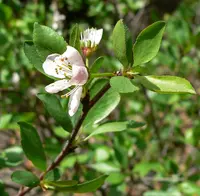
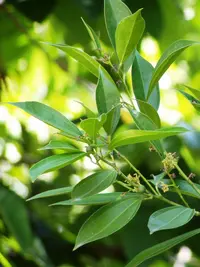
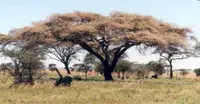
The umbrella thorn, Vachellia tortilis, is a drought-tolerant tree known for its flat-topped crown and paired, hooked thorns. It typically forms a broad, spreading canopy that casts light, dappled shade.

This species is native to arid savannas of Africa and the Middle East, where it withstands intense sun, heat, and poor, sandy or rocky soils. Its deep roots and small, feathery leaves reduce water loss and make it very resilient.

These same traits mean it can be slow-growing but quite tough once established, especially in dry, bright conditions. For those who want to care for umbrella thorn in cultivation, it favors full sun, low to moderate moisture, and very well-drained soil.

Main Plant Requirements

Care Difficulty

Moderate Care

Light Preference

Full Sun

Water Requirements

Low Water

Temperature Preference

Warm Climate

Hardiness Zone

9–11

Soil Texture

Sandy, Loamy, Rocky

Soil pH

Slightly acidic (6.5–7.0), Alkaline (7.5–8.5)

Soil Drainage

Well-drained

Fertilization

Minimal (feed rarely)

Get Personalized Care Plan

Scan your plant to receive care tips personalized for your specific plant

Available on iOS and Android

How to Care for the umbrella thorn

This desert tree thrives in strong, direct light and needs long daily sun exposure for best growth.

  • Provide 6–10 hours of full sun daily; open, unshaded positions suit umbrella thorn best in most climates.
  • It tolerates light afternoon shade, especially in very hot regions, but prolonged shade causes sparse growth and weak branching.
  • Newly planted trees may scorch in sudden intense sun; harden off gradually in late spring and avoid reflective surfaces that amplify heat.

This species is highly drought-tolerant and prefers infrequent, deep watering over frequent light applications.

  • Outdoors in the ground, let the top 5–10 cm of soil dry completely before watering, then soak the root zone thoroughly and allow full drainage.
  • In the first growing season, monitor closely; drooping, dull foliage suggests it stayed dry too long, while yellowing leaves and soft new shoots indicate overwatering.
  • Reduce or stop supplemental watering in cool seasons if rainfall is present; resume careful deep watering only during extended hot, dry periods for Vachellia tortilis.

This arid-climate tree prefers sustained warmth and copes well with high summer temperatures when established.

  • Optimal growth occurs around 75–95°F (24–35°C), typical of hot, dry regions with strong sun and low humidity.
  • Mature trees usually tolerate brief dips near 25–30°F (-4 to -1°C), but young plants are more cold-sensitive and may suffer damage below 32°F (0°C).
  • Avoid sites with regular frost pockets; provide frost protection during the first 2–3 winters and ensure good airflow in extreme heat above 105°F (40°C).

This desert tree handles low humidity very well and rarely needs special humidity management indoors or outdoors.

  • Target 20–40% humidity; the plant tolerates even drier air better than prolonged high humidity above 60%.
  • In stuffy, very humid conditions, watch for leaf yellowing, blackened twig tips, or fungal spotting as signs of excess moisture stress.
  • If air is extremely dry and hot indoors, use a small fan for air movement rather than misting, which can promote fungal issues.

Vachellia tortilis prefers very fast-draining, lean, sandy soil that mimics arid habitats.

  • Use a mix of roughly 50–70% coarse sand or grit with 30–50% low-organic potting mix or loam to keep the root zone airy.
  • Ensure sharp drainage; water must pass through the profile in seconds, not sit in the pot or planting hole.
  • Aim for slightly alkaline to neutral pH around 7.0–8.0 and avoid peat-heavy mixes that hold prolonged moisture.
  • Do not plant in compacted clay or low-lying spots; raised beds or mounds improve aeration and prevent root suffocation.

This species can be grown in containers for several years when managed as a small tree or bonsai-style specimen.

  • Choose a wide, heavy container to counter the tree’s spreading, wind-catching canopy and reduce tipping risk outdoors.
  • Select thick-walled clay or concrete pots in hot climates to buffer root temperature swings and slightly reduce moisture loss.
  • Fill the container with a very gritty, cactus-style mix and elevate the pot on feet so drainage holes never sit in pooled water.

This desert-adapted tree needs minimal feeding, but light nutrition can support container or landscape growth on poor soils when caring for umbrella thorn.

  • Use a balanced, dilute liquid fertilizer (around 10-10-10) at 1/2–1/4 strength during active spring–summer growth if soil is very lean.
  • Apply a small amount of well-rotted compost or slow-release fertilizer once at the start of the growing season for in-ground trees.
  • Avoid fertilizing in fall and winter when growth slows, to prevent weak, cold-sensitive shoots.
  • Always water before and after applying fertilizer to limit root burn in Vachellia tortilis.

Pruning Vachellia tortilis is mainly done to manage shape, safety, and plant health.

  • Carry out structural pruning in late winter to early spring before vigorous new growth begins.
  • Remove dead, diseased, crossing, or storm-damaged branches first, then thin overly crowded interior shoots.
  • Use sharp bypass pruners or a clean pruning saw, making cuts just outside the branch collar to promote proper healing.
  • Moderate canopy thinning improves light penetration, airflow, and access, while preserving the tree’s characteristic umbrella form.

This species is usually grown in the ground, with transplanting done carefully to avoid stressing the deep root system.

  • Transplant young trees in late winter to early spring, when temperatures are mild and before strong new growth.
  • Look for signs such as roots circling the container, water running off quickly, or stalled growth in potted specimens.
  • When moving Vachellia tortilis, keep as much of the root ball intact as possible and disturb roots minimally.
  • Water thoroughly after transplanting, then keep soil slightly moist but not waterlogged for several weeks to reduce transplant shock.

Vachellia tortilis is most commonly propagated from seed, which suits its natural ecology.

  • Collect ripe, mature pods in late summer, then extract and dry seeds briefly before storage or sowing.
  • Scarify hard seed coats by lightly nicking with a blade or soaking in hot (not boiling) water to improve germination.
  • Sow seeds in a free-draining sandy mix, keep at 70–85°F, and maintain even but light moisture and bright light.
  • Stem cuttings are less reliable; use semi-hardwood pieces with rooting hormone in warm, slightly humid conditions if attempted.

This heat-adapted tree tolerates brief light frost but benefits from some winter precautions in colder climates.

  • In-ground trees handle mild winter conditions but may suffer below about 20°F, especially when young.
  • Apply a 5–8 cm layer of dry mulch around the root zone, keeping it a few cm away from the trunk.
  • Wrap young trunks with breathable tree wrap in regions with frequent hard freezes or drying winter winds.
  • Move container-grown Vachellia tortilis into a bright, cool, frost-free space and water sparingly through winter.

Care Tips

Early canopy training

In the first 2–3 years, selectively tip-prune competing leaders and lightly weight or tie young branches outward to establish the classic flat-topped canopy and a single strong trunk structure before the wood hardens.

Thorn management safety

When working near branches, wear thick gloves and eye protection, and use long-handled pruners to remove only the most hazardous low thorns along paths while leaving enough defensive growth to keep the plant’s natural form.

Deep root encouragement

In open ground, space irrigation emitters 30–60 cm away from the trunk and gradually move them outward as the plant grows to encourage deep, wide-spreading roots that improve drought resilience and wind stability.

Container root control

For potted plants, root-prune every 2–3 years by removing the tree from its container, slicing off 2–3 cm from the outer root mass, and replanting in fresh mix to prevent circling roots and stunting.

Heat and wind acclimation

When growing umbrella thorn from nursery stock, gradually expose the plant over 2–3 weeks to full sun and prevailing winds in its final site to reduce transplant shock and minimize leaf scorch or breakage.

Common Pests and Diseases

Acacia gall rust

This disease causes swollen, woody galls on stems and branches that can distort growth and weaken the canopy over time.

Solution

Prune out and destroy affected twigs and branches during dry weather, cutting at least 10–15 cm below visible galls, and disinfect tools between cuts; in high‑value plantings, improve spacing and airflow and avoid overhead irrigation to reduce spore spread, and consult local extension services if fungicide use is considered.

Armillaria root disease

This disease leads to gradual canopy thinning, branch dieback, and yellowing foliage, especially in stressed or poorly drained sites.

Solution

Remove and destroy severely affected trees and as much of the major root system as practical, avoid replanting susceptible woody species in the same spot, and improve drainage and soil aeration; maintain tree vigor by avoiding overwatering and mechanical injury to roots and lower trunk.

African mistletoe

This parasitic plant forms clumps on branches, stealing water and nutrients and causing dieback of infested limbs, especially in dry environments.

Solution

Cut out mistletoe along with at least 30–40 cm of the infested branch where feasible, focusing on early, small infestations; monitor regularly and repeat removals, favoring structural pruning during the dry season to limit stress and entry points for pathogens.

Scale insects

These insects attach firmly to stems and sometimes leaves, sucking sap and leading to yellowing foliage, honeydew deposits, and sooty mold growth.

Solution

For light infestations, scrub affected bark gently with a soft brush and water or horticultural soap; for heavier infestations, apply a labeled horticultural oil during mild temperatures, ensuring thorough coverage of branches, and encourage natural predators by avoiding broad‑spectrum insecticides.

Borers

This pest group tunnels into trunks and larger branches, leaving small entry holes, frass (sawdust‑like material), and causing localized dieback or structural weakness.

Solution

Promptly prune and destroy heavily infested branches, improve overall tree vigor through appropriate watering and avoidance of trunk wounds, and use trunk protection (guards or wraps) in young trees; in regions where specific borers are known problems, follow regional umbrella thorn care instructions that include timing any preventive treatments to local pest life cycles.

Interesting Facts

Dual thorn types

This species typically produces two distinct thorn forms on the same tree: long, straight spines and shorter, strongly curved hooks, which together deter both tall browsers like giraffes and smaller mammals.

Iconic desert canopy

In arid African and Arabian landscapes it often grows with a flat, umbrella-like crown that spreads much wider than its height, providing critical shade and microhabitats for animals and understory plants in extreme heat.

Nitrogen‑fixing partner

Like many mimosoid legumes, this tree forms root nodules with symbiotic bacteria that convert atmospheric nitrogen into usable forms in the soil, enhancing fertility in otherwise nutrient-poor dry habitats.

Botan icon

Did you know?

This species is so well adapted to hot, dry environments that it can dominate some of the hottest, most water‑limited savanna and desert fringes in Africa, where its deep root system allows it to tap moisture unavailable to many other woody plants.

FAQs about umbrella thorn

Growth is moderate for a dryland tree. Young plants may add 20–40 cm per year under hot, sunny, low-rainfall conditions, then slow as the canopy broadens. Poor drainage, shade, or cool climates reduce growth noticeably.

Grow Healthy Plants with Botan Care

Keep your plants happy and healthy with plant identification, disease detection, and easy care guidance.

Botan plant care app — identify plants on mobile

Explore More Plants