Wind training
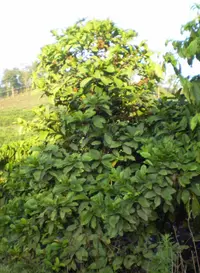
In windy sites, allow moderate exposure rather than staking tightly, as light swaying strengthens stems and encourages a denser, more self-supporting framework over time.

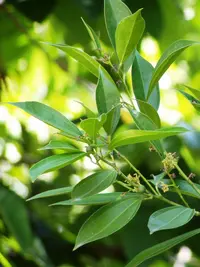
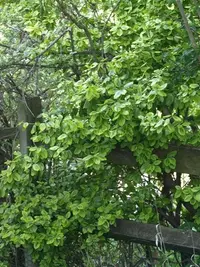
Laurel-leaf snailseed (Cocculus laurifolius) is an evergreen shrub or small tree grown mainly for its dense, glossy, laurel-like foliage. It forms an upright, layered shape that works well as a screen, clipped hedge, or small specimen tree in mild climates.
This species is native to parts of Asia and the Mediterranean region, where it grows in woodland edges and sheltered slopes. Small flowers and fruits are usually secondary to its foliage value.
Gardeners often find it relatively straightforward to care for laurel-leaf snailseed when it is placed in suitable conditions. It generally prefers bright light with some protection from harsh exposure, moderately moist but well-drained soil, and shelter from extreme cold or heat.

Care Difficulty
Easy Care

Light Preference
Partial Shade

Water Requirements
Moderate Water

Temperature Preference
Warm Climate

Hardiness Zone
8–10

Soil Texture
Sandy, Loamy, Organic-rich

Soil pH
Acidic (5.5–6.5), Slightly acidic (6.5–7.0)

Soil Drainage
Moist but well-drained

Fertilization
Minimal (feed rarely)
Scan your plant to receive care tips personalized for your specific plant
Available on iOS and Android
Cocculus laurifolius grows best with bright, gentle light that avoids harsh midday sun.
Cocculus laurifolius prefers evenly moist, well-drained soil that never stays soggy.
This shrub prefers mild climates with only light frost and avoids extremes of heat or cold.
This shrub handles a wide humidity range but benefits from moderately moist air.
Cocculus laurifolius prefers a loose, well-draining, moderately fertile substrate.
This species adapts well to large containers when given enough root volume and stability.
Cocculus laurifolius benefits from modest feeding in containers, while in-ground shrubs often manage on average garden soil.
Cocculus laurifolius responds well to light structural pruning to maintain a dense, tidy shrub or small tree form.
This species is usually grown in the ground, but young or container-grown plants tolerate careful transplanting.
New Cocculus laurifolius plants are most often produced from semi-ripe cuttings, with seeds used less frequently by home gardeners.
Established Cocculus laurifolius is moderately cold hardy but young or container plants appreciate some winter protection in colder areas.

Plant Health Check
Not sure what's wrong with your plant? Check your plant's health inside the app.
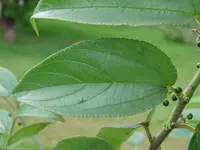
This shrub has narrow, glossy leaves that closely resemble those of true laurel species, which led to both its common name and occasional confusion in ornamental plantings.
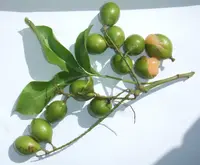
Individual plants are either male or female, so only female shrubs produce the small black drupes, and fruit set in gardens depends on having both sexes present nearby.
It naturally withstands salt-laden winds and exposure, which is why it is widely used as a hedging and screening shrub in mild coastal regions.

In parts of southern Europe and the Canary Islands, this species has naturalized from cultivation and now forms part of the evergreen shrub layer in disturbed woodland and roadside habitats, showing how readily it adapts to new Mediterranean-type climates.
This species is evergreen in mild climates, holding glossy foliage year-round. In colder areas, leaves may thin or suffer damage in hard frost, but established plants usually reshoot from woody stems once temperatures improve.
Keep your plants happy and healthy with plant identification, disease detection, and easy care guidance.