Jamaican nettletree Care (Trema micranthum)

Also known as: capulin
Jamaican nettletree

About Jamaican nettletree

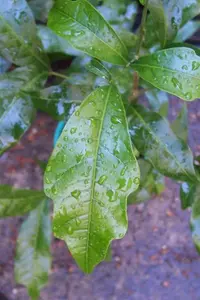
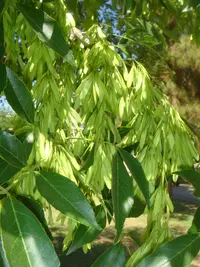
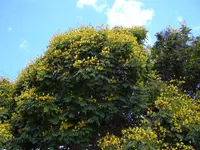
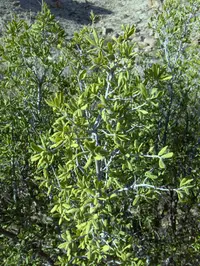
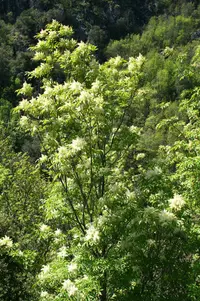
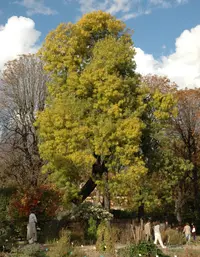
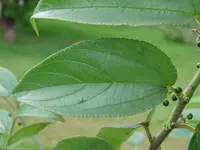
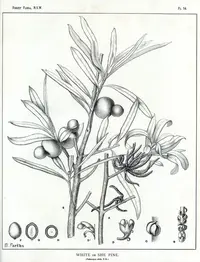
Jamaican nettletree (Trema micranthum) is a fast-growing small tree or large shrub, typically with a light, open crown and slender branches. Its foliage is thin, serrated, and medium green, giving it a delicate, somewhat weedy look rather than a dense, ornamental form.

This species is native to tropical and subtropical regions of the Americas, including the Caribbean, Central America, and parts of South America. It often colonizes disturbed sites and poor soils, which hints at its toughness and adaptability.

Because it establishes quickly and tolerates a range of soil conditions, many growers find it relatively easy to manage. Those wondering how to care for Jamaican nettletree should know it generally prefers good light, moderate moisture, and well-drained soil.

Main Plant Requirements

Care Difficulty

Easy Care

Light Preference

Full Sun

Water Requirements

Moderate Water

Temperature Preference

Tropical / Frost Sensitive

Hardiness Zone

10–12

Soil Texture

Sandy, Loamy, Organic-rich

Soil pH

Acidic (5.5–6.5), Slightly acidic (6.5–7.0)

Soil Drainage

Well-drained

Fertilization

Minimal (feed rarely)

Get Personalized Care Plan

Scan your plant to receive care tips personalized for your specific plant

Available on iOS and Android

How to Care for the Jamaican nettletree

This fast-growing tree prefers bright, warm conditions similar to its native tropical habitats.

  • Provide 6–8 hours of direct sun daily; morning and early afternoon sun support dense growth and flowering in Jamaican nettletree.
  • Tolerates light partial shade, especially in hot climates, but prolonged shade reduces vigor, stem strength, and leaf density.
  • In very hot regions, protect from intense late-afternoon summer sun to reduce leaf scorch and water stress, especially on young or newly planted trees.

This species prefers consistently moist but not saturated soil once established in the landscape.

  • Allow the top 3–5 cm of soil to dry before deep watering; soil should feel slightly moist, never soggy, when checked by hand near the root zone.
  • Increase watering during hot, dry periods if leaves droop at midday and do not recover by evening, a sign of moisture stress in Trema micranthum.
  • Use well-drained soil or a planting site that does not collect standing water, since yellowing leaves, soft new growth, and persistent wetness indicate overwatering.

This tree thrives in warm, frost-free climates typical of lowland tropical and subtropical regions.

  • Optimal growth occurs around 70–90°F (21–32°C); growth slows below 65°F (18°C) but usually resumes when temperatures rise.
  • Avoid exposure below 40°F (4°C); light frost can damage young shoots, and repeated freezes can kill small trees to the ground.
  • Handles short hot spells up to about 100°F (38°C) if soil moisture is sufficient, but prolonged extreme heat with drought can cause leaf drop and tip dieback.

This species handles a wide humidity range and usually does not need special humidity management in typical outdoor conditions.

Trema micranthum prefers loose, well-draining mineral soils that do not stay waterlogged.

  • Use a sandy or sandy-loam mix with moderate organic matter, for example 2 parts sandy topsoil, 1 part coarse sand, 1 part compost.
  • Aim for a slightly acidic to neutral pH around 6.0–7.0 to support nutrient availability and healthy root function.
  • Improve aeration and drainage by incorporating coarse sand or fine gravel, especially in heavier native soils.
  • Avoid compacted clay, standing water, or mixes dominated by peat that stay wet for long periods, which promote root rot.

This tree can be grown in large containers for temporary or managed use, but it is not ideal for long-term pot culture.

  • Choose a deep, heavy container to counteract the fast, upright growth that can make the plant top-heavy in wind-exposed sites.
  • Use a fast-draining mix and elevate the pot slightly so drainage holes remain clear and water cannot pool under the base.
  • Select non-porous materials like thick plastic or glazed ceramic if slower moisture loss is needed in hot, exposed locations.

Trema micranthum grows well in average soil and usually needs only light feeding in cultivation.

  • Use a balanced, slow-release NPK fertilizer or well-rotted compost at planting or early spring.
  • Feed once at the start of the growing season for in-ground trees; container plants can receive light feeding every 6–8 weeks.
  • Apply fertilizers at 50% of the label rate to avoid excessive, weak growth.
  • Avoid feeding in late fall or winter to let growth harden before cold weather.

Pruning Trema micranthum focuses on structure, clearance, and removal of damaged wood rather than heavy shaping.

  • Carry out main pruning in late winter or very early spring before vigorous growth begins.
  • Remove dead, diseased, crossing, or storm-damaged branches first using clean, sharp bypass pruners or a pruning saw.
  • Thin congested interior shoots to improve light penetration and airflow, which supports overall vigor.
  • Shorten or remove awkward branches to guide a balanced crown and maintain safe clearance from paths or buildings.

This species is usually grown in the ground, so care focuses on transplanting young trees rather than frequent repotting.

  • Shift container-grown seedlings once roots circle the pot or growth slows, usually every 1–2 years while young.
  • Transplant Trema micranthum in early spring or early fall when temperatures are mild and soil is workable.
  • Water the root ball thoroughly before moving, handle roots gently, and keep them shaded and moist during the process.
  • Plant at the same depth in a wider hole, backfill with native soil, water deeply, and mulch to limit post-transplant stress.

Propagation of Trema micranthum is most practical from seed, with cuttings used less often by home growers.

  • Collect ripe fruits, clean seeds, and sow them in spring in a free-draining, moderately fertile mix.
  • Provide warm conditions around 70–80°F, consistent moisture, and bright, indirect light for germination.
  • Lightly cover seeds, as very deep sowing can delay or reduce germination rates.
  • Semi-ripe stem cuttings in late spring or summer can root in a humid propagator with bottom heat and a well-drained medium.

In mild to warm climates, Jamaican nettletree needs minimal winter attention once established outdoors.

  • In regions with frost, young trees benefit from 5–8 cm of mulch over the root zone, kept away from the trunk.
  • Wrap slender trunks of first- and second-year trees with breathable tree guards where hard freezes occur.
  • Move container-grown plants indoors or into a frost-free greenhouse when temperatures approach 32°F, ensuring good light and reduced watering.

Care Tips

Wind-firm training

In the first 2–3 years, lightly stake young plants and remove lower side shoots gradually so the trunk thickens and the canopy lifts, which helps the tree resist wind and reduces breakage as it matures.

Volunteer seedling control

Check the surrounding soil 2–3 times per year and remove unwanted seedlings while small, since this species seeds freely and can quickly create dense thickets if not managed.

Wildlife browsing protection

In areas with deer or rabbits, use a 60–90 cm tall mesh guard or temporary fencing around young trees until the main stem is woody enough to resist bark stripping and shoot browsing.

Soil stabilization use

On erosion-prone slopes, plant in staggered rows along the contour and mulch between trees so the quickly developing root system can help bind soil and reduce runoff.

Regrowth management

After any necessary hard cutting back, monitor and thin the flush of new shoots, keeping only 2–4 well-spaced leaders to avoid weak, crowded regrowth and maintain a stable framework when caring for Jamaican nettletree.

Common Pests and Diseases

Whiteflies

These insects often build up on young foliage and the underside of leaves, feeding on sap and producing sticky honeydew that can attract sooty mold. Symptoms include leaf yellowing, reduced vigor, and small white adults flying up when branches are disturbed.

Solution

Prune and destroy heavily infested shoots, then rinse foliage with a strong stream of water to dislodge nymphs. For persistent issues, use insecticidal soap or horticultural oil directed to the leaf undersides, and reduce nearby weed hosts that can harbor whiteflies when growing Jamaican nettletree in warm climates or nursery settings.

Leaf spot fungi

This disease is caused by several opportunistic fungi that thrive on Trema foliage in warm, humid conditions, creating small brown to dark lesions that may merge and cause partial defoliation. Symptoms include scattered circular or irregular spots, sometimes with a yellow halo around affected tissue.

Solution

Remove and dispose of heavily spotted leaves and any fallen litter to lower the source of spores, and avoid overhead irrigation that keeps foliage wet for long periods. Improve spacing and airflow; in high-value plantings, a copper-based fungicide labeled for ornamental trees can be applied preventively during extended wet weather if leaf spot recurs each season.

Scale insects

This pest attaches firmly to twigs and leaves, sucking sap and weakening the tree, while some species excrete honeydew that supports sooty mold growth. Symptoms include rough or waxy bumps on stems, leaf yellowing, and reduced growth in young plants.

Solution

Clip out and destroy the most infested twigs, then gently scrub remaining scales off small plants with a soft brush and mild soapy water. For larger or persistent infestations, apply horticultural oil during the crawler stage, making sure to coat bark and leaf surfaces thoroughly, and limit excessive nitrogen fertilization that encourages tender, susceptible growth.

Bark-boring beetles

These insects attack stressed or poorly sited trees, boring into stems or trunks and creating galleries that can interrupt water flow. Symptoms include small entry holes, fine sawdust-like frass, dieback of branches, and in severe cases partial canopy decline.

Solution

Improve overall tree vigor with proper watering and by avoiding trunk injury or soil compaction, since healthy Trema micranthum is less attractive to borers. Prune and destroy affected branches to remove larvae, and in areas with recurring problems monitor for fresh frass and consult local extension recommendations on targeted trunk sprays for high-value specimens.

Powdery mildew

This disease appears as a white to gray powdery coating on the upper leaf surfaces, especially on young, dense growth in shaded or crowded plantings. Symptoms include distorted leaves, reduced photosynthesis, and in severe cases premature leaf drop on seedlings or nursery stock.

Solution

Increase light and airflow by thinning surrounding vegetation or adjusting spacing, and remove heavily infected leaves to reduce spore load. For ongoing problems in nurseries, apply sulfur or a labeled fungicide for powdery mildew at the first sign of symptoms, rotating products if needed and avoiding overhead watering late in the day.

Interesting Facts

Fast pioneer growth

This species is a classic pioneer tree in disturbed tropical sites, growing quickly in poor, eroded, or burned soils and helping stabilize them for later forest succession.

Key wildlife food

Its many small, fleshy drupes are produced over a long season and are eaten by a wide range of birds and small mammals, making the tree an important natural food source in neotropical ecosystems.

Nitrogen-use strategy

Although not a nitrogen-fixing legume, this species efficiently colonizes nutrient-poor soils, and its leaf litter contributes organic matter that gradually improves surface soil fertility and structure.

Botan icon

Did you know?

In some coffee- and cacao-growing regions of Central and South America, this tree is deliberately maintained or planted as a light shade and nurse tree, protecting young crops while also supporting local bird diversity through its continuous fruiting.

FAQs about Jamaican nettletree

This tree is generally fast-growing, often adding 60–120 cm in height per year in warm climates with adequate moisture and light. Growth slows in poor soil, shade, drought, or when rootbound in containers.

Grow Healthy Plants with Botan Care

Keep your plants happy and healthy with plant identification, disease detection, and easy care guidance.

Botan plant care app — identify plants on mobile

Explore More Plants