Sturdy staking
Install a discreet stake or thin bamboo cane on the windy side of each clump in late spring to keep the tall, flexible stems upright and reduce breakage during storms.

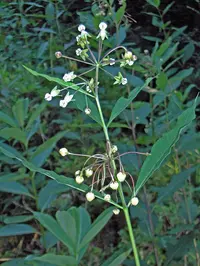
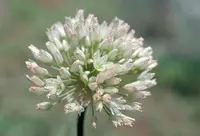
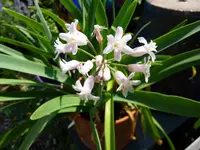
Poke milkweed, Asclepias exaltata, is a woodland milkweed native to eastern North America. It is a perennial plant that dies back in winter and returns each spring. Tall, slender stems carry drooping clusters of white to pale green flowers that attract butterflies, especially monarchs, along with many other pollinators.
This species typically grows at the edges of woods or in light shade, often on moist, well-drained soils rich in organic matter. It suits gardeners who can provide a cooler, partially shaded spot rather than full sun. Once established, it is moderately easy to manage, but young plants benefit from consistent moisture and protection from competition. Understanding how to care for poke milkweed helps it settle in and persist for many years.

Care Difficulty
Moderate Care

Light Preference
Partial Shade

Water Requirements
Moderate Water

Temperature Preference
Cold Hardy

Hardiness Zone
3–7

Soil Texture
Loamy, Silty, Organic-rich

Soil pH
Acidic (5.5–6.5), Slightly acidic (6.5–7.0)

Soil Drainage
Moist but well-drained

Fertilization
Minimal (feed rarely)
Scan your plant to receive care tips personalized for your specific plant
Available on iOS and Android
This shade-tolerant milkweed prefers bright, indirect conditions rather than harsh, all-day sun.
This species prefers consistently moist, well-drained soil and does not tolerate prolonged drought when establishing.
This hardy perennial is adapted to cool to warm temperate climates with distinct winters.
This species handles a wide humidity range and usually does not need special humidity management outdoors.
Asclepias exaltata prefers moist, well-aerated soil that mimics a rich woodland edge.
This plant can be grown in containers, but long-term performance is better in the ground.
This woodland milkweed needs only light feeding in average garden soil.
Pruning Asclepias exaltata is simple and mainly focused on cleanup and seed control.
This deep-rooted species dislikes disturbance, so transplant only when necessary.
Propagation is usually done from seed, which preserves the species’ genetic diversity.
This cold-hardy perennial usually needs minimal winter care in its native range.

Plant Health Check
Not sure what's wrong with your plant? Check your plant's health inside the app.
Poke milkweed is a confirmed host plant for monarch butterfly larvae, but unlike many milkweeds it naturally grows in shaded woodland edges rather than open fields, offering monarchs caterpillar habitat within forested landscapes.
This species is one of the few milkweeds adapted to partial shade and cooler, moist woodland conditions, reflecting an ecological niche distinct from the sun-loving common and swamp milkweeds.
Its cream to greenish-white flowers hang in loose, drooping umbels on long stalks, a floral architecture thought to facilitate pollination by larger woodland insects that can easily hang or perch beneath the blooms.

Unlike many other North American milkweeds that favor dry, disturbed, or prairie habitats, poke milkweed is characteristically associated with rich, mesic deciduous forests and woodland openings, making it an indicator of relatively undisturbed, high-quality forest understory in parts of its range.
Lack of blooms usually comes from too much shade, nutrient‑rich soil with excess nitrogen, or plants that are still immature. Consistent moisture, lean soil, and 3–4 years of establishment often improve flowering reliability.
Keep your plants happy and healthy with plant identification, disease detection, and easy care guidance.