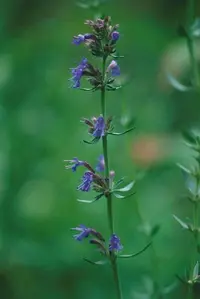
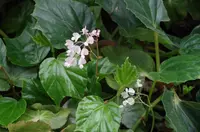
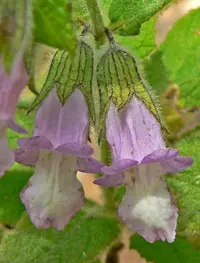
green comet milkweed Care (Asclepias viridiflora)

Also known as: green milkweed, green-flower milkweed, wand milkweed, short green milkweed
green comet milkweed

About green comet milkweed

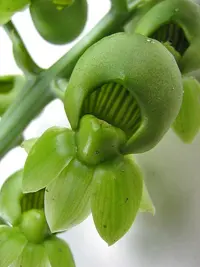
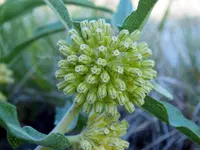
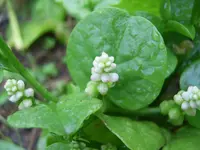
Green comet milkweed, Asclepias viridiflora, is a perennial wildflower in the milkweed family, valued mainly as a nectar and host plant for butterflies. It forms upright stems with narrow leaves and round clusters of greenish flowers that age to pale yellow, giving a subtle, understated look.

This species is native to dry prairies, open woodlands, and roadsides across parts of North America, where it is adapted to sun and lean, well-drained soils. It is generally tough once established, but slow early growth and a deep taproot mean it dislikes disturbance and transplanting.

Those who want to care for green comet milkweed should know it favors full sun, dry to medium moisture, and soils that are not overly rich or wet.

Main Plant Requirements

Care Difficulty

Easy Care

Light Preference

Full Sun

Water Requirements

Low Water

Temperature Preference

Cold Hardy

Hardiness Zone

3–9

Soil Texture

Sandy, Loamy, Rocky

Soil pH

Slightly acidic (6.5–7.0), Neutral (7.0)

Soil Drainage

Well-drained

Fertilization

Minimal (feed rarely)

Get Personalized Care Plan

Scan your plant to receive care tips personalized for your specific plant

Available on iOS and Android

How to Care for the green comet milkweed

This sun-loving prairie perennial performs best in open, bright conditions with moderate tolerance for light shade.

  • Provide 6–8 hours of direct sun daily; morning and early afternoon sun promote sturdy growth and abundant flowers in green comet milkweed.
  • In hot climates, give light afternoon shade or filtered light after 2–3 p.m. to reduce leaf scorch and moisture loss, especially on dry, exposed sites.
  • Plants in more than 4–5 hours of dense shade become lanky, set fewer blooms, and may lean or flop as they stretch toward brighter light.

This species is drought-tolerant once established and prefers infrequent, deep watering over shallow, frequent applications.

  • Allow the top 5–8 cm of soil to dry fully between waterings; established plants in the ground often need no extra water beyond normal rainfall except during prolonged drought.
  • Use sharply drained, sandy or loamy soil so water does not pool around the crown; persistent wetness increases the risk of root and crown rot in Asclepias viridiflora.
  • Symptoms of underwatering include drooping, dull leaves that recover after a thorough soak, while yellowing lower leaves, limp stems, or a sour soil smell suggest overwatering.

This hardy milkweed tolerates a wide range of outdoor temperatures typical of continental climates.

  • Active growth and flowering occur best around 70–85°F (21–29°C), with healthy foliage and root development in well-drained soils.
  • Dormant roots survive winter cold to about -20°F (-29°C) in the ground under typical snow cover and mulch, provided soil does not stay waterlogged.
  • The plant endures summer heat up to about 95–100°F (35–38°C) if soil drainage is excellent; prolonged extreme heat with drought can reduce flowering and cause leaf drop.

Humidity is rarely a concern for Asclepias viridiflora if outdoor air is reasonably dry.

  • Prefers relatively dry air, typically 30–50% humidity, similar to open prairie conditions.
  • Tolerates lower humidity well; issues usually arise only with prolonged damp, stagnant air rather than dryness.
  • In overly humid, poorly ventilated spots, monitor for leaf spotting or mildew and improve air movement.

Asclepias viridiflora grows best in lean, fast-draining mineral soils that mimic prairie or open meadow conditions.

  • Use sandy or gravelly loam with low to moderate organic matter to avoid holding excess water around the roots.
  • Aim for neutral to slightly alkaline pH, roughly 6.5–7.8, which suits this species’ natural range.
  • Blend coarse sand or fine gravel with native soil, and add only a light amount of compost to improve structure without increasing water retention too much.
  • Avoid dense clay, peat-heavy mixes, or any soil that stays wet for more than 1–2 days after rainfall or watering.

This species can be grown in containers, but performance is often better in open ground.

  • Choose a tall, deep pot to accommodate the developing taproot and keep the root zone cooler in summer heat.
  • Use a heavy, stable container material like ceramic or thick-walled clay to prevent tipping in wind and reduce overheating.
  • Set the container on pot feet or bricks so drainage holes remain clear and excess water escapes quickly after storms.

This drought-tolerant native needs little feeding, but light nutrition can support flowering in poor soils when caring for green comet milkweed.

  • Use a light top-dressing of compost or a low-rate, slow-release balanced fertilizer (around 10-10-10) in early spring.
  • Apply only once per growing season for in-ground plants; containers may receive a second very light application in midsummer.
  • Always use at half the label rate to avoid lush, floppy growth and reduced drought tolerance.
  • Do not fertilize during fall and winter dormancy, as inactive roots cannot use extra nutrients.

Asclepias viridiflora benefits from minimal, well-timed pruning to maintain vigor and seed control.

  • In late winter or very early spring, cut back last year’s dead stems to just above ground level with clean hand pruners.
  • During the growing season, remove damaged or diseased stems promptly to maintain airflow and reduce pest and disease pressure.
  • Deadhead spent flower clusters before seeds mature if self-seeding needs to be limited.
  • Leave some healthy stems and pods if seed collection or natural reseeding is desired, adjusting how much to cut accordingly.

This deep-rooted species dislikes disturbance, so transplant Asclepias viridiflora only when clearly necessary.

  • Look for roots circling the container drainage holes, decline in vigor, or rapid drying of the potting mix as signs a plant has outgrown its pot.
  • Plan any transplanting or up-potting for early spring, just as new growth begins, to align with the plant’s active root growth period.
  • Handle the long taproot very gently; move the whole root ball with minimal loosening, and replant at the same depth in a well-drained, sandy or loamy soil.
  • Water thoroughly after transplanting, then keep soil lightly moist but never waterlogged for 1–2 weeks to reduce shock and support re-establishment.

Seed is the primary method for propagating Asclepias viridiflora, since its taproot makes division unreliable.

  • Collect ripe seed pods in late summer to early fall when they begin to split, then dry and clean the seeds.
  • Provide cold stratification by refrigerating seeds in slightly moist medium for about 30–60 days to improve germination.
  • Sow stratified seeds in early spring on a well-drained, sandy mix, barely covering them and keeping temperatures around 65–75°F.
  • Maintain even, light moisture until germination, then gradually increase light to full sun conditions while avoiding waterlogging.

This cold-hardy perennial usually needs little special winter care in the ground.

  • Asclepias viridiflora tolerates typical winters across much of its native range once established, surviving hard frosts through its underground root system.
  • After stems die back in late fall, optionally cut them to ground level and remove debris to limit overwintering pests and diseases.
  • In colder regions or exposed sites, apply a light 2–5 cm mulch after the ground cools to buffer freeze-thaw cycles around the crown.
  • For container-grown plants in cold climates, move pots to a sheltered, unheated but frost-free or minimally freezing area to protect the root zone.

Care Tips

Encourage Deep Roots

During the first growing season, water less frequently but deeply so the soil is moistened to 15–20 cm, which promotes a strong taproot that improves drought resilience in mature plants.

Skip Transplanting Late

Avoid disturbing established plants after the first year because the taproot is easily damaged; sow in final positions or transplant only very young seedlings with minimal root disturbance.

Support Natural Regeneration

Leave some seed pods on the plant to mature and split, allowing seeds to fall and create a self-sown patch that maintains population density without frequent replanting.

Manage Competition Carefully

Keep grasses and aggressive perennials thinned within a 20–30 cm radius to reduce competition for water and nutrients, but retain some surrounding vegetation to stabilize soil and support beneficial insects.

Protect Monarch Larvae

If caterpillars are present, avoid using insecticides nearby and delay cutting back stems until late fall so larvae and chrysalides are not accidentally removed while caring for green comet milkweed.

Common Pests and Diseases

Oleander aphid

This pest forms dense yellow clusters on young stems, buds, and leaves, sucking sap and weakening growth while leaving sticky honeydew that can attract sooty mold. Symptoms include curling foliage, stunted shoots, and heavy ant activity on the plant.

Solution

Dislodge colonies by spraying plants with a strong stream of water, then follow with applications of insecticidal soap or neem oil directed at stems and leaf undersides every 5–7 days until populations collapse. Remove heavily infested stems or spent flowering stalks, and reduce nearby nitrogen-rich fertilization that encourages soft, aphid-prone growth.

Milkweed beetle

These insects chew on leaves, stems, and sometimes pods, leaving irregular holes and ragged margins, and larvae may feed within stems or roots. Damage is usually localized but can be significant on small or young plants.

Solution

Handpick adult beetles and larvae and drop them into soapy water, focusing on early morning when they move more slowly. Maintain plant vigor with full sun and well-drained soil so that established clumps can tolerate moderate feeding without long-term decline.

Milkweed leaf miner

This pest creates winding, pale tunnels inside leaves as larvae feed between the leaf surfaces, which can reduce photosynthesis and cause early leaf drop. Symptoms include serpentine trails that gradually widen and may turn brown or papery.

Solution

Remove and destroy mined leaves as soon as trails are noticed to interrupt the life cycle before larvae pupate. Encourage natural predators by avoiding broad-spectrum insecticides, and if needed, use targeted systemic products only as a last resort and according to local guidelines to protect pollinators visiting flowers.

Leaf spot

This disease causes small tan to brown spots that may enlarge, sometimes with darker borders, leading to patchy, thinned foliage in warm, humid conditions. Symptoms include premature yellowing and drop of the most affected leaves, often in lower or denser parts of the plant.

Solution

Prune and dispose of spotted leaves and any dense, crowded stems to increase airflow and reduce leaf wetness duration. Water at soil level instead of overhead, avoid wetting foliage late in the day, and if the problem recurs, apply a labeled copper or chlorothalonil-based fungicide according to Asclepias viridiflora care instructions and local regulations.

Powdery mildew

This disease appears as a white to gray powdery coating on leaves and stems, especially in partial shade or where airflow is poor. Symptoms include distorted new growth and gradual yellowing or browning of heavily coated foliage.

Solution

Improve air circulation by spacing plants properly, thinning nearby vegetation, and ensuring plants receive full sun whenever possible. Remove and discard badly affected leaves, water at the base in the morning, and use a labeled sulfur or potassium bicarbonate fungicide if outbreaks are severe or persistent.

Interesting Facts

Specialist bee partner

This species is a primary host for the oligolectic bee Melissodes desponsa, which forages almost exclusively on its flowers for pollen.

Dry prairie native

It is characteristic of dry prairies, open glades, and rocky hillsides in central North America, often thriving in thin, well-drained, calcareous or sandy soils where many other milkweeds do not persist.

Low-latex milkweed

Compared with many other milkweeds, its stems and leaves exude relatively little milky latex sap, which may make it less immediately deterrent to some generalist herbivores.

Botan icon

Did you know?

Unlike most showier milkweeds, this species often flowers inconspicuously at or just above surrounding prairie vegetation, yet still attracts monarch caterpillars as a confirmed larval host plant in parts of its native range.

FAQs about green comet milkweed

This species is an excellent nectar source for native bees, wasps, and many butterflies, including monarchs. Planting several together in sunny, open sites increases visibility and nectar availability, supporting a wider range of pollinators in the garden.

Grow Healthy Plants with Botan Care

Keep your plants happy and healthy with plant identification, disease detection, and easy care guidance.

Botan plant care app — identify plants on mobile

Explore More Plants