garden asparagus Care (Asparagus officinalis)

Also known as: wild asparagus, asparagus, Sparrow Grass
garden asparagus

About garden asparagus

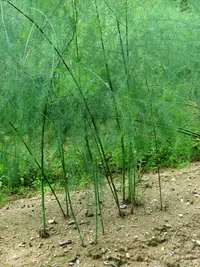
Garden asparagus, Asparagus officinalis, is a long-lived perennial vegetable grown mainly for its tender spring spears. It forms tall, feathery stems after harvest that look like soft, green ferns.

This species is native to coastal and riverbank areas of Europe and western Asia but is now widely cultivated in temperate regions. Once established, it is quite hardy and can stay productive for many years.

It prefers sunny sites, moist but well-drained soil, and benefits from protection from heavy foot traffic. Understanding how to care for garden asparagus early on helps the bed remain healthy and high-yielding over time.

Main Plant Requirements

Care Difficulty

Moderate Care

Light Preference

Full Sun

Water Requirements

Moderate Water

Temperature Preference

Cold Hardy

Hardiness Zone

3–8

Soil Texture

Sandy, Loamy, Organic-rich

Soil pH

Slightly acidic (6.5–7.0), Neutral (7.0)

Soil Drainage

Moist but well-drained

Fertilization

Light (every 4–6 weeks)

Get Personalized Care Plan

Scan your plant to receive care tips personalized for your specific plant

Available on iOS and Android

How to Care for the garden asparagus

This perennial crop needs strong sun to build energy for spear production.

  • Provide 6–8 hours of direct sun daily; in hot climates, try for morning sun with light afternoon shade to reduce stress on young spears.
  • Garden asparagus tolerates light partial shade (around 4–5 hours sun), but yields and spear thickness usually decrease.
  • Avoid sites shaded by trees or buildings; in summer, excess reflected heat from walls or pavement can scorch ferns, so allow some air space and avoid dark, heat-absorbing surfaces.

This deep-rooted vegetable prefers steady soil moisture without staying saturated.

  • Before watering, check that the top 3–5 cm of soil are dry; then water deeply so moisture reaches the root zone rather than just the surface.
  • During active growth in spring and early summer, aim to keep soil slightly moist; in late summer and fall, allow a bit more drying between waterings.
  • Ensure well-drained soil or raised beds to prevent standing water, yellowing ferns, and root rot, while watching for limp, thin spears as a sign of underwatering in Asparagus officinalis.

This hardy perennial tolerates winter cold but grows best in mild to warm conditions.

  • Optimal spear growth occurs around 60–75°F (16–24°C); sustained warmth in this range supports strong ferns that recharge the crowns.
  • Established plants survive winter down to about 0°F (−18°C) in the ground, going dormant after hard frosts without long-term damage.
  • In hot summers above 90°F (32°C), growth may slow; mulch soil to moderate temperature swings and reduce stress on crowns and roots.

Asparagus officinalis tolerates a broad humidity range and usually does not need special humidity management outdoors.

  • Aim for ambient outdoor humidity around 30–60% when possible, which supports steady growth of spears and ferns.
  • Plants tolerate relatively dry air but prolonged hot, arid wind can brown fern tips and slow spear production.
  • In very dry climates, use windbreaks or nearby mulch-dense plantings to slightly buffer humidity and reduce moisture loss from the soil surface.

Asparagus officinalis prefers deep, loose, well-drained soil that allows thick crowns and storage roots to expand freely.

  • Use a sandy or sandy-loam structure enriched with composted organic matter so water drains quickly yet roots access steady moisture.
  • Target a soil pH of 6.5–7.5; add garden lime if soil is very acidic or elemental sulfur if strongly alkaline.
  • Incorporate coarse sand or fine gravel in heavy clay to improve drainage and aeration while avoiding waterlogging around crowns.
  • Avoid compacted, shallow, or frequently saturated sites, which increase risk of root rot and reduce long-term spear yield in garden asparagus.

This species can be grown in large containers, but productivity and crown longevity are usually lower than in open ground.

  • Choose a container at least 18–24 in deep to accommodate the thick, descending root system and developing crowns.
  • Use a heavy, stable pot material such as ceramic or thick plastic to prevent tall fern growth from tipping the container in wind.
  • Fill the container with a freely draining, sandy mix and elevate the pot slightly so drainage holes never sit in collected runoff.

Asparagus officinalis responds well to consistent but moderate feeding to sustain long-term spear production.

  • Before growth starts in early spring, apply a 2–5 cm layer of well-rotted compost or aged manure over the bed.
  • During the active growing season, use a balanced NPK fertilizer (such as 10-10-10) every 4–6 weeks for young beds.
  • Apply granular or slow-release fertilizer around, not on, crowns; water in thoroughly to move nutrients into the root zone.
  • Stop feeding garden asparagus 6–8 weeks before expected frost and do not fertilize dormant plants in winter.

Thoughtful pruning keeps Asparagus officinalis productive and the bed easier to manage.

  • Allow healthy ferny stems to grow all summer; they feed the crowns for next year’s spears.
  • In late fall or late winter, cut all dead, yellow-brown ferns to 2–5 cm above soil using clean pruners or shears.
  • Remove broken, diseased, or crossing stems whenever noticed to limit pests and improve airflow.
  • Clearing old growth improves light penetration, reduces overwintering pests, and promotes stronger spring spears.

Asparagus officinalis is usually grown in the ground; focus on establishing crowns in a permanent bed rather than frequent moving.

  • Transplant 1-year-old crowns in early spring when soil is workable and before new shoots emerge.
  • Choose a sunny, well-drained site and enrich soil with compost; asparagus beds can remain productive for 10–15 years.
  • Transplant only if growth is weak or space is poor; lift crowns carefully to keep root systems as intact as possible.
  • Replant crowns at the same depth, spread roots in a wide trench, water deeply, and keep soil evenly moist to limit transplant shock.

New Asparagus officinalis plants are most commonly produced from crowns or seeds for long-term beds.

  • Sow seeds indoors in late winter or outdoors in spring once soil warms to about 60–70°F.
  • Provide bright light, moist but well-drained seed mix, and expect germination in 2–3 weeks.
  • Grow seedlings on for 1 season, then transplant to a permanent bed the following spring for stronger establishment.
  • Caring for garden asparagus can also involve crown division of vigorous older plants in early spring, ensuring each division has several healthy buds and roots.

Asparagus officinalis is cold hardy in much of the US and needs only modest winter care outdoors.

  • After hard frost, allow ferns to fully brown, then cut them back low to remove pest habitat.
  • Apply 5–8 cm of straw, shredded leaves, or compost over the bed to insulate crowns and reduce freeze–thaw stress.
  • In very cold or exposed sites, add an extra mulch layer; in containers, move pots to a sheltered, unheated but frost-sheltered spot.

Care Tips

Deep trench establishment

When planting crowns, set them in a trench 15–20 cm deep and gradually backfill over the first growing season to encourage a robust, deeply rooted crown that produces thicker spears for many years.

Spear harvest technique

Cut or snap spears at soil level when they reach 15–20 cm tall rather than pulling them, which protects emerging buds on the crown and reduces entry points for disease.

Post-harvest fern management

After the main harvest period, allow spears to grow into full ferns and keep them healthy and upright with low stakes or twine so they can photosynthesize efficiently and recharge the crowns.

Targeted weed control

Keep the bed strictly weed-free by shallow hand-hoeing or mulching between rows, avoiding deep cultivation within 10–15 cm of the crowns to prevent damage to feeder roots and new buds.

Seasonal bed sanitation

In late fall or very early spring, cut all dead ferns at or just above soil level and remove them from the site to reduce overwintering asparagus beetles and fungal spores, an important step in caring for garden asparagus long term.

Common Pests and Diseases

Asparagus beetle

This pest feeds on spears and ferny foliage, leaving scars, chewed tips, and weakened plants. Symptoms include brown or tan eggs laid in rows on spears and narrow larvae feeding on cladodes and stems.

Solution

Hand-pick adults and larvae into soapy water, and remove infested spears during harvest. Clean up old ferns and plant debris in fall to reduce overwintering sites, and use row covers during spear emergence if beetle pressure is high; insecticidal soap or spinosad can be used when infestations are heavy and label directions are followed carefully.

Spotted asparagus beetle

This pest specifically targets berries and small shoots, reducing vigor and seed production. Symptoms include orange beetles with black spots and greenish larvae feeding inside or on berries and tender stems.

Solution

Collect and destroy beetles and larvae by hand when numbers are low, and remove berries after harvest to limit larval food sources. Maintain clean beds by cutting and disposing of dry ferns at season’s end, and consider rotating nearby host crops to avoid building up populations.

Asparagus rust

This disease causes small pale spots that turn into orange to reddish-brown pustules on stems and foliage, leading to premature yellowing and dieback. Severe infections reduce vigor and spear quality over time.

Solution

Remove and destroy infected ferns at the end of the season to reduce spores, and avoid overhead watering to keep foliage dry. Improve spacing and airflow, control weeds, and where pressure is high, use rust-resistant cultivars or labeled fungicides applied preventively according to instructions for Asparagus officinalis care.

Fusarium crown and root rot

This disease leads to gradual plant decline, thin spears, and yellowing ferns, often starting in stressed or poorly managed beds. Symptoms include brown, rotted crowns and roots with reduced spear production over several seasons.

Solution

Use only healthy crowns, plant in well-drained soil, and avoid overharvesting or injuring spears, which increases infection risk. Remove and discard severely affected plants, improve drainage and soil organic matter, and avoid replanting asparagus in the same infected site for several years.

Cutworms

These insects feed at or just below the soil surface and can sever young spears and shoots, leaving cut stems on the ground. Activity is usually higher at night and damage often appears suddenly in small patches.

Solution

Inspect soil around damaged plants and hand-remove caterpillars, especially in the evening. Reduce weeds and plant debris where larvae hide, use cardboard collars around young crowns in small plantings, and if populations stay high, apply a labeled biological control such as Bacillus thuringiensis (Bt) to soil and base of plants following directions.

Interesting Facts

True perennial spears

Garden asparagus is a long-lived perennial whose edible spears are actually young, rapidly elongating shoots that would turn into tall, feathery stems if not harvested.

Dioecious flower biology

This species is usually dioecious, meaning individual plants are either male or female; male plants typically produce more and thicker spears because they do not invest resources in developing berries and seeds.

Salt-tolerant field crop

Asparagus officinalis shows higher salt tolerance than many vegetables, which historically allowed it to be grown on coastal or sandy soils where other food crops struggled.

Botan icon

Did you know?

Well-managed asparagus plantings can remain productive for 15–20 years or more, making them one of the longest-lasting vegetable crops commonly grown in home gardens.

FAQs about garden asparagus

Yellowing foliage often appears when spears are aging naturally at season’s end, but can also result from waterlogged soil, nutrient deficiency (especially nitrogen), or root stress. Check drainage, adjust fertilization, and inspect roots for rot or pests.

Grow Healthy Plants with Botan Care

Keep your plants happy and healthy with plant identification, disease detection, and easy care guidance.

Botan plant care app — identify plants on mobile

Explore More Plants