Redstem Asparagus Care (Asparagus rubicundus)

Redstem Asparagus

About Redstem Asparagus

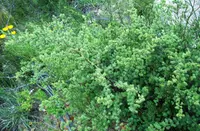
Redstem asparagus, Asparagus rubicundus, is a perennial ornamental plant in the asparagus family, known for its fine, feathery foliage and reddish young stems. It often forms airy, arching clumps that can be grown in pots or in the ground, giving a light, textured look to mixed plantings.

This species is native to parts of southern Africa, where it grows in relatively dry, sunny habitats. It tends to be resilient and somewhat drought tolerant once established, which can make it easier to manage than many delicate houseplants.

Asparagus rubicundus prefers bright light, well-drained soil, and moderate moisture, and these traits guide how to care for Redstem Asparagus in typical home or garden settings.

Main Plant Requirements

Care Difficulty

Moderate Care

Light Preference

Partial Shade

Water Requirements

Moderate Water

Temperature Preference

Warm Climate

Hardiness Zone

Unknown

Soil Texture

Sandy, Loamy, Organic-rich

Soil pH

Acidic (5.5–6.5), Slightly acidic (6.5–7.0)

Soil Drainage

Well-drained

Fertilization

Minimal (feed rarely)

Get Personalized Care Plan

Scan your plant to receive care tips personalized for your specific plant

Available on iOS and Android

How to Care for the Redstem Asparagus

This species grows best in bright, indirect light with limited direct sun exposure.

  • Provide 4–6 hours of bright, filtered light daily, such as dappled shade under taller plants or light through a sheer curtain.
  • Allow gentle morning sun but protect from strong midday and afternoon sun, which can scorch fine stems and cladodes, causing pale or brown tips.
  • In darker seasons, move Redstem Asparagus to a brighter position; in intense summer light, add shading or increase distance from south- or west-facing windows.

Asparagus rubicundus prefers evenly moist, fast-draining soil that never stays waterlogged.

  • Water when the top 2–4 cm of soil feels dry, applying enough water to moisten the full root zone, then let excess drain away completely.
  • During active growth in spring and summer, expect more frequent watering; in fall and winter, extend intervals as growth slows and evaporation decreases.
  • Watch for yellowing, soft stems as a sign of overwatering and root stress, and crisp, browning tips or drooping stems as indicators of underwatering.

This plant prefers mild, frost-free conditions with moderate warmth through the growing season.

  • Aim for 65–80°F (18–27°C) for strongest growth, with good air movement but no cold drafts or sudden temperature swings.
  • Protect from frost; growth slows below about 50°F (10°C), and prolonged exposure near or below 32°F (0°C) can damage roots and stems.
  • In hot periods above 86°F (30°C), increase shade and maintain soil moisture, as sustained extreme heat combined with dry soil can cause stress and dieback.

This species handles typical indoor humidity but benefits from moderate moisture in the air.

  • Aim for 40–60% humidity to reduce frond browning and maintain finer foliage texture on Redstem Asparagus.
  • It tolerates short periods of dry air, but prolonged levels below 30% can cause yellowing tips and premature needle drop.
  • Increase humidity by grouping plants, placing the pot on a pebble tray with water below the pot base, or using a small room humidifier.

Asparagus rubicundus prefers a loose, airy mix that drains quickly yet holds some moisture.

  • Use a base of peat or coco coir with added perlite and fine bark to create a light, fibrous structure.
  • Ensure rapid drainage; water should pass through within seconds and not leave the mix soggy for more than 1–2 hours.
  • Aim for slightly acidic to neutral pH around 6.0–7.0, avoiding high-lime mixes that can reduce nutrient availability.
  • Improve aeration by incorporating 20–30% coarse material such as perlite or pumice and avoid compacted garden soil or heavy clay.

This species is well suited to container growing when the pot supports its spreading root system and arching stems.

  • Choose a deep, slightly wider pot so the fleshy roots have room to expand without circling tightly against the walls.
  • Select a heavier material such as ceramic or clay to prevent the container from tipping as foliage becomes dense and top-heavy.
  • Elevate the pot on feet or a stand so drainage holes stay clear and runoff can escape quickly after each watering.

Asparagus rubicundus benefits from light, balanced feeding during active growth but does not need heavy fertilizer inputs.

  • Use a balanced liquid fertilizer (around 10-10-10 or 20-20-20) diluted to 1/2 strength for container plants.
  • Feed every 4–6 weeks in spring and summer when growth is active, skipping applications if growth is weak or stressed.
  • Apply a thin layer of compost over the root zone outdoors once each spring instead of frequent synthetic feeding.
  • Stop fertilizing in fall and winter so the plant can rest, especially in cooler indoor conditions.

Pruning supports a tidy form and healthy foliage in Asparagus rubicundus without needing intensive shaping.

  • In late winter or early spring, remove dead, yellowing, or damaged stems with clean, sharp scissors or pruners.
  • Thin a few of the oldest or most crowded stems at the base to improve air flow and light penetration.
  • Trim overly long arching stems back to a side shoot to control size while keeping the plant’s natural habit.
  • Disinfect blades with alcohol before and after pruning to reduce disease spread.

This species tolerates somewhat tight roots but benefits from careful transplanting or repotting when clearly rootbound.

  • Check containers every 2–3 years; roots circling the pot drainage holes, slow growth, or quick dry-out signal the need to move up 1 pot size.
  • Repot or transplant in spring, when new growth starts, to allow rapid root recovery.
  • Gently loosen circling roots and keep as much original root ball intact as possible to limit transplant shock.
  • Water thoroughly after moving, then keep soil evenly moist and shaded from harsh sun for 1–2 weeks while the plant re-establishes.

Propagation of Asparagus rubicundus is usually done by division or seeds under warm, stable conditions.

  • Divide mature clumps in spring; lift the plant, separate sections with several shoots and roots, and replant promptly.
  • Sow fresh seeds in a well-drained mix at 68–75°F, keeping the surface just moist until germination.
  • Provide bright, indirect light and high humidity for young divisions or seedlings to reduce stress and desiccation.
  • Use a sterile, free-draining substrate and avoid overwatering to limit rot during early establishment.

This plant is only moderately frost tolerant, so winter care depends on local minimum temperatures.

  • In climates with frost, add a 5–8 cm mulch layer around outdoor plants to insulate the root zone.
  • If hard freezes below about 25°F are expected, cover plants with breathable fabric to reduce stem damage.
  • Move container-grown plants indoors or into a frost-free greenhouse before sustained cold, giving bright, indirect light.

Care Tips

Use sturdy supports

Provide a low trellis, mesh, or fan of canes early in the season so the fine cladodes can lean and spread without kinking or collapsing under their own weight.

Refresh congested crowns

Every 2–3 years, lift container plants in late winter, gently tease apart and trim the outer sections of the tuberous root mass, and replant into fresh mix to prevent overcrowding and declining vigor.

Control underground spread

When grown outdoors, sink a bottomless pot or root barrier 25–30 cm deep around the planting area to confine creeping roots and simplify long‑term management.

Targeted pest scouting

Inspect inner stems and undersides of cladodes weekly for spider mites and scale, especially in warm, dry rooms, and isolate and treat at the first small patches rather than waiting for visible decline.

Seasonal foliage renewal

If older stems become sparse or yellowed, cut them back close to the crown at the end of winter so the plant can redirect energy into a flush of denser, healthier growth when growing Redstem Asparagus in the next season.

Common Pests and Diseases

Spider mites

This pest commonly attacks fine, feathery cladodes, causing pale stippling, bronzing, and webbing on stems and foliage, especially in warm, dry indoor air. Severe infestations can lead to premature yellowing and drop of cladodes.

Solution

Rinse the plant thoroughly with a strong but gentle stream of lukewarm water, including the undersides of cladodes, then increase humidity and reduce heat stress. For persistent problems, apply an insecticidal soap or horticultural oil labeled for mites every 7–10 days, ensuring full coverage and keeping the plant out of direct sun until dry.

Scale insects

These insects attach along stems and cladode joints as small brown or tan bumps, sucking sap and excreting sticky honeydew that may attract sooty mold. Symptoms include weakened growth, yellowing, and dieback of affected stems.

Solution

Physically remove visible scales with a cotton swab dipped in alcohol on light infestations, then prune heavily infested stems. Follow with repeated applications of insecticidal soap or light horticultural oil, making sure to coat stems thoroughly and monitoring new growth closely for several weeks as part of broader Asparagus rubicundus care instructions.

Mealybugs

This pest appears as white, cottony clusters in stem joints, on roots, and around the base of the plant, weakening growth by feeding on sap. Symptoms include stunted new shoots, yellowing, and sticky residue on nearby surfaces.

Solution

Inspect the plant carefully and dab visible mealybugs with a cotton swab dipped in alcohol, then rinse the plant to remove residues. Treat remaining populations with repeated insecticidal soap or systemic insecticide labeled for container ornamentals, and isolate the plant from others until no new insects appear.

Asparagus rust

This disease is caused by a rust fungus that forms orange to brown pustules on stems and cladodes, leading to yellowing, premature shedding, and overall decline if severe. Symptoms include small raised spots that darken over time and may merge on heavily infected tissue.

Solution

Remove and discard all infected stems and fallen plant debris to reduce spore levels, and provide better air circulation by spacing plants and avoiding overhead watering. In outdoor settings where rust recurs, apply a labeled fungicide preventively during warm, humid periods, rotating products as directed to reduce resistance risk.

Cercospora leaf spot

This disease produces small, gray to brown spots with darker margins on cladodes and young stems, which can merge into larger blotches under humid conditions. Symptoms include thinning foliage and reduced vigor over time.

Solution

Prune out and discard affected stems, and avoid wetting the foliage when watering to limit spread. Improve airflow around the plant, reduce overcrowding, and use a broad-spectrum fungicide labeled for foliar leaf spots if the problem persists or is recurrent in the growing environment.

Interesting Facts

Distinct red-tinted stems

This species is recognized by its reddish to purplish young stems and branchlets, which contrast with the green cladodes and help distinguish it from many other asparagus species in the field.

Fine, needle-like cladodes

Instead of true leaves, it carries very slender, needle-like cladodes (modified stems) in tufts, giving the plant a delicate, feathery appearance that is typical of the genus but with a particularly fine texture in this species.

Southern African native

The plant is naturally distributed in parts of southern Africa, where it grows in dry, often rocky habitats, making it adapted to relatively lean soils and seasonal drought in cultivation and relevant to Asparagus rubicundus plant care.

FAQs about Redstem Asparagus

This species spreads slowly by rhizomes and can form clumps over time but is not usually aggressive in garden settings. Occasional division or root pruning keeps it in bounds in smaller beds or containers.

Grow Healthy Plants with Botan Care

Keep your plants happy and healthy with plant identification, disease detection, and easy care guidance.

Botan plant care app — identify plants on mobile

Explore More Plants