Deep root training
During the first 2–3 years, water less frequently but in high volume so moisture penetrates 30–40 cm deep, encouraging a strong taproot and improving long-term drought tolerance.

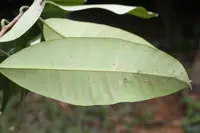
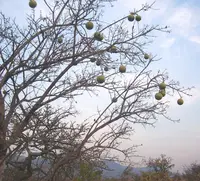
Aspidosperma album is an evergreen tree species from tropical South America, typically found in seasonal forests and savanna-type habitats. It is mainly known in forestry, timber, and ecological contexts rather than as a common houseplant.
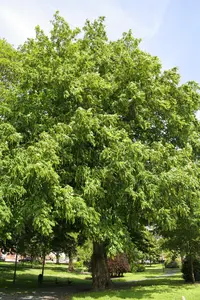
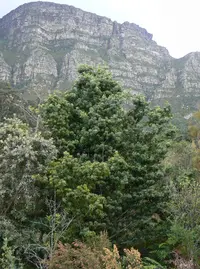
The tree usually develops a straight trunk with a high, rounded crown and simple, leathery leaves. Flowers are small and less showy compared with many ornamental species, and the overall look is more architectural than decorative.
Because it is a large, slow-establishing tree with specific climate needs, it is not an easy choice for beginners or for small urban gardens. Anyone wanting to learn how to care for Aspidosperma album should focus on warm conditions, well-drained soil, and stable moisture without prolonged waterlogging.

Care Difficulty
Moderate Care

Light Preference
Partial Shade

Water Requirements
Moderate Water

Temperature Preference
Warm Climate

Hardiness Zone
Unknown

Soil Texture
Loamy, Sandy, Organic-rich

Soil pH
Slightly acidic (6.5–7.0)

Soil Drainage
Well-drained

Fertilization
Minimal (feed rarely)
Scan your plant to receive care tips personalized for your specific plant
Available on iOS and Android
This tree prefers bright outdoor conditions that mimic open woodland light.
This species prefers evenly moist but not saturated soil once established outdoors.
This species is a warmth-loving tree with low frost tolerance.
This species prefers moderately humid air but adapts to typical indoor levels if not kept too warm.
Aspidosperma album prefers a deep, well-aerated mineral-rich substrate that drains freely yet retains some moisture.
This tree can be grown in large containers for many years if the pot provides sufficient depth and stability.
This species grows naturally in low-fertility soils, so Aspidosperma album benefits from only light, controlled feeding in cultivation.
Pruning Aspidosperma album is mostly structural and sanitary, aimed at maintaining a sound framework and safe clearance.
This tree is usually grown in the ground, so care focuses on correct site transplanting rather than frequent repotting.
Propagation of Aspidosperma album is usually done from seed and requires patience and warm, stable conditions.
This species prefers warm climates and needs protection in regions with frost or prolonged cold.

Plant Health Check
Not sure what's wrong with your plant? Check your plant's health inside the app.
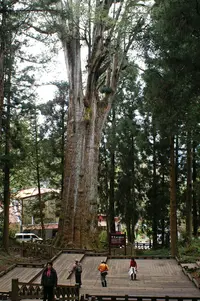
This species is a tall canopy tree native to South American Atlantic and seasonal forests, where mature individuals can dominate the upper layer of the forest and influence light availability for understory plants.
Aspidosperma album has very dense, fine‑textured wood with distinct growth ring boundaries and abundant axial parenchyma, a tissue that helps store water and nutrients and contributes to its mechanical strength.
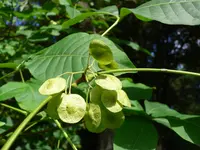
Its seeds are flattened and usually bear a membranous wing, an adaptation for anemochory, meaning they are dispersed by wind from the high forest canopy to more open germination sites.
This tree has a moderate growth rate. Young plants may add 30–60 cm per year in favorable tropical to subtropical climates, slowing as they mature. Growth depends strongly on warmth, moisture availability, and soil fertility.
Keep your plants happy and healthy with plant identification, disease detection, and easy care guidance.