Asplenium hemionitis Care

Asplenium hemionitis

About Asplenium hemionitis

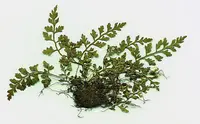
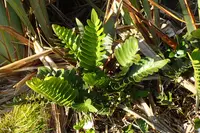
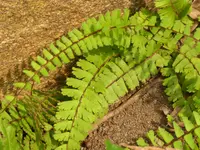
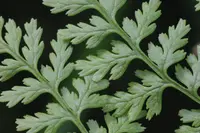
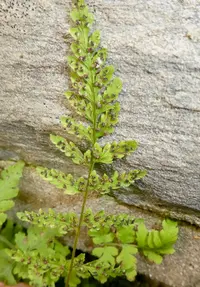
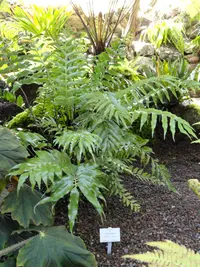
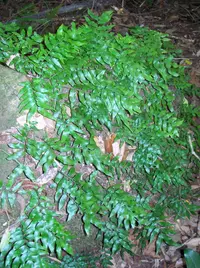
Asplenium hemionitis is a small, compact fern with triangular, leathery fronds that form a neat rosette. It is often grown as a decorative foliage plant. In nature, it occurs in humid, shaded forests, frequently on rocky slopes or among leaf litter, where the soil stays moist but drains well. The plant prefers stable, mild conditions and does not tolerate drying out or harsh light. These traits make it slightly more demanding than common beginner houseplants. Understanding how to care for Asplenium hemionitis helps keep it healthy over the long term, especially in indoor environments with drier air.

Main Plant Requirements

Care Difficulty

Moderate Care

Light Preference

Partial Shade

Water Requirements

Keep Soil Moist

Temperature Preference

Tropical / Frost Sensitive

Hardiness Zone

10–11

Soil Texture

Loamy, Peaty, Organic-rich

Soil pH

Acidic (5.5–6.5), Slightly acidic (6.5–7.0)

Soil Drainage

Moist but well-drained

Fertilization

Light (every 4–6 weeks)

Get Personalized Care Plan

Scan your plant to receive care tips personalized for your specific plant

Available on iOS and Android

How to Care for the Asplenium hemionitis

This fern prefers soft, filtered light that mimics a shaded forest floor.

  • Provide 2–4 hours of gentle morning sun or bright, dappled light under taller plants; avoid direct midday sun that can scorch fronds.
  • Grow Asplenium hemionitis in partial to full shade outdoors, using sheer curtains or distance from south-/west-facing windows if indoors to diffuse light.
  • If fronds pale, elongate, or spacing between fronds increases, light is likely too low; if tips brown or bleach, reduce sun exposure, especially in summer.

This species needs consistently moist but not waterlogged soil for healthy frond growth.

  • Water when the top 1–2 cm of soil feels barely dry, aiming to keep deeper soil slightly damp at all times without saturation.
  • Use a loose, well-draining mix so excess water exits quickly; empty saucers and avoid standing water to reduce root rot risk and sour odor in the soil.
  • In cooler months reduce frequency as growth slows, watching for limp, crisp fronds as a sign of underwatering and blackened, mushy bases as a sign of overwatering.

Stable, mild temperatures support steady growth and reduce stress for this fern.

  • Aim for 65–80°F (18–27°C) during active growth; it performs best without large day–night temperature swings.
  • Protect from cold below 50°F (10°C); brief dips to about 45°F (7°C) may be tolerated but repeated exposure slows growth and can damage fronds.
  • In hot periods above 85°F (29°C), increase shade and humidity and avoid placing the plant near heat sources or hot, reflective walls to prevent leaf scorch.

This fern needs consistently moist air to maintain healthy fronds.

  • Aim for 60–80% humidity; extended levels below 40% cause browning tips and crisp fronds in Asplenium hemionitis.
  • Watch for curled, pale, or static-feeling fronds as signs of chronic low humidity stress.
  • Increase humidity with a nearby humidifier, a clustered plant group, or a pebble tray kept with water below (not touching) the pot base.

This fern prefers a loose, moisture-retentive but fast-draining, organic-rich substrate.

  • Use a mix of roughly 50% peat or coco coir, 30% fine bark, and 20% perlite to balance moisture retention and aeration.
  • Ensure the mix stays evenly moist but never waterlogged; excess fine peat without structure leads to compaction and root decline in Asplenium hemionitis.
  • Target a slightly acidic pH around 5.5–6.5, which supports nutrient availability and healthy root function.
  • Avoid heavy garden soil, unamended clay, or dense compost that dries to a hard crust or holds standing water.

This species adapts well to container culture when moisture and stability are managed carefully.

  • Choose a pot only 2–4 cm wider than the root mass so the mix dries evenly instead of staying wet in unused outer zones.
  • Select a relatively deep container to accommodate its fibrous root system and keep the crown slightly above the rim to prevent water pooling.
  • Use a heavier or ceramic pot if the fronds form a broad canopy, which helps prevent tipping when the substrate is moist.

This fern benefits from light, consistent feeding during active growth but is sensitive to excess salts.

  • Use a balanced liquid fertilizer (around 10-10-10 or 20-20-20) diluted to 1/4–1/2 strength for Asplenium hemionitis.
  • Apply every 4–6 weeks in spring and summer on moist soil, never on dry roots.
  • Skip fertilizer or feed at most once in midwinter for indoor plants with very weak solution.
  • Organic options like dilute compost tea are suitable if filtered to avoid residue on fronds.

Pruning focuses on hygiene and maintaining a neat rosette rather than reshaping the fern.

  • Best time is late winter or early spring before strong new growth begins.
  • Remove dead, yellowing, diseased, or torn fronds of Asplenium hemionitis at the base without cutting the central crown.
  • Thin out severely crowded, old fronds to improve air flow and reduce fungal issues.
  • Use clean, sharp scissors or pruners disinfected with alcohol to limit disease spread.

Container-grown plants benefit from occasional repotting to refresh soil and prevent root congestion.

  • Repot every 2–3 years when roots circle the pot, emerge from drainage holes, or growth slows noticeably.
  • Best timing is early spring so Asplenium hemionitis can recover during the main growing season.
  • Choose a pot only 2–3 cm wider, using loose, peat-free, humus-rich mix with good drainage.
  • Gently tease outer roots, water well after potting, and keep in shaded, stable conditions for 1–2 weeks to reduce stress.

This fern is usually propagated by spore sowing, which is slow and demands stable, clean conditions.

  • Collect mature brown spores from the underside of fronds of Asplenium hemionitis in late summer.
  • Sow spores on sterile, fine, moist peat-based mix, then cover with clear plastic or glass to maintain near-constant humidity.
  • Keep at 68–75°F in bright, indirect light, avoiding direct sun and temperature swings.
  • Expect germination and development into small fernlets over several months; transplant gently once sturdy.

This fern dislikes frost and needs mild, sheltered conditions in winter, especially in containers.

  • Asplenium hemionitis is frost sensitive; maintain indoor or greenhouse temperatures above 50°F.
  • Move pots indoors before nights drop near freezing, placing them in bright, indirect light.
  • Keep soil slightly moist, never waterlogged, while growth is slower in winter.

Care Tips

Frond support check

Inspect older fronds monthly and add a low ring stake or discreet clips if they begin to arch onto the soil surface, which keeps blades dry, improves air movement, and reduces fungal spotting.

Cool root management

Use a cachepot or double-pot setup with a few cm of air gap and, if possible, a light-colored outer pot to keep the root zone slightly cooler and more stable than ambient room swings.

Targeted frond cleaning

Clean dusty fronds by laying the pot sideways and misting gently with lukewarm water, letting runoff drain away, rather than wiping the delicate leaf blades, which bruise easily.

Prevent salt buildup

Every 4–6 weeks flush the potting mix with 2–3 times the pot volume of soft, low-mineral water, then drain fully, to prevent fertilizer salts from burning the fine roots.

Quarantine and scouting

Quarantine new plants for 2–3 weeks and use a hand lens every 7–10 days to inspect the undersides of fronds for scale or mites, since early detection is one of the most effective steps when caring for Asplenium hemionitis.

Common Pests and Diseases

Scale insects

These insects attach to the fronds and stipes, appearing as small brown or tan bumps that cause yellowing, speckling, and a sticky residue. This pest weakens the fern and can lead to frond dieback if populations are high.

Solution

Physically remove affected fronds if heavily infested, and gently scrape or wipe remaining scales off with a cotton swab dipped in isopropyl alcohol. For lighter infestations, wash both sides of the fronds with lukewarm water and a mild insecticidal soap, repeating every 7–10 days until no new scale appears, while keeping the plant out of direct sun during treatment.

Mealybugs

These insects form white, cotton-like clusters in frond bases, on rachises, and along the rhizome, sucking sap and causing stunted growth and distorted new fronds. Symptoms include sticky honeydew and, in severe cases, leaf drop.

Solution

Isolate the plant, then dab visible mealybugs with a cotton swab dipped in isopropyl alcohol and rinse the foliage with lukewarm water afterward. For continued control, use a mild insecticidal soap or horticultural oil spray directed into crevices every 7–10 days, and avoid overfertilizing, which encourages mealybug buildup when growing Asplenium hemionitis indoors.

Fern scale

This pest is a specialized type of scale that targets ferns, appearing as small, flat, often grayish or dark shields along the midribs and undersides of fronds. Symptoms include gradual yellowing, reduced vigor, and poor new frond development.

Solution

Prune and discard heavily infested fronds and gently wipe remaining fronds with a soft cloth moistened with diluted insecticidal soap. Improve air movement around the plant, keep humidity stable but not stagnant, and repeat soap or light horticultural oil applications at 10–14 day intervals until no new scale is seen.

Bacterial leaf spot

This disease produces water-soaked, translucent spots that may turn brown with yellow halos, often starting on older fronds in humid, stagnant air. Symptoms include irregular lesions that can coalesce, causing sections of the frond to collapse.

Solution

Remove and discard affected fronds, avoid wetting the foliage, and water at the base early in the day so surfaces dry before night. Increase air circulation, reduce overcrowding, and keep humidity moderate; in severe or persistent cases, discard the plant to prevent spread to nearby ferns.

Fungal frond blight

This disease causes brown or black necrotic patches that often start at the tips or margins of fronds and spread inward, especially under cool, overly damp conditions. Symptoms include progressive frond death and a general decline in plant appearance.

Solution

Cut off and dispose of all visibly affected frond parts, sterilizing pruning tools between cuts. Allow the top of the growing medium to dry slightly between waterings, improve airflow, avoid overhead watering, and if needed apply a labeled broad-spectrum fungicide suitable for ferns according to package directions, while monitoring new growth for clean tissue.

Interesting Facts

Hemionitis-like frond shape

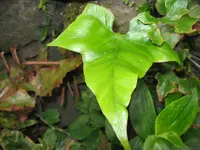
This fern was long confused with members of the former genus Hemionitis because its fronds are simple, heart-shaped to triangular, unlike the finely divided fronds typical of many Asplenium species.

Limestone-associated habitat

In the wild, it often grows on shaded limestone rocks or walls in Mediterranean and Macaronesian regions, showing a preference for mildly alkaline, calcareous substrates instead of the acidic soils many ferns favor.

Dark, wiry stipe

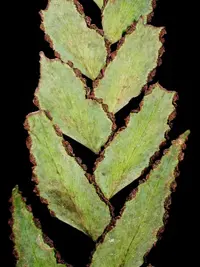
The frond stalks (stipes) are characteristically dark, slender, and wiry, creating a strong visual contrast with the soft, bright green leaf blades and helping distinguish it from similar small ferns.

FAQs about Asplenium hemionitis

This compact fern works well indoors due to its moderate size and attractive heart-shaped fronds. It suits shelves, desks, or shaded windowsills. Asplenium hemionitis indoor care focuses on stable humidity, gentle air circulation, and avoiding direct heat sources.

Grow Healthy Plants with Botan Care

Keep your plants happy and healthy with plant identification, disease detection, and easy care guidance.

Botan plant care app — identify plants on mobile

Explore More Plants