mountain bladderfern Care (Cystopteris montana)

mountain bladderfern

About mountain bladderfern

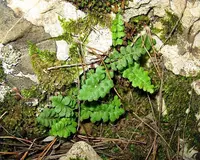
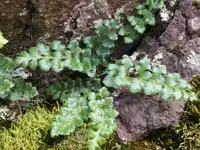
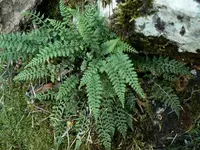
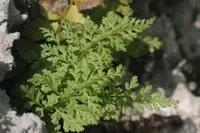
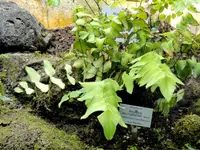
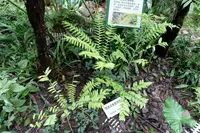
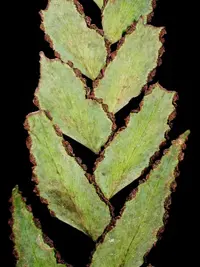
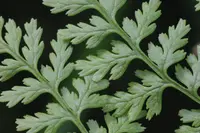
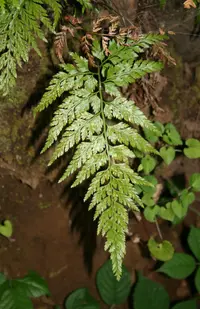
Mountain bladderfern, Cystopteris montana, is a small, delicate deciduous fern found in cool, moist mountain regions of North America and Eurasia. It typically forms loose clumps with finely divided, light green fronds that give a soft, airy look.

In nature it grows on shaded stream banks, rocky slopes, and forest floors where soil stays moist and well drained. Its preference for consistently cool, damp conditions means it can be somewhat challenging outside its native climate, but it remains manageable for growers who research how to care for mountain bladderfern.

This species suits woodland gardens, shaded rock gardens, and naturalistic plantings where competition from aggressive plants is limited.

Main Plant Requirements

Care Difficulty

Moderate Care

Light Preference

Shade

Water Requirements

Keep Soil Moist

Temperature Preference

Cold Hardy

Hardiness Zone

3–7

Soil Texture

Loamy, Silty, Organic-rich

Soil pH

Strongly acidic (4.5–5.5), Acidic (5.5–6.5)

Soil Drainage

Moist but well-drained

Fertilization

Minimal (feed rarely)

Get Personalized Care Plan

Scan your plant to receive care tips personalized for your specific plant

Available on iOS and Android

How to Care for the mountain bladderfern

This shade-loving fern thrives in cool, moist woodland light rather than direct sun.

  • Provide dappled or filtered light with 0–2 hours of weak morning sun and no harsh afternoon sun to prevent frond scorch.
  • Grow mountain bladderfern in partial to full shade under trees, rocks, or north/east exposures, mimicking a forest floor environment.
  • In summer, increase shade or use overhead cover; in early spring or fall, brief low-angle sun is tolerated, but direct midday sun should be avoided.

This species prefers consistently moist, cool soil that never dries out completely.

  • Water whenever the top 1–2 cm of soil feels just barely moist, not dry, aiming to keep the root zone evenly damp.
  • Use humus-rich, well-drained soil so water moves through but the surface does not become cracked or powdery, which signals underwatering.
  • Reduce watering slightly in cool fall–winter conditions, but never let Cystopteris montana sit in stagnant water or stay waterlogged, which leads to root rot.

This hardy fern is adapted to cool, moist habitats and tolerates significant cold.

  • Optimal growth occurs around 50–68°F (10–20°C), typical of cool woodland and streamside microclimates.
  • Established plants survive down to about 5–14°F (-15 to -10°C) under snow cover or mulch, with fronds dying back and rhizomes overwintering.
  • Heat above 77°F (25°C), especially with dry air, stresses the plant, so use extra shade and moisture during hot spells and avoid reflected heat from stone or pavement.

This fern prefers consistently moist air similar to a cool, shaded woodland floor.

  • Aim for 60–80% humidity; it tolerates brief dips but struggles in persistently dry, heated rooms.
  • Crisping leaflet edges, pale fronds, and stalled growth indicate humidity stress in mountain bladderfern.
  • Increase humidity with a pebble tray under the pot, grouping with other ferns, or running a small cool-mist humidifier nearby.

This species prefers loose, humus-rich, consistently moist soil that never turns waterlogged.

  • Use a mix of 50–60% peat or coco coir, 20–30% fine compost, and 20–30% perlite or fine bark for structure and drainage.
  • Aim for slightly acidic soil, around pH 5.5–6.5, to match the conditions Cystopteris montana experiences in mountain forests.
  • Ensure the mix feels soft and crumbly; add extra perlite or fine bark if water pools on the surface or the pot feels heavy for long periods.
  • Avoid dense clay, unamended garden soil, or mixes with high sand content that either hold water too tightly or dry out rapidly.

This fern can grow in containers if moisture and root conditions stay consistently cool and stable.

  • Choose a wide, shallow container that allows the fibrous roots to spread horizontally rather than forcing them deep.
  • Select a thick-walled ceramic or clay pot to buffer temperature swings and keep the root zone cooler in summer.
  • Raise the container slightly on feet or spacers so excess water drains quickly and does not reabsorb into the lower drainage holes.

This fern grows in nutrient-rich forest soils and needs only light supplemental feeding in cultivation.

  • Use a diluted balanced liquid fertilizer (around 10-10-10 or similar) at 1/4–1/2 strength for Cystopteris montana in containers.
  • Apply during the active growing season every 4–6 weeks if growth appears weak or foliage pale.
  • Avoid feeding in winter dormancy and keep fertilizer off the fronds to prevent burn.
  • For in-ground plants, a thin layer of leaf mold or compost in spring is usually sufficient.

Pruning needs for Cystopteris montana are minimal and focus on hygiene rather than shaping.

  • Best time for cleanup is late winter or early spring before new fronds unfurl.
  • Remove dead, diseased, or badly damaged fronds at the base using clean, sharp scissors or pruners.
  • Thin out heavily crowded, congested fronds only if air circulation is poor or mold appears.
  • Light pruning maintains a tidy clump but does not significantly change overall growth habit.

This woodland fern is more often transplanted in the garden than grown long-term in containers.

  • Transplant or shift a potted clump in early spring or early fall when temperatures are mild.
  • Look for roots circling the container, dry-out between waterings, or slowed growth as signs it is pot-bound.
  • Move to a slightly larger pot or new site with cool, moist, humus-rich soil, disturbing roots as little as possible.
  • Water thoroughly after transplanting, shade from strong sun for 1–2 weeks, and keep soil evenly moist to reduce stress.

Division is the most practical method for increasing Cystopteris montana in cultivation.

  • Divide established clumps in early spring just as new fronds emerge, or in early fall in mild climates.
  • Lift the plant carefully, then separate the rhizome into small sections, each with healthy roots and several buds.
  • Replant divisions at the same depth in loose, consistently moist, humus-rich soil and water well.
  • Maintain cool temperatures, high humidity, and light shade to support rooting and recovery.

This fern is cold hardy in many temperate regions and usually needs only modest winter attention outdoors.

  • Established in-ground plants tolerate frost and snow once rooted in suitable woodland conditions.
  • Apply a light mulch of leaves or compost around the crown in late fall to buffer freeze-thaw cycles.
  • Container-grown plants benefit from moving into a sheltered, unheated but frost-free spot with moist, not wet, soil.

Care Tips

Cool root zone

Mulch lightly with fine bark or leaf mold around, but not over, the crowns to keep the shallow roots cool and evenly moist during warm spells, especially in continental summers.

Gentle division timing

If clumps become crowded, lift and divide only in early spring while fronds are just emerging, then replant divisions immediately at the same depth and shade them for 1–2 weeks to reduce transplant shock.

Rock crevice planting

In colder or wetter regions, tuck plants into north- or east-facing rock crevices or between stable stones to provide sharp drainage and physical protection for the delicate fronds.

Snow and frost protection

In areas with freeze–thaw cycles but unreliable snow cover, place loose evergreen boughs or breathable horticultural fleece over the planting to buffer temperature swings and protect dormant crowns.

Slug and snail management

Protect young unfurling fronds with physical barriers like copper tape or gritty mulch and use targeted traps set just outside the fern patch, since tender new growth is especially attractive to mollusks when growing mountain bladderfern.

Common Pests and Diseases

Fern aphids

This pest feeds on tender fronds and rachises, sucking sap and causing distortion, curling, and pale, weakened growth. Symptoms include sticky honeydew on fronds, sometimes followed by sooty mold on the residue.

Solution

Rinse infested fronds with a firm stream of water and remove heavily distorted tissue. For persistent colonies, use an insecticidal soap or dilute horticultural oil, applied thoroughly to both upper and lower leaf surfaces and repeated at 5–7 day intervals until new growth appears clean.

Slugs and snails

These insects are actually mollusks that rasp soft fern tissue, leaving irregular holes and shredded edges, especially on young fronds. Symptoms include slime trails on soil and fronds, and damage concentrated at night or in damp, shaded spots.

Solution

Hand-pick slugs and snails in the evening or early morning and remove hiding places such as dense debris around the crown. For continued problems, set out iron phosphate bait or simple beer traps placed just outside the planting to reduce numbers while maintaining the consistently moist soil that Cystopteris montana care instructions usually require.

Fern rust

This disease is caused by rust fungi that infect fronds, producing small yellow to orange or brown pustules on the undersides. Symptoms include premature browning and drop of affected fronds under warm, moist conditions.

Solution

Promptly remove and dispose of infected fronds to reduce spore spread and avoid overhead watering that keeps foliage wet. Improve air circulation around plants with careful thinning, and if the issue recurs, use a labeled fungicide for ornamental ferns, applied according to instructions at the first sign of new pustules.

Leaf spot complex

This disease group includes several fungal and bacterial pathogens that cause small water-soaked or dark spots on fronds, which may enlarge, merge, and lead to partial blighting. Symptoms include tan or brown lesions often with darker margins along pinnae and tips.

Solution

Cut off and discard affected fronds, sterilizing tools between cuts, and keep foliage as dry as possible by watering at soil level. Reduce crowding around the fern and improve drainage at the planting site; in persistent or severe cases, a preventive copper-based fungicide can be used sparingly on emerging fronds.

Interesting Facts

Alpine stream specialist

This fern typically grows along cold mountain streams and wet ravines in boreal and subalpine forests, often rooting in mossy, constantly moist soils close to melting snow or seepage water.

Delicate but cold-hardy

Despite its very thin, almost translucent fronds, this species tolerates long, cold winters and late snow cover in its native northern and high-elevation habitats.

Circumboreal distribution pattern

The species has a circumboreal range, occurring in cool, mountainous regions across parts of North America, Europe, and Asia, which reflects an adaptation to consistently cool, moist climates rather than to any single continent.

FAQs about mountain bladderfern

This species spreads slowly by short rhizomes and spores and is not considered aggressive in most gardens. It forms loose clumps rather than dense carpets, so it usually coexists well with other shade-loving woodland plants.

Grow Healthy Plants with Botan Care

Keep your plants happy and healthy with plant identification, disease detection, and easy care guidance.

Botan plant care app — identify plants on mobile

Explore More Plants