Tennessee bladderfern Care (Cystopteris tennesseensis)

Also known as: Tennessee bulblet fern
Tennessee bladderfern

About Tennessee bladderfern

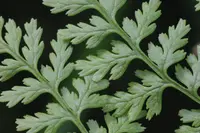
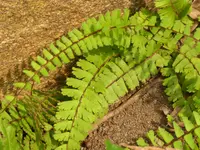
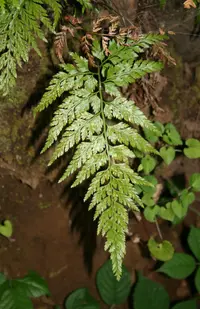
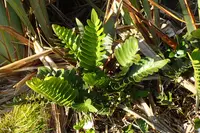
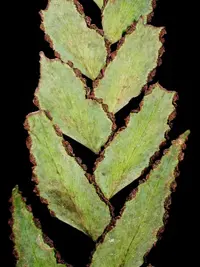
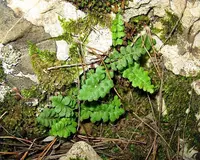
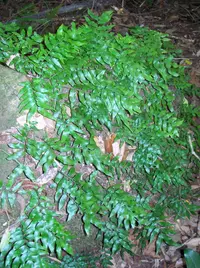
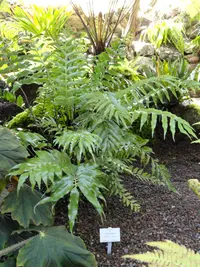
Tennessee bladderfern, Cystopteris tennesseensis, is a small deciduous fern native to shaded limestone cliffs and rocky woods in parts of the southeastern United States. It forms loose clumps of delicate, finely divided fronds that arch outward and give a soft, airy look.

This species prefers cool, moist, sheltered sites and thrives in crevices or well-drained, humus-rich soil with consistent moisture. It suits woodland gardens and shaded rock gardens where competition from aggressive plants is low.

Because it dislikes heat, drought, and disturbed soil, it can be somewhat challenging outside its natural range. Gardeners who learn how to care for Tennessee bladderfern often find it rewarding in carefully chosen microclimates.

Main Plant Requirements

Care Difficulty

Moderate Care

Light Preference

Shade

Water Requirements

Keep Soil Moist

Temperature Preference

Cool Climate

Hardiness Zone

5–8

Soil Texture

Loamy, Silty, Organic-rich

Soil pH

Acidic (5.5–6.5)

Soil Drainage

Moist but well-drained

Fertilization

Minimal (feed rarely)

Get Personalized Care Plan

Scan your plant to receive care tips personalized for your specific plant

Available on iOS and Android

How to Care for the Tennessee bladderfern

This woodland fern prefers soft, filtered light that mimics a shaded stream bank.

  • Provide bright shade or dappled light with 1–3 hours of gentle morning sun and no direct hot afternoon sun.
  • Site Tennessee bladderfern under deciduous trees, on a north or east side, or where it receives constant filtered light.
  • Watch fronds for bleaching, crisp edges, or stunted growth, which indicate too much sun or, less often, very deep shade.

This fern prefers consistently moist, cool soil without staying waterlogged.

  • Water when the top 2–3 cm of soil feel slightly dry, aiming for evenly damp soil that never becomes cracked or dusty.
  • In summer, increase checks during hot, dry spells; in cooler or rainy seasons, rely more on natural rainfall and reduce added water.
  • Yellowing, limp fronds and sour-smelling soil suggest overwatering, while crisping tips and drooping fronds signal the need for deeper moisture for Cystopteris tennesseensis.

This species is a hardy fern that tolerates cool climates but dislikes extreme heat or sudden temperature swings.

  • Active growth is strongest around 55–75°F (13–24°C), with cool, moist air helping fronds stay lush.
  • It tolerates winter cold down to about 0°F (−18°C) when planted in the ground with mulch protecting the root zone.
  • In hot weather above 85°F (29°C), provide extra shade and moisture, since sustained heat can cause frond scorch and earlier dormancy.

This fern needs consistently moist air to thrive and dislikes prolonged dry indoor conditions.

  • Aim for 50–70% humidity; below 40% often leads to crisping fronds and brown tips.
  • Watch for curled pinnae and slow new frond expansion as early signs of humidity stress.
  • Increase humidity with a pebble tray under the pot, grouped plants, or a cool-mist humidifier placed nearby.

Provide loose, moist, humus-rich soil that mimics a shaded, rocky woodland slope.

  • Use a mix of 50–60% composted leaf mold or peat-free compost, 20–30% fine bark, and 20% coarse sand or small grit for structure.
  • Ensure sharp drainage, allowing water to move quickly through while the organic fraction holds consistent moisture without waterlogging.
  • Maintain slightly acidic to neutral pH around 6.0–7.0, avoiding strongly alkaline substrates that can limit nutrient uptake.
  • For Cystopteris tennesseensis, avoid heavy clay or compacted mixes; add extra grit or perlite to improve aeration around fine roots.

This species can adapt to container growing if moisture and root conditions remain stable.

  • Choose a deep, narrow pot that allows its fibrous roots to anchor while reducing surface evaporation from the mix.
  • Use a heavier pot material, such as ceramic, to keep the container stable on shaded slopes or uneven outdoor surfaces.
  • Raise the container slightly on pot feet so drainage holes stay clear and runoff does not reabsorb into the lower mix.

This native fern grows well in lean soils and usually needs only light feeding in cultivation.

  • Use a diluted balanced liquid fertilizer (around 10-10-10) at 1/4–1/2 strength during active growth in spring–summer.
  • Apply no more than every 4–6 weeks if soil is low in organic matter; skip feedings in rich woodland beds.
  • Avoid fertilizing during winter dormancy to prevent weak, overly soft fronds.
  • Prioritize compost or leaf mold as a top-dressing to mimic natural forest conditions for Tennessee bladderfern.

Cystopteris tennesseensis benefits from simple cleanup rather than structural pruning.

  • Best time for grooming is late winter to early spring, before new fronds unfurl.
  • Remove dead, damaged, or diseased fronds at the base using clean, sharp scissors or hand pruners.
  • Thin out crowded, smothered fronds to improve air flow and reduce disease pressure.
  • Pruning mainly maintains tidiness and plant health, with little effect on overall shape.

This fern is usually grown in shaded beds, so focus on gentle transplanting rather than frequent repotting.

  • Transplant in early spring or early fall, when temperatures are mild and soil stays evenly moist.
  • Move plants only when growth slows, clumps become crowded, or fronds show stress despite adequate care.
  • Lift the clump with a wide root ball, disturbing roots as little as possible and keeping soil around them.
  • Replant at the same depth in a cool, moist, humus-rich site, then water thoroughly and shade from direct sun for 1–2 weeks.

Propagation of this species is possible but more specialized than many garden ferns.

  • Division of established clumps in early spring is the most practical method for gardeners.
  • Lift the plant carefully, then separate small sections, each with healthy rhizomes and several fronds or buds.
  • Replant divisions into moist, humus-rich, shaded soil and keep consistently damp until re-established.
  • Spore propagation requires sterile, consistently warm and humid conditions and is usually done by specialists.

This woodland fern is cold hardy in much of its native range and usually needs minimal winter attention.

  • Tolerates typical frost in USDA zones where it is native, as long as soil drains well.
  • Allow fronds to die back naturally; they can insulate the crown over winter.
  • In colder or exposed sites, add a 3–5 cm layer of leaf mulch around the root zone.
  • Container-grown plants in colder regions can be overwintered in a frost-free but cool, shaded spot.

Care Tips

Shield From Wind

Site the fern in a sheltered spot behind rocks, logs, or other plants to protect its delicate fronds from wind that can cause rapid desiccation and tearing.

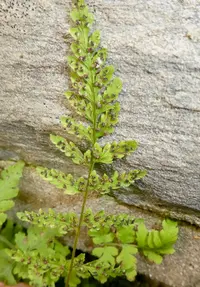
Rock-Crevice Planting

When possible, tuck the rootstock into a narrow rock crevice or between stacked stones with moist organic material, which mimics its natural limestone ledge habitat and stabilizes the shallow roots.

Calcareous Mulch Use

Top-dress lightly each year with crushed limestone fines or limestone gravel mixed with leaf mold to maintain a mildly alkaline, calcium-rich microzone around the crown.

Summer Drought Buffer

In regions with hot, dry summers, create a slight depression or basin around the plant within the planting pocket so hand-watering penetrates deeply and does not run off shallow rocky substrates.

Monitor Spore Spread

Allow some mature fronds to release spores onto nearby suitable rock pockets or crevices to establish a small colony, which creates a more resilient planting when growing Tennessee bladderfern.

Common Pests and Diseases

Fern aphids

These insects feed on the soft tissues of young fronds and rachises, causing distortion, puckering, and reduced vigor in clumps of Tennessee bladderfern. This pest is most often seen on plants growing in sheltered, humid ravines where air movement is low.

Solution

Rinse colonies from fronds with a firm stream of water and remove heavily infested or distorted fronds. For persistent infestations, use a ready-to-use insecticidal soap or neem oil spray, applied to both upper and lower leaf surfaces during cool parts of the day, and improve air movement around planting sites when possible.

Fern scale

This pest appears as small, flat, often brown or gray bumps along stipes and lower leaf surfaces, drawing sap and leading to yellowing and premature frond decline. This pest tends to build up on older, shaded clumps and on plants growing close to rock faces where air circulation is poor.

Solution

Prune out and dispose of heavily encrusted fronds, then gently scrub remaining scale with a soft brush or cloth dipped in dilute soapy water. Follow with targeted treatment using horticultural oil, carefully coating affected areas without saturating the soil, and repeat at label intervals to catch newly emerged crawlers.

Rhizoctonia crown rot

This disease causes gradual thinning of the fern crown, with stunted, weak fronds that may yellow and collapse from the base while roots and rhizomes show brown, sunken lesions. Symptoms include most damage in sites with warm, poorly drained, organic-rich soils and dense leaf litter trapped around the crown.

Solution

Remove and discard all affected fronds and crown material, carefully loosening and thinning surrounding litter to keep the crown just exposed and able to dry between waterings. Improve drainage and airflow by adjusting planting depth, spacing, and mulch thickness, and in heavily affected patches consider replanting divisions into a better-drained, cooler microsite and avoiding overhead irrigation.

Pythium damping-off

This disease affects young Tennessee bladderfern plants and sporelings, causing blackened, water-soaked bases and rapid collapse of small fronds, especially in propagation trays or newly established plantings. Symptoms include greatest losses where substrates remain saturated and cool for long periods.

Solution

Discard severely affected young plants and allow media to dry slightly between waterings, keeping it evenly moist rather than wet. Use clean pots and a well-drained, fine-textured substrate, water early in the day, and if disease has appeared before, consider a labeled biological fungicide drench at sowing or transplanting to reduce pathogen pressure.

Leaf spot complex

This disease group produces scattered tan to dark-brown spots or blotches on pinnae, sometimes with lighter centers and dark margins, which can merge and cause partial frond dieback. This disease is favored by prolonged leaf wetness from overhead watering or constant splash in narrow rock channels and seepages.

Solution

Remove and dispose of heavily spotted or dying fronds to reduce inoculum, and avoid wetting foliage when watering by applying water at soil level or upslope from the clump. Increase spacing and airflow, limit dense overhead vegetation that traps moisture, and in repeatedly affected sites consider a targeted fern-safe fungicide applied preventively during extended wet periods as part of broader Cystopteris tennesseensis care instructions.

Interesting Facts

Hybrid origin species

This fern is believed to have originated as a natural hybrid between Cystopteris protrusa and Cystopteris bulbifera, then stabilized as its own distinct species recognized by consistent morphology and chromosome behavior.

Calcareous rock specialist

In nature, it is usually found on moist, shaded limestone or other calcium-rich rock outcrops, often growing in thin soil pockets or rock crevices where many other ferns cannot persist.

Restricted Appalachian range

The species is narrowly distributed in parts of the southeastern United States, especially the Cumberland Plateau and nearby Appalachian regions, and is considered regionally rare or of conservation concern in several states.

Botan icon

Did you know?

Cystopteris tennesseensis was only formally described in the late 20th century after detailed cytological and morphological studies showed that Appalachian plants once confused with other Cystopteris species were in fact a distinct, previously unrecognized fern.

FAQs about Tennessee bladderfern

This species is typically deciduous, dying back to the rhizome in winter and re-emerging in spring. In mild, consistently moist, sheltered sites, fronds may persist longer, but it is not reliably evergreen in most climates.

Grow Healthy Plants with Botan Care

Keep your plants happy and healthy with plant identification, disease detection, and easy care guidance.

Botan plant care app — identify plants on mobile

Explore More Plants