Paranako Care (Asplenium obtusatum)

Also known as: Shore Spleenwort
Paranako

About Paranako

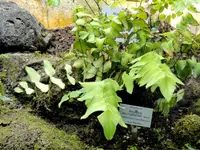
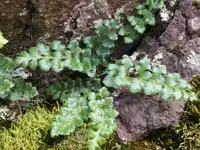
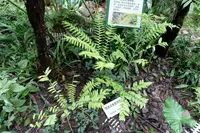
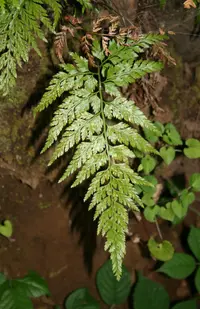
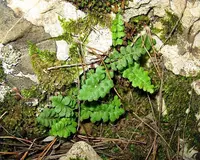
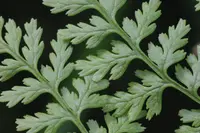
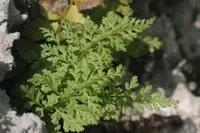
Paranako, Asplenium obtusatum, is a compact, leathery fern native to coastal regions of New Zealand and some southern Pacific islands. It often grows on rocky cliffs and in salty, wind-exposed habitats. The plant forms dense rosettes of thick, glossy, dark green fronds that are more rigid than many common indoor ferns. This tough foliage and its slow, steady growth habit make it relatively resilient in home conditions. It prefers cool to mild temperatures, consistent moisture, and a loose, humus-rich mix that drains well. Once its need for even moisture and moderate, indirect light is understood, it is straightforward to care for Paranako.

Main Plant Requirements

Care Difficulty

Moderate Care

Light Preference

Partial Shade

Water Requirements

Keep Soil Moist

Temperature Preference

Cool Climate

Hardiness Zone

8–10

Soil Texture

Loamy, Peaty, Organic-rich

Soil pH

Acidic (5.5–6.5)

Soil Drainage

Moist but well-drained

Fertilization

Minimal (feed rarely)

Get Personalized Care Plan

Scan your plant to receive care tips personalized for your specific plant

Available on iOS and Android

How to Care for the Paranako

This coastal fern prefers soft, filtered light that mimics a bright forest floor.

  • Provide bright, indirect light or light dappled shade, with at most 1–2 hours of gentle morning sun; avoid harsh midday and afternoon sun to prevent frond scorch.
  • Tolerates partial to full shade, but in deep shade fronds become sparse and elongated, signaling that the plant needs a brighter position.
  • Outdoors, site Paranako where nearby shrubs or trees filter light; in summer shift slightly deeper into shade, in winter allow more open, indirect exposure.

This fern prefers consistently moist conditions without waterlogging.

  • Water when the top 2–3 cm of soil feels barely dry to the touch; the root zone beneath should stay evenly moist but never saturated or soupy.
  • Use a free-draining, humus-rich substrate; in heavy soils, improve drainage with fine bark or leaf mold to reduce standing water around the rhizomes of Asplenium obtusatum.
  • Yellowing, soft fronds often indicate overwatering or poor drainage, while crisp, browning tips and drooping fronds suggest the plant has been allowed to dry too far between soakings.

This species prefers mild, oceanic-type temperatures with little extreme heat or cold.

  • Aim for 55–75°F (13–24°C) for steady growth; short peaks to 80°F (27°C) are tolerated if humidity is moderate and the root zone stays moist.
  • It can survive brief drops to around 30–32°F (-1–0°C) once established, but foliage damage is likely; prolonged freezing below 28°F (-2°C) endangers the plant.
  • In hot summers above 80–85°F (27–29°C), give extra shade and moisture; in cooler seasons, protect from frost pockets and drying cold winds, especially in exposed garden sites.

This fern prefers consistently moist air and reacts quickly to very dry conditions.

  • Aim for 50–70% humidity to keep fronds thick and glossy.
  • Tolerates brief dips to 40%, but frond tips may brown or curl and new growth may stall if air stays too dry.
  • Increase humidity by grouping plants, using a pebble tray, or placing Paranako away from heating vents or strong drafts.

Asplenium obtusatum benefits from loose, moisture-retentive but well-drained substrate.

  • Use a peat- or coco-based mix with fine bark and perlite to create a fibrous, airy structure that holds moisture without becoming heavy.
  • Ensure fast drainage; water should pass through within seconds, leaving the mix evenly damp but not waterlogged.
  • Aim for slightly acidic to neutral pH around 5.5–7.0, which supports nutrient uptake and healthy root function.
  • Avoid compacted garden soil, heavy clay, or dense compost that can suffocate roots and promote rot.

This species grows well in containers when the pot supports its fibrous root system and spreading fronds.

  • Choose a low, broad container that matches the outward spread of the fronds to reduce tipping risk and expose the crown to air.
  • Use a pot material with moderate moisture retention, such as glazed ceramic or thick plastic, to prevent rapid drying of the shallow root zone.
  • Raise the pot slightly on feet or pot risers so excess water exits freely and the drainage holes do not sit in a saucer puddle.

Asplenium obtusatum grows steadily with modest feeding rather than heavy fertilization.

  • Use a balanced liquid fertilizer (around 10-10-10) at 1/4–1/2 strength for Paranako during active growth in spring–summer.
  • Apply every 4–6 weeks, always onto moist soil to avoid root burn.
  • Skip synthetic feeding in winter and rely on minimal nutrition from fresh potting mix or a thin layer of compost.
  • Avoid slow-release pellets that may deliver too much salt in small indoor containers.

Asplenium obtusatum needs only light pruning focused on hygiene rather than reshaping.

  • Best time for any clean-up is late winter to early spring, before strong new growth.
  • Remove dead, yellowing, or damaged fronds at the base with clean, sharp scissors or pruners.
  • Thin out badly crowded or deformed fronds to improve air flow and reduce fungal issues.
  • Avoid cutting into the central crown, since this can stunt new frond production.

This fern prefers stable conditions, so repotting or transplanting is done only when necessary.

  • Check for roots circling the pot, pushing through drainage holes, or slowed growth as signs it needs more space.
  • Plan to repot every 2–3 years in spring, moving up just 2–5 cm in pot diameter with a loose, organic fern mix.
  • Lift the plant gently, keep the root ball mostly intact, and only tease apart severely circling roots to reduce stress.
  • Water thoroughly after repotting and keep in shaded, draft-free conditions for 1–2 weeks while it re-establishes.

Division is the most practical method for propagating Asplenium obtusatum at home.

  • Carry out division in spring when new growth begins and the plant is actively recovering.
  • Remove the fern from its pot and gently separate natural clumps, keeping several healthy fronds and roots on each section.
  • Plant divisions into small pots with moist, airy fern substrate and firm them in lightly.
  • Maintain high humidity, indirect light, and consistently moist (not waterlogged) soil until strong new fronds appear.

Asplenium obtusatum prefers mild, frost-free winters and benefits from some protection in colder regions.

  • In USDA zones below 9, grow it in containers so it can be moved indoors before frost.
  • Maintain indoor temperatures around 55–70°F with bright, indirect light and stable humidity.
  • If grown outdoors in mild climates, add a light mulch layer to insulate the root zone from short cold snaps.

Care Tips

Prevent frond lodging

Rotate the pot 1–2 times per month so the fronds do not lean in one direction and, if the rosette becomes heavy, use a low, wide clay pot to stabilize the crown and reduce the risk of it tipping over.

Protect the crown

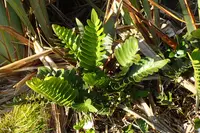
When top-dressing or adding mulch, keep all material at least 1–2 cm away from the central crown so new fronds can emerge cleanly and the base does not stay constantly wet and prone to rot.

Salt and fluoride management

Use low-mineral or filtered water and flush the pot thoroughly every 2–3 months to prevent salt and fluoride buildup, which can cause brown tips and edges on the fronds.

Careful cleaning method

If dust accumulates, clean fronds using a soft brush or a brief lukewarm shower rather than wiping, since the fronds bruise easily and mechanical damage often appears later as brown patches.

Seasonal growth checks

At the end of winter, inspect the root system by gently sliding the root ball out of the pot; if the roots circle tightly or fill the pot, repot 1 size up before the main spring flush, which supports healthy growing Paranako without stressing the crown.

Common Pests and Diseases

Scale insects

This pest attaches to frond midribs and undersides, appearing as small brown or tan bumps and causing yellowing, weak fronds over time.

Solution

Remove visibly infested fronds if heavily covered, then gently wipe remaining fronds with a cotton pad dipped in diluted alcohol (spot test first) or insecticidal soap, repeating every 7–10 days until new growth is clean. Improve air movement around the fern and avoid overfertilizing, which can encourage soft, vulnerable growth.

Mealybugs

These insects produce white, cottony clusters in frond bases and along midribs, leading to distorted new fronds and sticky honeydew deposits.

Solution

Isolate the plant, then dab visible mealybugs with cotton buds dipped in alcohol and rinse the fronds with lukewarm water to dislodge hidden insects. Follow up with 2–3 applications of insecticidal soap or neem oil at 7–10 day intervals, focusing on crown crevices where they hide.

Fern scale

This pest forms flat, oval, often gray or brown scales tightly attached to the frond surface, causing a dull, chlorotic appearance and gradual frond decline.

Solution

Prune and discard the most affected fronds, then treat remaining foliage with a labeled horticultural oil, ensuring thorough coverage of both frond surfaces and the crown. Repeat treatment according to label directions and monitor new fronds closely, as young crawlers are the most susceptible stage.

Bacterial blight

This disease produces water-soaked, translucent patches on fronds that turn dark brown or black, often with irregular margins that expand in humid, stagnant air.

Solution

Remove and destroy all affected fronds, avoid splashing water on foliage, and water the soil surface instead. Increase airflow around the plant, lower humidity slightly if very high, and use a copper-based bactericide only if the problem continues to spread.

Leaf spot

Symptoms include small brown to black spots that may merge into larger patches, sometimes surrounded by a lighter halo on older fronds.

Solution

Cut off and dispose of spotted fronds, then allow the soil surface to dry slightly between waterings while keeping the root zone evenly moist. Improve air circulation, avoid overhead watering, and if new spots continue to appear, apply a fern-safe fungicide according to label directions as part of broader Asplenium obtusatum plant care.

Interesting Facts

Thick, leathery fronds

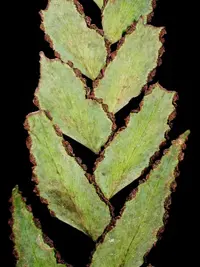
This coastal fern develops unusually thick, leathery fronds that resist salt spray and desiccating winds, an adaptation that helps it survive exposed seashore habitats in New Zealand and nearby islands.

Natural cliff colonizer

It often grows tightly wedged into rock crevices and coastal cliffs, where its short, sturdy rhizome anchors it against strong winds and occasional wave splash.

Salt-tolerant distribution

Wild populations are concentrated along sea coasts and offshore rocks, showing a clear ecological preference for mildly saline, maritime conditions that many other ferns cannot tolerate.

Botan icon

Did you know?

This species is one of the few ferns that naturally forms low, compact clumps only a few cm tall in extremely exposed coastal sites, making it a characteristic feature of New Zealand’s sea-spray zone rather than the shaded forest environments typical of most ferns.

FAQs about Paranako

Brown tips or edges usually result from low humidity, excess fertilizer salts, or inconsistent watering. Check that the root zone stays lightly moist, flush the potting mix occasionally, and increase ambient humidity to reduce further browning.

Grow Healthy Plants with Botan Care

Keep your plants happy and healthy with plant identification, disease detection, and easy care guidance.

Botan plant care app — identify plants on mobile

Explore More Plants