lobed spleenwort Care (Asplenium pinnatifidum)

Also known as: pinnatifid spleenwort
lobed spleenwort

About lobed spleenwort

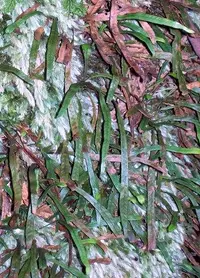
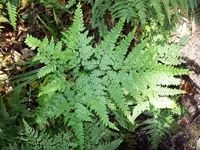
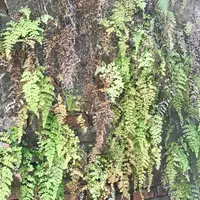
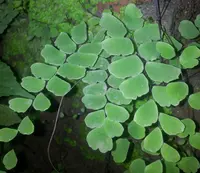
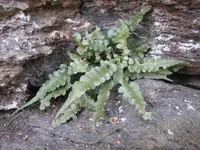
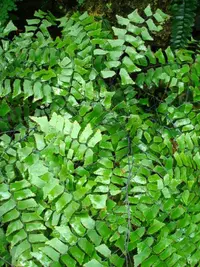
Lobed spleenwort, Asplenium pinnatifidum, is a small evergreen fern native to rocky outcrops and limestone cliffs in eastern North America. It often grows in crevices and shaded rock faces, forming loose clumps of narrow, lobed fronds.

The fronds have a simple, clean outline with shallow side lobes, giving a delicate but not feathery look. Plants stay compact and low, which makes them suitable for shaded rock gardens, troughs, or carefully controlled indoor displays.

This fern prefers cool, humid, consistently moist conditions and well-drained, gritty, lime-rich substrates. It can be sensitive to drying out or excess heat, so learning how to care for lobed spleenwort is important for long-term success.

Main Plant Requirements

Care Difficulty

Moderate Care

Light Preference

Partial Shade

Water Requirements

Keep Soil Moist

Temperature Preference

Cool Climate

Hardiness Zone

5–8

Soil Texture

Loamy, Rocky, Organic-rich

Soil pH

Strongly acidic (4.5–5.5), Acidic (5.5–6.5)

Soil Drainage

Moist but well-drained

Fertilization

Minimal (feed rarely)

Get Personalized Care Plan

Scan your plant to receive care tips personalized for your specific plant

Available on iOS and Android

How to Care for the lobed spleenwort

This fern prefers soft, woodland-style light rather than direct, intense sun.

  • Provide bright filtered light or dappled shade, such as under shrubs or open tree canopies, with 2–4 hours of gentle morning sun if possible.
  • Allow partial to full shade in hotter regions; in cooler climates, light open shade helps lobed spleenwort maintain compact growth without bleaching.
  • Avoid strong midday or afternoon sun, which can scorch fronds and dry rocky substrates; increase light slightly in winter as deciduous canopy opens.

This fern needs consistently moist but not waterlogged conditions around its roots and rhizomes.

  • Aim for evenly damp soil or crevice media; let only the top 1–2 cm feel slightly less moist before watering again, especially in shallow rocky sites.
  • Increase monitoring in hot, dry weather; drooping, crisping frond tips indicate underwatering, while blackened bases or a sour smell point to overwatering or poor drainage.
  • Use sharply draining, humus-rich, gritty soil so water moves through quickly; avoid standing water around Asplenium pinnatifidum to reduce root and rhizome rot.

This species is a cool- to mild-temperate fern with moderate tolerance to heat and cold.

  • Optimal growth occurs around 60–75°F (16–24°C), with steady moisture and shelter from drying winds that can desiccate fronds.
  • Mature plants usually tolerate short dips near 20°F (−6°C) if rooted in well-drained rock crevices, but repeated hard freezes with saturated soil increase damage risk.
  • In summer, temperatures up to 85–90°F (29–32°C) are tolerated if shade and moisture are reliable; above this, protect from hot rock surfaces and drying exposure.

This fern needs consistently moist air to stay healthy indoors or in sheltered outdoor spots.

  • Aim for 50–70% humidity to prevent frond tips from drying and curling.
  • It tolerates brief dips into drier air but prolonged <40% humidity leads to browning edges and stalled growth.
  • Increase humidity with a pebble tray, grouped plants, or a room humidifier rather than misting directly onto fronds.

This fern prefers a loose, humus-rich mix that stays evenly moist but never waterlogged.

  • Use a blend of 50% peat or coco coir, 25% fine bark, and 25% perlite for moisture retention with air spaces.
  • Ensure very quick drainage; water should exit the pot within seconds, not sit pooled on the surface.
  • Target slightly acidic conditions around pH 5.5–6.5, similar to woodland leaf litter soils.
  • Avoid heavy clay, compacted mixes, or pure garden soil, which reduce aeration and promote root or rhizome rot in Asplenium pinnatifidum.

This species adapts well to container growing when moisture and drainage are carefully balanced.

  • Choose a relatively shallow but wide pot so the creeping rhizomes can spread without deep, soggy soil.
  • Select a breathable material such as unglazed terracotta if the plant sits in a humid spot, to prevent stagnant moisture.
  • Place the container where excess water can drain freely away from saucers or cachepots to avoid constantly wet lower roots.

This native fern needs only modest feeding, especially when growing lobed spleenwort in lean, rocky substrates.

  • Use a balanced liquid fertilizer (around 10-10-10) diluted to 1/4–1/2 strength for container-grown plants.
  • Feed lightly every 4–6 weeks during spring and summer, only when actively growing.
  • Avoid fertilizing in winter or when growth is slow or stressed, to prevent root damage.
  • Compost or very mild slow-release granules can be used sparingly, kept away from direct contact with rhizomes.

Pruning Asplenium pinnatifidum is minimal and mainly keeps the fern tidy and healthy.

  • Best time for pruning is late winter to early spring, before new fronds unfurl.
  • Remove dead, yellowing, or damaged fronds at the base with clean, sharp scissors or pruners.
  • Thin out badly crowded fronds only if necessary to improve air flow and reduce disease risk.
  • Avoid heavy cutting, since excessive removal weakens the plant and alters its natural shape.

This fern is usually grown in rock gardens or crevices, so transplanting is rare and should be done cautiously.

  • Disturb clumps only when growth slows, fronds shrink, or roots are visibly crowded in a small pocket or container.
  • Plan any transplanting for early spring or early fall, when temperatures are mild and soil stays evenly moist.
  • Expect to move established plants infrequently, roughly every several years, to avoid setback.
  • Lift with as much root ball and surrounding soil as possible, replant at the same depth, then shade and water gently to reduce stress.

Multiplying Asplenium pinnatifidum is possible but slow, and mainly done by careful division or from spores.

  • Divide small clumps in early spring, choosing healthy plants with multiple crowns.
  • Use a clean knife to separate sections with their own roots, then replant in a loose, humus-rich, well-drained mix.
  • Keep divisions in bright shade with high humidity and consistently moist, not waterlogged, substrate until re-established.
  • Spore propagation requires sterile, constantly moist conditions and is best left to experienced growers.

This fern is generally hardy in suitable climates and usually needs only light winter care.

  • Tolerates typical frost in many temperate regions but can suffer in prolonged freezes without snow cover.
  • Apply a thin mulch of leaf litter or pine needles around the root zone in late fall, keeping crowns uncovered.
  • For container plants, move pots into an unheated but frost-free area or a sheltered, shaded spot out of drying winds.

Care Tips

Rocky pocket planting

Tuck the rhizome into a narrow crevice between rocks or broken concrete chunks filled with gritty mix to mimic its natural cliff habitat and encourage tight, compact frond growth.

Shallow mounting technique

For advanced culture, mount the plant on a rough stone slab or vertical cork piece with a thin layer of moss and secure with biodegradable ties, keeping the rhizome exposed so new fronds can anchor naturally.

Calcareous supplement use

If the plant is kept in a neutral mix, add a small amount of crushed limestone chip or horticultural lime once or twice a year to support this species’ preference for slightly alkaline, calcium-rich conditions.

Cool-season adjustment

During late fall and winter, allow slightly cooler air and reduce disturbance around the plant, as this fern often slows growth and benefits from a short, stable rest period.

Moisture microclimate design

Create a local moisture pocket by placing the pot or rock planting in a shallow tray filled with gravel and water kept below pot level, which raises humidity directly around the fronds and supports long-term success when growing lobed spleenwort.

Common Pests and Diseases

Scale insects

These insects form small, brown or tan bumps on frond midribs and undersides, often causing patchy yellowing and reduced vigor. This pest tends to establish in sheltered, humid spots around the fern’s crown and older fronds.

Solution

Remove heavily infested fronds and gently scrape or wipe remaining scales with a cotton swab dipped in isopropyl alcohol, taking care not to damage the thin fronds. Improve air movement, avoid honeydew buildup by rinsing fronds with lukewarm water, and, if needed, use a light horticultural oil labeled safe for ferns, applied in the coolest part of the day.

Fern aphids

These insects cluster on young fronds and rachises, causing distortion, sticky honeydew, and sometimes black sooty mold. This pest is more frequent on plants grown in sheltered, shaded rock gardens or indoor collections.

Solution

Rinse colonies off with a firm but gentle stream of water, repeating every few days until numbers drop. For persistent infestations, apply an insecticidal soap labeled for ferns, ensuring full coverage of both frond surfaces, and reduce excess nitrogen fertilization that promotes tender, aphid‑prone growth.

Rhizoctonia crown rot

This disease starts at the crown where fronds emerge, leading to sunken brown lesions, foul odor, and collapse of new growth. Symptoms include fronds yellowing from the base and separating easily from a softened crown.

Solution

Remove and discard all affected tissue, including any soft or discolored crown sections, and improve drainage by adjusting the planting site or potting mix to be coarse and well aerated. Avoid overhead watering that keeps the crown wet, water early in the day so surfaces dry quickly, and, in valuable clumps, use a fungicide labeled for Rhizoctonia on ferns if conditions stay warm and wet.

Leaf spot (Cercospora-type)

This disease produces small, dark brown to black spots on the fronds, sometimes with a yellow halo that can merge into larger dead patches. Symptoms include premature browning and drop of older fronds, especially in dense, humid plantings.

Solution

Remove and discard spotted fronds to reduce spore spread, and increase spacing and airflow around the fern so fronds dry quickly after rain or watering. Avoid wetting the foliage, water at the base in the morning, and in severe or recurrent cases apply a broad-spectrum fungicide labeled for fern leaf spots according to label directions.

Slugs and snails

These pests chew irregular holes in tender fronds, often leaving only midribs on young growth and producing slime trails on rocks and soil. Damage is most noticeable on plants growing in moist, shaded rock outcrops or near mulch.

Solution

Hand-pick slugs and snails in the evening or early morning and remove nearby debris, thick mulch, and damp hiding places. Use iron phosphate slug baits placed around but not on the crown, and consider physical barriers such as copper tape or grit bands in key access points, especially when growing lobed spleenwort in shaded garden crevices.

Interesting Facts

Hybrid origin fern

This species is widely accepted as a naturally occurring hybrid between the walking fern (Asplenium rhizophyllum) and the mountain spleenwort (Asplenium montanum), combining traits of both parents in its frond shape and growth habit.

Narrow Appalachian range

Lobed spleenwort occurs almost entirely within the central and southern Appalachian region of eastern North America, where it grows in scattered, often small populations rather than forming continuous stands.

Acid-loving rock specialist

Unlike many spleenworts that favor lime-rich rock, it is strongly associated with acidic substrates such as sandstone and quartzite, typically rooting in thin mossy soil on shaded rock faces and ledges.

Botan icon

Did you know?

Because of its hybrid origin and stable reproduction, lobed spleenwort has been used as a model taxon in fern systematics to study how hybridization and polyploidy (having multiple sets of chromosomes) contribute to the formation of new fern species.

FAQs about lobed spleenwort

Growth is slow to moderate. In suitable conditions, fronds may extend 2–5 cm per year. It often needs several years to form a small but stable clump, especially on rocky or shallow substrates.

Grow Healthy Plants with Botan Care

Keep your plants happy and healthy with plant identification, disease detection, and easy care guidance.

Botan plant care app — identify plants on mobile

Explore More Plants