

Use shallow pots
Plant in a wide, relatively shallow pot to accommodate the fibrous root system and to keep the crown slightly raised above the mix, which reduces the risk of rot at the growing point.

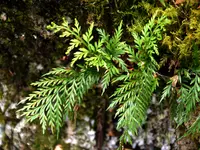
Matua Kaponga, Asplenium richardii, is a hardy terrestrial fern from New Zealand, often found on rocky slopes, open tussock grassland, and well-drained hillsides. It forms dense, upright clumps of tough, divided fronds that give a coarse, textured look rather than a soft, feathery one.
This fern tolerates wind, cooler conditions, and some dryness better than many other aspleniums, which makes it relatively forgiving outdoors in mild climates. It prefers bright, filtered light, steady moisture without waterlogging, and free-draining, humus-rich soil. These traits mean that learning how to care for Matua Kaponga mainly involves avoiding heavy shade, soggy soil, and very hot, dry positions.

Care Difficulty
Moderate Care

Light Preference
Partial Shade

Water Requirements
Keep Soil Moist

Temperature Preference
Cool Climate

Hardiness Zone
8–10

Soil Texture
Loamy, Silty, Organic-rich

Soil pH
Acidic (5.5–6.5)

Soil Drainage
Moist but well-drained

Fertilization
Minimal (feed rarely)
Scan your plant to receive care tips personalized for your specific plant
Available on iOS and Android
This fern prefers bright, indirect light and protection from intense midday sun.
This fern prefers consistently moist but not waterlogged soil.
This species grows best in mild, frost-free conditions with stable temperatures.
This fern prefers steady, moderately high humidity to keep fronds firm and green.
Asplenium richardii prefers a loose, moisture-retentive yet well-drained mix that mimics a humus-rich forest floor.
This fern is well suited to container culture for shaded patios or sheltered outdoor spots.
Asplenium richardii grows well in lean soils but benefits from light feeding in long growing seasons.
Asplenium richardii needs minimal pruning focused on cleanliness rather than shaping.
This fern prefers stable conditions, so repotting or transplanting Asplenium richardii should be infrequent and gentle.
New Asplenium richardii plants are most reliably produced by careful division of established clumps.
Asplenium richardii is moderately cold-tolerant but benefits from basic winter protection in colder regions.

Plant Health Check
Not sure what's wrong with your plant? Check your plant's health inside the app.
This fern is naturally restricted to New Zealand and is most often found on sunny, dry limestone bluffs and rocky outcrops, an unusual habitat for a fern that normally prefers shade and moisture.
Its fronds are comparatively thick and leathery for a fern, an adaptation that helps reduce water loss and allows it to tolerate exposed, seasonally dry conditions.
The plant anchors itself in narrow rock crevices with a fibrous root system that can exploit tiny pockets of soil and organic debris, allowing it to stabilize on vertical or near-vertical cliffs.
This fern grows best outdoors in mild, moist, temperate climates, especially in shaded garden beds or bushy areas. Indoors it can survive only if humidity, airflow, and cool temperatures are carefully controlled and drafts are avoided.
Keep your plants happy and healthy with plant identification, disease detection, and easy care guidance.

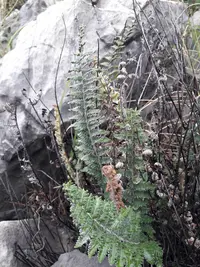
Hemionitis aschenborniana
Hemionitis aschenborniana
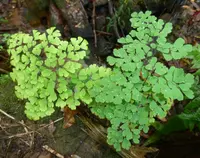
Mexican maidenhair fern
Adiantum poiretii
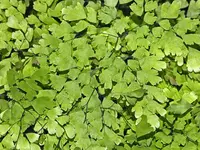
fan maidenhair
Adiantum tenerum
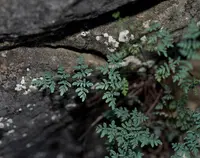
powdery false cloak fern
Hemionitis artax
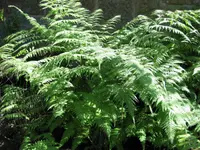
swordfern
Macrothelypteris torresiana
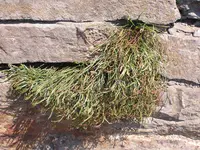
forked spleenwort
Asplenium septentrionale
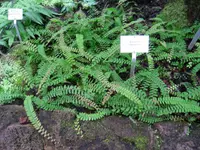
Adiantum edgeworthii
Adiantum edgeworthii
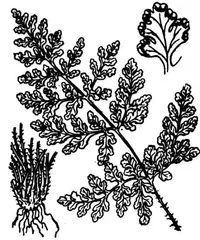
Hemionitis acrostica
Hemionitis acrostica