powdery false cloak fern Care (Hemionitis artax)

powdery false cloak fern

About powdery false cloak fern

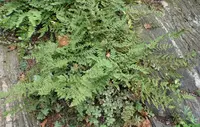
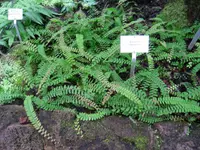
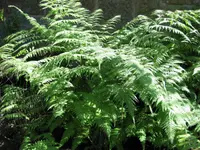
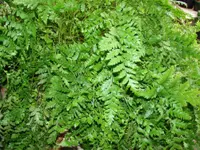
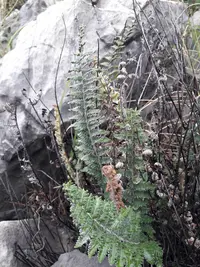
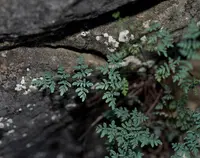
Powdery false cloak fern, Hemionitis artax, is a compact terrestrial fern valued for its delicate, finely divided fronds and soft, powdery appearance. It typically forms low clumps that give a gentle, textured look to shaded spaces.

This species is native to tropical forests, where it grows on the forest floor in consistently moist, humus-rich soils. In cultivation, its need for steady moisture and humidity makes it slightly more demanding than many common houseplants.

Those who care for powdery false cloak fern should provide stable conditions without strong drafts, harsh light, or drying out between waterings. With a sheltered, shaded spot and evenly moist substrate, it can be a rewarding foliage plant indoors or in shaded outdoor areas in mild climates.

Main Plant Requirements

Care Difficulty

Moderate Care

Light Preference

Bright Indirect Light

Water Requirements

Keep Soil Moist

Temperature Preference

Tropical / Frost Sensitive

Hardiness Zone

11–12

Soil Texture

Loamy, Peaty, Organic-rich

Soil pH

Acidic (5.5–6.5)

Soil Drainage

Moist but well-drained

Fertilization

Light (every 4–6 weeks)

Get Personalized Care Plan

Scan your plant to receive care tips personalized for your specific plant

Available on iOS and Android

How to Care for the powdery false cloak fern

Hemionitis artax prefers soft, woodland-style light rather than direct, open sun exposure.

  • Aim for bright, filtered light or dappled shade, such as under taller plants or shade cloth, with 2–3 hours of gentle morning sun and no harsh midday or afternoon sun.
  • The powdery false cloak fern tolerates partial to full shade, but growth becomes sparse and fronds elongate if kept in very dim conditions for many weeks.
  • In summer, protect from sun between 11 a.m. and 4 p.m. to avoid leaf scorch; in winter, allow more indirect light by thinning overhead cover or moving closer to a bright window.

Hemionitis artax needs evenly moist, never soggy, soil to maintain healthy fronds and roots.

  • Water when the top 1–2 cm of soil feels just starting to dry, aiming for consistently damp soil that does not form puddles or shine with free water.
  • Use a loose, well-draining mix rich in organic matter so excess water can drain within a few minutes, reducing the risk of root rot and sour smells.
  • In cooler seasons, reduce frequency as drying slows; drooping, crisp fronds suggest underwatering, while yellowing bases and a musty odor point to overwatering.

This fern thrives in mild, stable temperatures that imitate a sheltered forest floor.

  • For active growth, keep temperatures around 65–80°F (18–27°C); short dips outside this range are tolerated if not combined with very dry air.
  • Protect Hemionitis artax from cold below about 50°F (10°C), as prolonged exposure near this level can slow growth and damage tender fronds.
  • Avoid drafts from heaters or hot, reflective patios where temperatures can exceed 86°F (30°C); provide shade and higher humidity to help the plant cope with occasional heat.

This fern needs consistently high humidity to keep fronds healthy and powdery false cloak fern foliage intact.

  • Aim for 60–80% humidity; use a hygrometer to avoid prolonged levels below 50%.
  • Dry air causes crisping tips, curling fronds, and slowed new growth, especially near heating or AC vents.
  • Increase humidity with grouped plants, a room humidifier, or a pebble tray that allows the pot base to stay above the water line.

This fern prefers a loose, moisture-retentive yet airy mix similar to fine orchid or woodland soil conditions.

  • Use a peat- or coco-based mix with 30–40% fine bark and perlite to create a fibrous, well-aerated structure.
  • Ensure fast drainage so water moves through in seconds but leaves the mix evenly damp, not soggy or waterlogged.
  • Aim for slightly acidic to neutral pH around 6.0–7.0, avoiding strongly alkaline mixes heavy in lime.
  • Improve drainage and oxygen around roots by avoiding dense garden soil, heavy clay, or compacted, peat-only blends.

This species grows well in containers when moisture control and root space are managed carefully.

  • Choose a pot 1–2 in wider than the root mass to balance moisture retention with faster surface drying.
  • Use a stable, heavier container if foliage becomes arching, so the plant does not tip when the mix is moist.
  • Select slightly porous materials like terracotta only if you can water more often, as they accelerate mix drying.

This fern benefits from light, consistent feeding during active growth to support fine foliage without stressing the roots.

  • Use a balanced liquid fertilizer (around 10‑10‑10 or 20‑20‑20) diluted to 1⁄4–1⁄2 strength for Hemionitis artax.
  • Apply every 4–6 weeks in spring and summer on moist soil, never on dry roots.
  • Skip or reduce feeding to 1 very light application in fall and winter, when growth slows.
  • For powdery false cloak fern indoor care, avoid heavy slow‑release pellets; use gentle liquid or fine compost instead.

Hemionitis artax needs only light pruning to keep fronds healthy and the plant tidy.

  • Best time for pruning is late winter to early spring, just before new growth starts.
  • Remove dead, yellowing, or damaged fronds at the base using clean, sharp scissors.
  • Thin crowded or crossing fronds to improve air flow and reduce fungal issues.
  • Avoid cutting the central crown or rhizomes, which can slow recovery and new frond production.

This fern prefers stable conditions and benefits from careful, infrequent repotting.

  • Repot every 2–3 years in spring when roots circle the pot, drain slowly, or growth stalls.
  • Choose a pot only 2–3 cm wider, with good drainage and a loose, organic‑rich mix.
  • Gently tease outer roots and keep the root ball mostly intact to limit transplant shock.
  • Water thoroughly after repotting, then keep evenly moist and shaded for 1–2 weeks while it reestablishes.

Propagation of Hemionitis artax is possible but slower than many common houseplants.

  • Division in spring is the most practical method, separating small sections of rhizome with several healthy fronds.
  • Replant divisions into moist, fine, humus‑rich mix and keep humidity high with a cover or propagator.
  • Place in bright, indirect light at 68–75°F to encourage new root and frond growth.
  • Spore sowing is also possible but requires sterile conditions, fine moisture control, and patience.

This fern is not very frost tolerant and benefits from sheltered winter conditions in most climates.

  • Move container plants indoors before temperatures drop below 45°F, placing them in bright, indirect light.
  • Keep indoor temperatures around 60–70°F and avoid cold drafts or heater blasts.
  • If grown outdoors in mild regions, apply a 3–5 cm mulch layer to insulate the root zone.

Care Tips

Use Fine Watering

Use a watering can with a narrow spout or a handheld mister bottle on stream setting to direct water only to the substrate and avoid repeatedly wetting the fronds, which reduces fungal spotting and prolongs foliage life when caring for powdery false cloak fern.

Shallow Pot Choice

Choose a broad, relatively shallow pot with many drainage holes to match the fern’s fibrous, surface-oriented roots and reduce the risk of stagnant pockets that can lead to root decline.

Soft Air Movement

Place the plant where there is gentle, indirect air movement from a fan or nearby vent (not blowing directly on it) to keep the fronds dry after watering and lower the chance of fungal diseases.

Regular Debris Cleaning

Brush or rinse dust from fronds every 4–6 weeks with lukewarm water and allow them to dry quickly so the leaf surface can photosynthesize efficiently and is easier to monitor for pests.

Controlled Division

If the clump becomes dense and fronds crowd each other, divide the root mass into 2–3 sections in spring using a clean, sharp knife, then pot each division snugly to refresh growth and prevent decline from congestion.

Common Pests and Diseases

Scale insects

This pest attaches to fronds and stems as small brown or tan bumps, sucking sap and causing yellowing, thinning fronds, and weak growth.

Solution

Isolate the plant, then wipe fronds and petioles with a cotton pad dipped in diluted alcohol or insecticidal soap, repeating weekly until no new insects appear; improve airflow and avoid overfertilizing, which encourages scale. For severe infestations, use a labeled systemic insecticide suitable for ferns and follow package directions carefully.

Spider mites

These insects thrive in warm, dry air and cause tiny pale speckles, dull fronds, and fine webbing along the undersides of the powdery leaf surfaces.

Solution

Rinse fronds thoroughly with lukewarm water, focusing on leaf undersides, then apply insecticidal soap or horticultural oil at 7–10 day intervals until symptoms stop. Increase humidity, keep the plant out of hot dry drafts, and inspect regularly, since caring for powdery false cloak fern in drier homes often requires early mite detection.

Mealybugs

This pest appears as white, cottony clusters in frond bases and along stems, leading to sticky honeydew and sooty mold on the delicate foliage.

Solution

Remove visible clusters with a cotton swab dipped in alcohol, then treat the plant with insecticidal soap, repeating every 7–10 days as needed. Quarantine the plant away from others, and check tight crevices and the pot rim, where mealybugs often hide.

Fungal leaf spot

This disease causes small water-soaked or brown spots on fronds that may merge into larger blotches, especially under cool, humid, low-airflow conditions common in fern displays.

Solution

Remove and discard affected fronds, then improve air circulation and water at the soil level instead of wetting foliage. If new spots continue to appear, apply a fern-safe fungicide according to label directions and avoid crowding plants too closely.

Bacterial blight

This disease produces translucent, dark, or greasy-looking lesions on fronds that can spread rapidly along the leaf blade and into the crown in warm, wet conditions.

Solution

Immediately cut off and discard all affected fronds, sterilizing tools between cuts, and reduce overhead watering and leaf wetness duration. Increase airflow, avoid splashing water between plants, and if symptoms persist, discard severely affected specimens to protect nearby ferns.

Interesting Facts

Velvety frond surface

The fronds of this species are covered in fine hairs that create a soft, velvety texture and a slightly grayish, powdery look, which is the source of its common name powdery false cloak fern.

Distinct heart-shaped blades

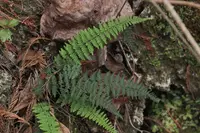
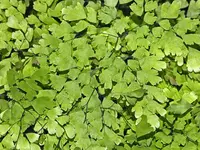
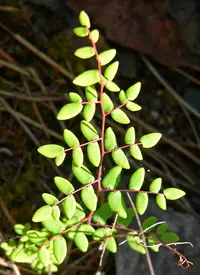
Its sterile fronds are strongly cordate, or heart-shaped, with a clear point and broad lobes, a leaf shape that is more pronounced than in many related ferns and makes the plant easy to recognize in collections.

Contrasting fertile fronds

Mature plants often produce narrower, longer fertile fronds that look noticeably different from the broader sterile fronds, a dimorphism that helps separate spore production from the main photosynthetic leaf area.

FAQs about powdery false cloak fern

Brown leaf tips or edges often result from low humidity, underwatering, or mineral buildup from hard water. Remove damaged fronds, increase humidity, and use filtered or rested tap water to prevent further browning and stress.

Grow Healthy Plants with Botan Care

Keep your plants happy and healthy with plant identification, disease detection, and easy care guidance.

Botan plant care app — identify plants on mobile

Explore More Plants