Alabama lip fern Care (Hemionitis alabamensis)

Alabama lip fern

About Alabama lip fern

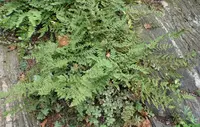
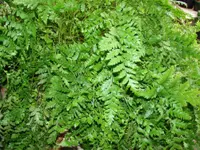
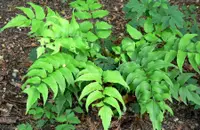
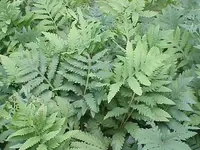
Alabama lip fern, Hemionitis alabamensis, is a small, clumping fern native to rocky outcrops and shaded slopes in the southeastern United States. It typically grows in crevices of limestone or other calcareous rocks, forming tight rosettes of finely divided, evergreen fronds.

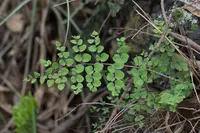
The fronds have a delicate, lacy look but are relatively tough, helping the plant handle brief dry periods once established. Its slow growth and preference for rocky, well-drained, slightly alkaline substrates can make it more challenging than common house ferns.

In cultivation it generally prefers bright shade, consistent but not excessive moisture, and very sharp drainage. Understanding these natural conditions is key to how to care for Alabama lip fern.

Main Plant Requirements

Care Difficulty

Hard Care

Light Preference

Partial Shade

Water Requirements

Keep Soil Moist

Temperature Preference

Warm Climate

Hardiness Zone

7–9

Soil Texture

Loamy, Silty, Organic-rich

Soil pH

Acidic (5.5–6.5)

Soil Drainage

Moist but well-drained

Fertilization

Minimal (feed rarely)

Get Personalized Care Plan

Scan your plant to receive care tips personalized for your specific plant

Available on iOS and Android

How to Care for the Alabama lip fern

This fern favors dappled woodland-style light rather than direct, open sun.

  • Provide 2–4 hours of gentle morning sun with bright, filtered shade the rest of the day, especially under trees or beside rocks.
  • Tolerates bright shade to light partial shade but growth of Alabama lip fern slows and fronds elongate if light stays very low.
  • Avoid harsh midday and afternoon sun, which scorches fronds and dries soil quickly; in hotter summers, increase shade from roughly 11 a.m. to 4 p.m.

This species prefers consistently moist but not waterlogged soil around its shallow roots.

  • Water when the top 2–3 cm of soil feel slightly dry but deeper soil still feels cool and moist, rather than waiting for the whole profile to dry.
  • Use humus-rich, well-drained soil so excess water runs off within a few seconds; standing water or a sour smell signals poor drainage and overwatering risk.
  • In cool seasons reduce frequency but prevent complete drying; crisp, curling fronds suggest underwatering, while yellowing, limp fronds can indicate excess moisture.

This fern is adapted to mild, temperate conditions with protection from extremes.

  • Aim for 60–80°F (16–27°C) for active growth; short spikes above or below are tolerated if soil stays evenly moist and roots are shaded.
  • Protect from hard frost; damage often occurs below about 25°F (-4°C), and repeated freezing and thawing of wet soil can injure rhizomes.
  • In hot spells above 85°F (29°C), increase shade and soil moisture, and avoid reflected heat from rocks or walls to reduce stress on foliage.

This fern prefers steady, moderately high humidity to keep fronds healthy.

  • Aim for 50–70% humidity; Hemionitis alabamensis tolerates brief dips lower but dries and browns at sustained 30–40%.
  • Crisping tips, rolled new fronds, and slow unfurling indicate humidity stress rather than underwatering.
  • Increase moisture with a pebble tray under the pot, grouping plants, or a nearby humidifier instead of misting fronds directly.

Hemionitis alabamensis grows best in loose, moist, sharply draining soil rich in organic matter.

  • Use a mix of 40% fine pine bark, 30% peat or coco coir, and 30% perlite or pumice for a light yet moisture-retentive base.
  • Target slightly acidic to neutral pH, around 6.0–7.0, which supports nutrient availability and root health.
  • Ensure water drains through freely and the mix does not stay waterlogged longer than 1 day to prevent root and rhizome rot.
  • Avoid heavy clay, compacted garden soil, and mixes dominated by sand that dry out rapidly and restrict fine root growth.

This species adapts well to container growing when moisture and stability are controlled.

  • Choose a pot deep enough to keep the rhizome just below the surface so it does not dry out faster than the root zone.
  • Use a heavier ceramic or clay container outdoors to reduce tipping and buffer rapid moisture loss in hot, windy conditions.
  • Raise the pot slightly on feet or blocks so drainage holes never sit in collected runoff, preventing chronic saturation at the base.

This fern benefits from light, consistent nutrition rather than heavy feeding.

  • Use a balanced liquid fertilizer (such as 10-10-10) at 1/4–1/2 strength for Alabama lip fern during active growth.
  • Feed every 4–6 weeks in spring and summer if grown in containers or very poor soil.
  • Skip or greatly reduce feeding in fall and winter when growth slows or stops.
  • Rinse the soil with plain water occasionally to prevent fertilizer salt buildup around the roots.

Pruning needs for Hemionitis alabamensis are minimal and mainly focused on cleanliness and plant health.

  • Best time for light pruning is late winter to early spring before strong new growth emerges.
  • Remove dead, yellowing, or damaged fronds at the base to limit disease and improve air flow.
  • Thin crowded fronds slightly to maintain an open, arching shape without cutting into healthy crowns.
  • Use clean, sharp scissors or pruners, disinfected before and after use, to avoid spreading pathogens.

This fern dislikes frequent disturbance, so transplanting or repotting should be done only when clearly needed.

  • Check for roots circling the pot drainage holes, soil drying very fast, or stalled growth as signs it needs a move.
  • Plan repotting or transplanting for early spring, just before strong new frond growth begins.
  • Expect to repot container plants every 2–3 years into a pot only 2–3 cm wider with moist, well-drained mix.
  • Handle the root ball gently, keep roots shaded and moist during the move, and water lightly but consistently afterward.

Propagation of Hemionitis alabamensis is possible but slower than many common house ferns.

  • Division is the most practical method; divide established clumps in early spring when new fronds start to emerge.
  • Lift the plant carefully, then split the rhizome into sections, each with several healthy fronds and roots.
  • Replant divisions into moist, well-drained, humus-rich soil and keep humidity high until new growth appears.
  • Spore propagation is possible but requires sterile media, consistently high humidity, and patience for slow development.

This fern is relatively cold tolerant within its native range but can be damaged by hard freezes or severe drying.

  • In the ground, apply a 5–8 cm layer of leaf mold or bark mulch over the root zone in late fall.
  • In climates with freezing winters, container plants are best moved into a cool, frost-free, bright sheltered space.
  • Water sparingly in winter, keeping the soil barely moist, as cold, soggy conditions increase root rot risk.

Care Tips

Rocky substrate layering

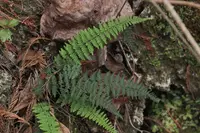
Place the root ball into a mix that includes a 2–3 cm bottom layer of coarse gravel or lava rock to mimic its natural limestone crevices and improve drainage stability around the rhizomes.

Lime-chip topdressing

Sprinkle a thin layer of crushed limestone or marble chips on the soil surface once or twice a year to maintain slightly alkaline conditions and provide slow-release calcium for healthier fronds.

Shaded airflow management

Position the plant where there is gentle, indirect air movement such as near a vent deflector or open interior doorway, which helps keep fronds dry enough to reduce fungal issues without lowering humidity excessively.

Targeted spore collection

To collect spores without disturbing the plant, wrap a piece of clean paper or a paper envelope around a mature fertile frond overnight, then remove and store the fallen spores in a labeled, dry container for future propagation.

Crevice-style planting

When caring for Alabama lip fern in containers, tuck the root mass against a stable stone or into a vertical gap between rocks in the pot to support upright fronds and reduce mechanical damage to the delicate leaf stalks.

Common Pests and Diseases

Scale insects

This pest feeds on fronds and rachises, appearing as tiny brown or tan bumps along the stems and leaf bases. Symptoms include slow growth, yellowing pinnae, and sticky honeydew that can promote sooty mold.

Solution

Remove heavily infested fronds, then gently wipe remaining stems and fronds with a cotton swab dipped in 70% isopropyl alcohol, repeating weekly until no new insects appear. Improve air movement around the fern and, if needed, use a light application of insecticidal soap labeled for ferns, applied to both upper and lower frond surfaces.

Spider mites

These insects thrive in warm, dry indoor air and can cause fine speckling, dull fronds, and delicate webbing along the undersides of fronds. Symptoms include overall loss of vigor and premature browning of leaflet tips.

Solution

Rinse fronds thoroughly with lukewarm water, including the undersides, and repeat every few days to disrupt the mite population. Raise humidity around the plant, avoid placing it next to heat sources, and use insecticidal soap or horticultural oil if webbing and stippling continue despite rinsing.

Rhizoctonia leaf blight

This disease favors warm, moist, crowded conditions and causes irregular brown lesions starting at the frond base or along the midrib. Symptoms include rapid collapse of young fronds and spread of tan to dark brown patches that may girdle the rachis.

Solution

Remove and discard affected fronds, improve spacing and airflow, and avoid overhead watering that keeps foliage wet for long periods. If the problem recurs, use a fungicide labeled for Rhizoctonia on ferns, applying it to both soil surface and lower fronds according to label directions, and keep the potting mix just evenly moist rather than constantly wet.

Pythium damping-off

This disease primarily affects spores and very young plantlets in propagation trays, causing sudden collapse at the soil line and failure of new fronds to establish. Symptoms include water-soaked, soft stem bases and rapid death of affected plantlets.

Solution

Use fresh, sterile propagation media and clean containers, and avoid reusing poorly drained mixes when you grow Hemionitis alabamensis from spores or divisions. Water from below or at the substrate surface instead of soaking the fronds, keep the medium moist but not saturated, and apply a suitable biological or chemical damping-off control if previous batches have been affected.

Interesting Facts

Narrow limestone niche

This fern is naturally restricted to moist, shaded limestone outcrops and seeps in the southeastern United States, especially Alabama, making it a habitat specialist with very narrow ecological tolerance in the wild.

Conservation concern species

It is considered rare and of conservation concern because many of its karst and limestone habitats have been altered or destroyed by quarrying, development, and changes in water flow.

Distinctive frond texture

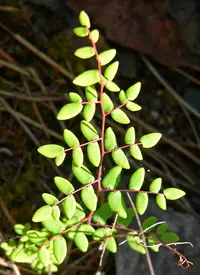
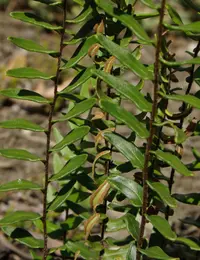
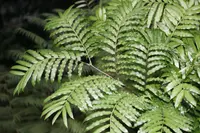
Its fronds often have a slightly leathery texture with a noticeable central midrib and finely divided pinnae, giving it a delicate appearance despite its tough, rock-dwelling lifestyle.

Botan icon

Did you know?

This species was long overlooked or confused with related ferns until more detailed taxonomic work in the 20th century clarified its identity and very limited distribution, which helped trigger targeted conservation attention in its native range.

FAQs about Alabama lip fern

Brown leaf tips or margins usually come from low humidity, chronic underwatering, or excess fertilizer salts. Brown, mushy bases suggest root rot from soggy conditions. Trim damaged fronds, improve humidity, and adjust watering to a light, even moisture level.

Grow Healthy Plants with Botan Care

Keep your plants happy and healthy with plant identification, disease detection, and easy care guidance.

Botan plant care app — identify plants on mobile

Explore More Plants