Use mineral-rich mix
Blend a small amount of fine horticultural grit or crushed granite into the upper 2–3 cm of the potting mix every 6–12 months to mimic the naturally rocky habitats and keep roots well aerated.

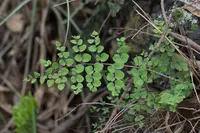
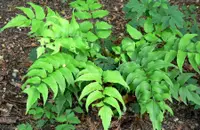
Heartleaf cliffbrake (Pellaea cordifolia) is a small, evergreen fern with arching, wiry fronds and distinct heart-shaped leaflets. It forms tidy, cascading clumps that suit pots, shelves, or rocky crevices.
In nature, it typically grows on cliffs or rocky slopes, often in brighter, drier conditions than many other ferns. This background makes it more tolerant of lower humidity and occasional dryness.
It stays relatively compact and slow-growing, which suits indoor spaces and small gardens. Those traits, along with its resilience, help simplify how to care for heartleaf cliffbrake.
It generally prefers bright, indirect light, free-draining, gritty soil, and moderate, not constant, moisture around the roots.

Care Difficulty
Moderate Care

Light Preference
Partial Shade

Water Requirements
Moderate Water

Temperature Preference
Warm Climate

Hardiness Zone
9–11

Soil Texture
Sandy, Loamy, Rocky

Soil pH
Acidic (5.5–6.5), Slightly acidic (6.5–7.0)

Soil Drainage
Well-drained

Fertilization
Minimal (feed rarely)
Scan your plant to receive care tips personalized for your specific plant
Available on iOS and Android
This fern prefers bright, gentle light that mimics dappled woodland shade.
This fern prefers lightly moist, never soggy soil and dislikes long dry periods.
Stable, mild temperatures support steady growth and prevent frond damage.
This fern prefers moderately humid air but adapts to many home environments if kept away from extremes.
This species needs a loose, fast-draining mix that still holds moderate, even moisture around the roots.
This fern is well suited to container growing when the pot supports its shallow, spreading root system.
This fern benefits from light feeding, as heartleaf cliffbrake naturally grows in nutrient-lean habitats.
Pellaea cordifolia needs only light pruning to keep fronds tidy and healthy.
This fern prefers slightly tight quarters and dislikes frequent disturbance of its roots.
Pellaea cordifolia is most practically propagated by careful division of established clumps.
This fern has limited frost tolerance and benefits from some winter protection in colder regions.

Plant Health Check
Not sure what's wrong with your plant? Check your plant's health inside the app.
This fern has thick, leathery, heart‑shaped pinnae that help reduce water loss, which is unusual among many ferns that favor constantly moist conditions.
In its native range, this species often grows in crevices of cliffs and rocky slopes, anchoring its rhizomes into mineral substrates rather than deep soil.
Unlike many temperate ferns that die back in winter, this species can remain evergreen where temperatures stay relatively mild and conditions are not too wet.
Brown tips or edges usually result from low humidity, accumulated fertilizer salts, or inconsistent watering. Flush the soil with plain water, trim damaged fronds, and maintain steadier moisture and humidity to prevent further browning.
Keep your plants happy and healthy with plant identification, disease detection, and easy care guidance.