King fern Care (Ptisana salicina)

Also known as: Para
King fern

About King fern

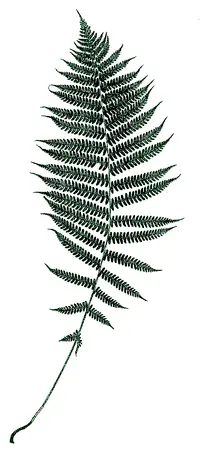
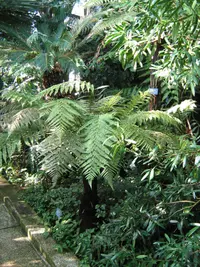
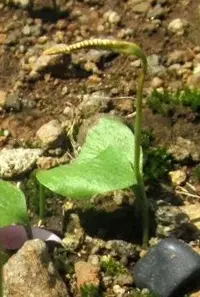
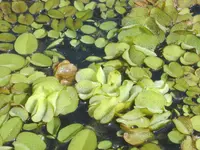
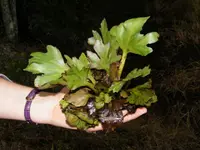
King fern, Ptisana salicina, is a large, evergreen fern from humid forests and stream banks in New Zealand and some nearby Pacific islands. It forms a bold clump of thick, arching fronds that can look almost palm-like in mature plants.

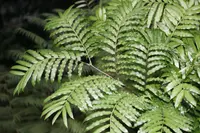
The fronds have a strong central stalk with many glossy, deep green leaflets, giving the plant a heavy, architectural appearance. Its underground rhizomes store moisture and energy, which helps the plant recover from brief stress.

This fern prefers cool to mild temperatures, consistent moisture, and rich, well-drained soil. In cultivation, understanding how to care for King fern mainly means providing steady humidity and protection from harsh sun or drying winds.

Main Plant Requirements

Care Difficulty

Moderate Care

Light Preference

Partial Shade

Water Requirements

Keep Soil Moist

Temperature Preference

Warm Climate

Hardiness Zone

10–12

Soil Texture

Loamy, Silty, Organic-rich

Soil pH

Acidic (5.5–6.5), Slightly acidic (6.5–7.0)

Soil Drainage

Moist but well-drained

Fertilization

Minimal (feed rarely)

Get Personalized Care Plan

Scan your plant to receive care tips personalized for your specific plant

Available on iOS and Android

How to Care for the King fern

This fern prefers bright, soft light that mimics a forest understory.

  • Provide 2–4 hours of gentle morning sun with bright, filtered light for the rest of the day; avoid harsh midday and afternoon sun to prevent frond scorch.
  • Tolerates partial to full shade, but very deep shade leads to sparse, elongated fronds and slower growth in King fern.
  • In summer, protect from reflected heat and strong sun; in winter, allow a little more direct morning light if available to support steady growth.

Moist, cool, well-drained soil suits this fern best.

  • Water when the top 2–4 cm of soil feels slightly dry, aiming for consistently moist but never saturated soil around the root zone.
  • In cool seasons reduce frequency so soil is just damp, not soggy; in hot, windy weather check moisture every 1–2 days, especially for young plants.
  • Signs of overwatering include yellowing, limp fronds and a sour smell in soil; underwatering shows as crisp brown edges and drooping fronds in Ptisana salicina.

This species thrives in mild, frost-free, woodland-like conditions.

  • Aim for 60–75°F (16–24°C) for strongest growth, with shelter from drying winds to protect fronds.
  • Tolerates down to about 30–32°F (-1–0°C) for short periods, but repeated or hard frosts damage fronds and can kill young crowns.
  • Handles brief heat up to 85–90°F (29–32°C) if soil stays evenly moist and the plant is shaded; in heatwaves, increase humidity and avoid hot reflective surfaces nearby.

This fern prefers consistently moist air and reacts quickly to dry conditions.

  • Aim for 60–80% humidity; prolonged levels below 40% often cause frond edges to brown and curl.
  • In centrally heated rooms, place King fern on a wide pebble tray with water, keeping the pot base above the waterline.
  • Use a small humidifier or group multiple plants together rather than constant misting, which offers only brief humidity increases.

This species needs deep, loose, organic-rich soil that stays evenly moist yet freely draining.

  • Use a mix of roughly 50% peat-free compost, 30% fine bark, and 20% perlite or pumice to combine moisture retention with strong drainage.
  • Target slightly acidic to neutral conditions, around pH 6.0–7.0, avoiding chalky or strongly alkaline substrates that can limit nutrient uptake.
  • Incorporate leaf mold or well-rotted compost to mimic the forest floor structure Ptisana salicina naturally occupies and to support root health.
  • Avoid dense clay, compacted ground, or mixes high in fine sand alone, as these either waterlog roots or dry out too quickly.

This fern can be grown in large containers if moisture and stability are carefully managed.

  • Choose a deep, wide pot that allows the rhizomes to spread horizontally without crowding, which helps maintain vigorous frond production.
  • Select a heavier material such as ceramic if grown outdoors, as this adds stability against wind and the weight of mature fronds.
  • Raise the container slightly on feet or blocks so drainage holes stay clear and excess water can run off quickly after watering.

This fern benefits from light, consistent feeding rather than heavy applications.

  • Use a balanced, dilute liquid fertilizer (for example 10-10-10 at 1/4–1/2 strength) or a mild slow-release product suited to ferns.
  • Feed actively growing King fern every 4–6 weeks in spring and summer, after watering the soil first.
  • Stop or greatly reduce fertilization in fall and winter when growth slows or stops.
  • Avoid strong synthetic products or fresh manure, which can burn roots and fronds.

Pruning needs for Ptisana salicina are modest and focus on tidiness and plant health.

  • Best time for light pruning is late winter to early spring, before strong new growth starts.
  • Remove dead, yellowing, diseased, or storm-damaged fronds at the base to limit pest and fungal issues.
  • Thin out a few crowded, crossing fronds to improve air flow and maintain an open, arching shape.
  • Use clean, sharp pruners or scissors, disinfected between plants, and avoid cutting healthy crowns.

This fern prefers stable conditions, so repotting or transplanting should be infrequent and careful.

  • Look for roots circling the container drainage holes, dense root mass, or stalled growth as signs a larger pot or new site is needed.
  • Plan repotting or transplanting in early spring, every 3–4 years, when new roots and fronds are ready to grow.
  • Move into a pot or bed only 1–2 sizes larger, using loose, rich, well-drained soil to limit waterlogging and shock.
  • Keep the root ball as intact as possible, water thoroughly, then shade and maintain even moisture for 1–2 weeks to reduce stress.

Propagation of this fern is possible but usually done on a small scale for established clumps.

  • Division of mature crowns in early spring is the most practical method for home growers.
  • Lift or unpot the clump, then gently separate sections with several fronds and healthy roots on each piece.
  • Replant divisions at original depth in moist, humus-rich soil, keeping the crown just above the surface.
  • Maintain high humidity, steady moisture, and shade until new fronds emerge and divisions are established.

This fern is not very frost tolerant and benefits from thoughtful winter care in cooler climates.

  • In regions with freezing temperatures, apply 5–8 cm of organic mulch around the root zone, keeping it off the crown.
  • Shelter outdoor plants from cold, drying winds using fences, evergreen shrubs, or temporary screens.
  • Move container-grown plants indoors or into a cool, bright, frost-free space before temperatures drop near 32°F.

Care Tips

Rhizome protection

Keep the rhizomes just at or slightly below soil level and mulch lightly with fine bark or leaf mold to prevent desiccation while still allowing emerging fronds to push through easily.

Frond spacing management

When planting several crowns, space them at least 45–60 cm apart and remove a few of the oldest, most congested fronds at the base each year to maintain airflow and reduce fungal problems in dense clumps.

Moisture zoning

In garden beds, create a shallow basin around the root zone and line it with coarse organic matter so irrigation water collects and infiltrates there instead of running off, which is especially useful in sloping sites.

Preventing wind damage

In exposed locations, position the plant behind a low windbreak such as a shrub or louvered screen and rotate any container-grown specimens every 4–6 weeks so fronds grow more evenly and are less prone to snapping in one dominant wind direction.

Cleanliness against pests

Remove shed fronds and debris from the crown area every few weeks and rinse the fronds with a gentle shower of water during warm weather to reduce scale, mealybug, and mite build‑up when caring for King fern.

Common Pests and Diseases

Scale insects

This pest attaches to fronds and rachises as small, immobile bumps, sucking sap and causing yellowing and decline of fronds.

Solution

Remove heavily infested fronds and gently scrape or wipe remaining scales off with a cotton pad dipped in diluted alcohol or insecticidal soap, then rinse foliage well. Improve air movement around the clump and repeat treatments every 7–10 days until new growth appears clean, which is an important part of Ptisana salicina plant care in shaded gardens and indoor collections.

Fern aphids

These insects cluster on soft new fronds and pinnae, distorting emerging growth and leaving sticky honeydew that can attract sooty mold.

Solution

Spray both sides of the fronds with a strong stream of water to dislodge colonies, then follow with a thorough application of insecticidal soap, making sure to reach the undersides and unfurling croziers. Keep surrounding weeds and tender volunteer ferns in check, as they often act as reservoirs for re‑infestation.

Rhizoctonia crown rot

This disease affects the crown and lower rachises, causing water‑soaked lesions that turn brown, leading to collapse of fronds from the base in overly wet or compacted soils.

Solution

Remove and destroy all affected fronds and any soft, decaying crown tissue, then improve drainage by loosening soil and avoiding overhead watering that keeps the crown wet. Allow the surface to dry slightly between waterings and, in severe cases, drench the planting area with a fungicide labeled for Rhizoctonia on ornamentals, following label directions closely.

Leaf spot (Mycosphaerella-type)

This disease produces small dark spots with pale centers on pinnae that can merge into larger patches, especially in warm, humid, and crowded plantings.

Solution

Prune and discard spotted fronds to reduce spore spread, avoiding overhead irrigation that keeps fronds wet for long periods. Increase spacing and airflow around the fern and, if needed, apply a preventive fungicide labeled for leaf spots on ferns during the most humid months.

Mealybugs

This pest appears as white, cottony clusters in leaflet junctions and along the midrib, weakening the plant by sap feeding and promoting sooty mold through honeydew production.

Solution

Isolate affected plants, then dab visible mealybugs with a cotton swab dipped in alcohol and follow with an application of insecticidal soap or a light horticultural oil, coating hidden crevices. Check regularly and repeat treatments every 7–14 days until no new insects are seen, paying special attention to plants grown in sheltered, warm indoor or greenhouse conditions.

Interesting Facts

Norfolk Island native

This fern is naturally found on Norfolk Island and some nearby Pacific islands, where it grows in moist, sheltered forest and along streambanks, often forming large clumps in the understory.

Palm-like frond structure

Its large, glossy, 2–3-pinnate fronds can resemble palm leaves from a distance, with robust, fleshy stipes and a strongly architectural, upright habit uncommon among many woodland ferns.

Large edible rhizomes

The plant develops thick, starchy rhizomes that were traditionally used as a food source by Indigenous peoples in parts of its range, although this use is now much less common.

Botan icon

Did you know?

Ptisana salicina is one of the larger terrestrial ferns in its native habitats and can develop massive, long-lived clumps whose fronds may reach over a person’s height, creating a distinctive fern “grove” structure in the forest understory.

FAQs about King fern

Yellowing fronds usually result from overwatering, poor drainage, or natural aging of older fronds. Check that the root zone is moist but not waterlogged, improve drainage, remove old fronds, and avoid frequent fertilizer salts buildup.

Grow Healthy Plants with Botan Care

Keep your plants happy and healthy with plant identification, disease detection, and easy care guidance.

Botan plant care app — identify plants on mobile

Explore More Plants