Rock-Crevice Mounting
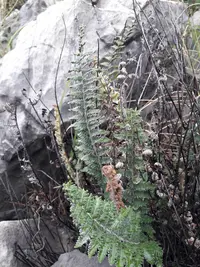
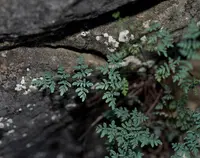
Tuck the root zone into narrow rock crevices or between stacked stones filled with gritty mix to mimic its natural habitat and improve drainage and root anchoring.

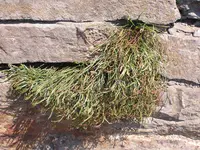
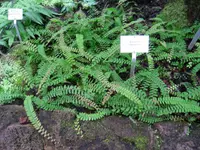
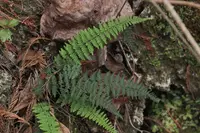
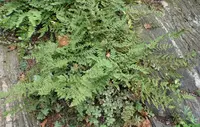
Forked spleenwort, Asplenium septentrionale, is a small evergreen fern known for its very narrow, grass-like fronds that form tight tufts. It usually grows in rock crevices, cliffs, and stone walls in cooler regions of Europe and parts of Asia and North America.
This fern has a slow, compact growth habit and stays quite small, which makes it suitable for rock gardens, troughs, and detailed container plantings. It can be more demanding than common house ferns because it dislikes waterlogged soil and high heat, so learning how to care for forked spleenwort helps keep it long-lived.
It generally prefers cool conditions, crevice-like spaces with sharp drainage, and consistent but moderate moisture around its roots.

Care Difficulty
Moderate Care

Light Preference
Partial Shade

Water Requirements
Moderate Water

Temperature Preference
Cold Hardy

Hardiness Zone
4–8

Soil Texture
Rocky, Sandy, Loamy

Soil pH
Slightly acidic (6.5–7.0), Neutral (7.0)

Soil Drainage
Well-drained

Fertilization
Minimal (feed rarely)
Scan your plant to receive care tips personalized for your specific plant
Available on iOS and Android
This small rock-dwelling fern prefers cool, soft light rather than strong direct sun.
This fern prefers evenly moist but not saturated conditions around its shallow roots.
This hardy fern tolerates cool conditions but grows best in a moderate temperature range.
This fern prefers moderately moist air but usually adapts to typical indoor humidity.
This species prefers a sharply drained yet humus-rich mix that mimics crevices in rocky slopes.
This fern can be grown successfully in containers when drainage and root conditions are carefully managed.
This fern is adapted to low-nutrient rock crevices, so forked spleenwort needs only light, careful feeding in containers.
Asplenium septentrionale needs minimal pruning, mainly to keep the plant clean and healthy.
This fern prefers tight spaces and shallow substrates, so repotting or transplanting should be infrequent and gentle.
This species is usually propagated by careful division or from spores under controlled conditions.
This fern is quite cold hardy in well-drained rock crevices but container plants benefit from some winter attention.

Plant Health Check
Not sure what's wrong with your plant? Check your plant's health inside the app.
This fern has extremely narrow, forked fronds that resemble tufts of grass more than typical fern fronds, an adaptation that reduces water loss in exposed rock habitats.
It usually grows in crevices of acidic rocks such as schist and granite, where its wiry roots anchor deeply into tiny fissures with very little soil.
Native to cool-temperate and montane regions across parts of Europe, Asia, and North America, it tolerates substantial frost and snow cover compared with many other small ferns.

Spores of this fern can colonize almost vertical rock faces, allowing it to form scattered, long-lived clumps in cliff systems that remain stable for decades in the same narrow crevices.
This fern is effectively evergreen in mild climates, holding its narrow fronds year-round. In very harsh winters some foliage may scorch or die back, but new fronds usually emerge from the crown when conditions improve.
Keep your plants happy and healthy with plant identification, disease detection, and easy care guidance.