western spleenwort Care (Asplenium vespertinum)

western spleenwort

About western spleenwort

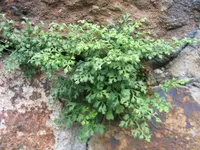
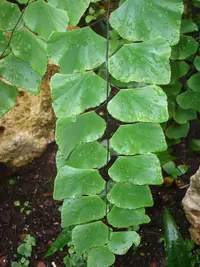
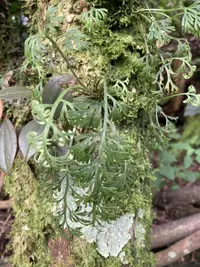
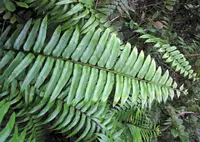
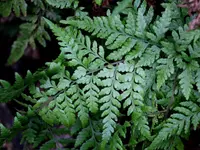
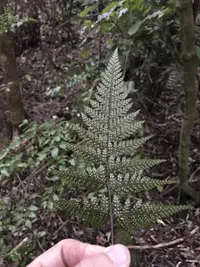
Western spleenwort, Asplenium vespertinum, is a small evergreen fern native to rocky slopes and shaded canyons in the western United States. It typically grows in tight clumps, with narrow, divided fronds that arch gracefully from crevices and shallow soil pockets.

This species favors cool, shaded habitats with constant but not stagnant moisture, often near seepage areas or along north-facing rock walls. Its preference for stable moisture and good drainage means it can be moderately challenging in cultivation, especially in dry or very bright indoor spaces. For those who want to learn how to care for western spleenwort, it helps to first match its natural rocky, shaded conditions as closely as possible.

Main Plant Requirements

Care Difficulty

Moderate Care

Light Preference

Partial Shade

Water Requirements

Keep Soil Moist

Temperature Preference

Warm Climate

Hardiness Zone

8–10

Soil Texture

Loamy, Rocky, Organic-rich

Soil pH

Acidic (5.5–6.5)

Soil Drainage

Moist but well-drained

Fertilization

Minimal (feed rarely)

Get Personalized Care Plan

Scan your plant to receive care tips personalized for your specific plant

Available on iOS and Android

How to Care for the western spleenwort

This fern prefers soft, woodland-style light rather than direct, exposed sun.

  • Provide 2–4 hours of gentle morning sun with bright filtered light for the rest of the day, avoiding harsh midday and afternoon rays that can scorch fronds.
  • Site western spleenwort in partial shade, such as east-facing slopes, rock crevices, or beneath open tree canopies where light is dappled.
  • If fronds become pale, leggy, or sparse, increase light slightly; if fronds crisp, yellow, or develop brown tips, reduce direct sun or add shade cloth, especially in summer.

This species prefers consistently moist but not saturated soil around its roots.

  • Aim for soil that feels lightly moist; in loose, rocky ground, allow only the top 1–2 cm to dry before watering again in the growing season.
  • Increase watering in warm, dry weather and reduce it in cool or dormant periods, always adjusting based on soil feel rather than a fixed schedule.
  • Watch for drooping, crisping fronds as a sign of underwatering, and blackened crowns, foul smell, or mushy roots as signs of poor drainage and overwatering in Asplenium vespertinum.

This fern is adapted to mild, coastal-influenced climates with moderate seasonal shifts.

  • Ideal growth occurs around 55–75°F (13–24°C), with steady, cool to mild conditions promoting dense, healthy fronds.
  • Asplenium vespertinum tolerates brief drops to about 25–30°F (-4 to -1°C) if soil is well-drained, but repeated hard frosts can damage fronds and crowns.
  • In hot spells above 85°F (29°C), provide extra shade and soil moisture; avoid planting in heat-reflective spots such as bare rock or south-facing walls in very hot regions.

This fern prefers moderately moist air but copes with typical indoor humidity if not kept too dry.

  • Aim for 50–60% humidity; it tolerates short dips to 40% if soil moisture is stable.
  • Crisping frond tips and slow, uneven unfurling indicate air that is too dry for western spleenwort.
  • Increase humidity with a pebble tray under the pot or by grouping plants, rather than misting heavily.

Asplenium vespertinum grows best in loose, humus-rich soil that mimics a moist forest floor.

  • Use a mix of 50–60% peat or coco coir with added compost, plus 20–30% fine bark and 10–20% perlite for structure and aeration.
  • Ensure fast drainage; the mix should stay evenly moist but never hold standing water around the roots.
  • Slightly acidic to neutral pH (5.5–7.0) supports nutrient uptake and reduces stress on fine roots.
  • Avoid dense clay, heavy garden soil, or mixes high in sand that dry out quickly and compact around the root system.

This species is suitable for container growing when the pot is chosen to support shallow, fibrous roots and steady moisture.

  • Select a wide, relatively shallow pot to match its spreading root system and reduce deep, soggy zones in the mix.
  • Choose a breathable material like unglazed terracotta only if you can compensate for faster moisture loss with more frequent watering.
  • Use a stable, slightly heavier container or add surface stones to prevent tipping if the fronds arch strongly to one side.

This small native fern needs only modest feeding to stay healthy in cultivation.

  • Use a balanced liquid fertilizer (around 10-10-10) diluted to 1/4–1/2 strength for western spleenwort in containers.
  • Apply every 4–6 weeks during spring–early fall when new fronds are forming.
  • Skip or greatly reduce feeding in winter or any dormant, slow-growth period.
  • Avoid heavy compost or strong slow-release products, which can burn fine roots; leach pots with plain water occasionally.

Pruning Asplenium vespertinum is minimal and focuses on hygiene rather than shaping.

  • Best time for cleanup is late winter or early spring before strong new growth.
  • Remove dead, yellowing, or damaged fronds at the base with clean, sharp scissors or small pruners.
  • Thin out badly crowded, declining fronds only if air movement around the crown is poor.
  • Avoid cutting healthy green fronds, as this reduces photosynthesis and weakens the plant.

This fern grows slowly and is more often transplanted in the garden than frequently repotted in containers.

  • Transplant or repot only when roots circle the pot, growth slows, or the clump clearly outgrows its space.
  • Plan moves for early spring or early fall, avoiding hot, dry weather to limit transplant shock.
  • Handle the root ball gently, keeping soil around the roots; divide only if natural offsets are obvious.
  • Replant at the same depth in a moist, well-drained, humus-rich mix, then shade and keep evenly moist for 2–3 weeks.

Asplenium vespertinum is usually propagated by careful division rather than by spores at home.

  • Divide established clumps in early spring when new croziers (coiled young fronds) begin to emerge.
  • Lift the plant gently and separate small sections with several fronds and a healthy root system.
  • Replant divisions into moist, humus-rich, sharply drained soil and firm gently around the roots.
  • Maintain high humidity and consistent moisture, but not waterlogging, until divisions root and resume growth.

This fern is relatively cold tolerant in its native range and usually needs only light winter care outdoors.

  • In regions with mild winters, plants often overwinter in place without additional protection.
  • Apply a thin mulch of leaf litter or pine needles around, not on top of, the crown in colder areas.
  • For containers in frosty climates, move pots to a sheltered, frost-free but cool, bright location.

Care Tips

Rocky root anchoring

Tuck the rhizomes between stable rocks or in crevices with shallow gritty mix so the plant mimics its natural cliff habitat and anchors securely, which reduces crown rot and mechanical damage when watering.

Leaf litter mulching

Top-dress around the crowns with a very thin layer of shredded oak or other hardwood leaf litter to buffer moisture, add slow organic matter, and protect young fronds without burying the rhizome.

Cool-season refresh

In late winter, gently remove dead or badly tattered fronds at the base and lightly loosen compacted surface mix to improve air flow and encourage healthy new spring growth.

Targeted spore collection

If you want to propagate, place a sheet of clean paper under mature fertile fronds for a few days to catch shed spores, then sow them on sterile, finely sieved medium kept evenly moist and covered for high humidity.

Microclimate shading

For containers in bright outdoor positions, place the pot on the north or east side of a rock, wall, or larger planter to give the fern afternoon shade and more stable root temperatures when growing western spleenwort.

Common Pests and Diseases

Scale insects

These insects attach to the frond stems and undersides, appearing as tiny brown or tan bumps that excrete sticky honeydew. Symptoms include yellowing pinnae and a general decline in vigor, especially on stressed ferns in dry or indoor conditions.

Solution

Remove affected fronds if heavily infested, then gently wipe remaining stems and fronds with a cotton pad dipped in diluted insecticidal soap or horticultural oil, taking care not to saturate the crown. Improve humidity and avoid drought stress, and repeat spot treatments every 7–10 days until no new scale is seen, which supports long-term Asplenium vespertinum care.

Fern aphids

This pest clusters along tender rachises and young frond tips, sucking sap and causing distortion, curling, and pale patches. Honeydew may appear on lower fronds or nearby surfaces and can lead to sooty mold growth.

Solution

Rinse colonies off with a firm but gentle stream of water, focusing on the undersides of fronds and growing tips. If aphids persist, use insecticidal soap or a low-strength neem oil spray applied in the early morning, and increase airflow around the plant without exposing it to hot, drying wind.

Fern mite damage

These insects are tiny and hard to see, but symptoms include fine stippling, dull or bronzed fronds, and failure of new fronds to unfurl properly, especially in hot, dry sites. This pest often thrives where humidity is too low for this species’ natural needs.

Solution

Increase ambient humidity and avoid direct hot sun, then rinse fronds thoroughly to remove dust and some mites. For ongoing problems, use a labeled miticide or horticultural oil, applied in repeated light treatments and directed into the frond bases where mites hide, while improving air circulation to prevent reinfestation.

Leaf spot

This disease produces small dark brown to black spots that may merge into irregular patches, often starting along the midrib or margins of older fronds. Symptoms include premature yellowing and shedding of affected fronds, especially in sites with frequent overhead watering or poor airflow.

Solution

Remove and discard spotted fronds promptly and avoid wetting the foliage, especially late in the day; water at the soil level instead. Improve spacing and airflow, and in persistent cases use a fern-safe copper or chlorothalonil fungicide according to label directions, focusing applications on new and lightly affected fronds.

Crown rot

This disease starts at the central growing point where fronds emerge, causing the crown tissue to soften, darken, and emit a sour odor. Symptoms include sudden collapse of new fronds and failure of new growth after periods of waterlogging or heavy, poorly drained soil in shaded canyons or rock pockets.

Solution

At early stages, reduce watering, improve drainage, and carefully remove all mushy crown tissue with a sterile blade, dusting the area with a dry sulfur or biological fungicide if available. If the crown is fully rotted the plant is usually lost, so prevention through sharply drained, gritty soil, careful watering, and good air movement around the crown is the most reliable approach.

Interesting Facts

California canyon specialist

This western spleenwort is native to southern California and northern Baja California, where it grows almost exclusively in shaded, rocky canyons and on moist cliffs rather than in typical forest soil.

Crack-dwelling root system

Its roots and rhizomes are adapted to anchor in narrow rock crevices, allowing the plant to exploit small pockets of moisture that collect in shaded canyon walls.

Seasonally dimorphic fronds

In many populations, fertile fronds that bear spores differ slightly in form and size from sterile fronds, a feature that helps the plant balance photosynthesis with reproduction in its rugged habitat.

Botan icon

Did you know?

This species is considered a local endemic of the Transverse and Peninsular Ranges of southern California and adjacent Baja California, meaning it occurs naturally in a relatively restricted geographic area and contributes to the region’s high fern diversity.

FAQs about western spleenwort

This species is evergreen in most mild climates, keeping fronds year-round. In harsh or very dry conditions, some fronds may die back, but new growth usually returns from the rhizomes when conditions improve.

Grow Healthy Plants with Botan Care

Keep your plants happy and healthy with plant identification, disease detection, and easy care guidance.

Botan plant care app — identify plants on mobile

Explore More Plants