Green Spleenwort Care (Asplenium viride)

Green Spleenwort

About Green Spleenwort

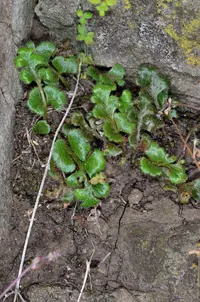
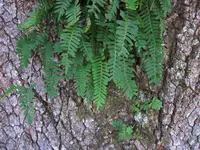
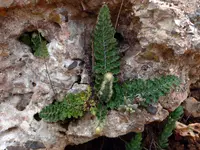
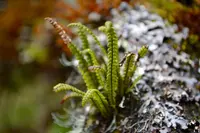
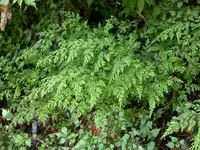
Green spleenwort, Asplenium viride, is a small evergreen fern known for its narrow fronds with bright green pinnae and contrasting dark midribs. It forms neat clumps rather than spreading aggressively.

In nature it grows on cool, rocky limestone outcrops and cliffs across parts of Europe, Asia, and North America. Its preference for stable, moist, and well-drained crevices makes it sensitive to drying out and poor drainage in cultivation.

The plant stays compact and slow-growing, which suits containers or shaded rock gardens. Understanding how to care for Green Spleenwort starts with providing consistent moisture, cool conditions, and sheltered, indirect light.

Main Plant Requirements

Care Difficulty

Moderate Care

Light Preference

Partial Shade

Water Requirements

Keep Soil Moist

Temperature Preference

Cool Climate

Hardiness Zone

3–8

Soil Texture

Loamy, Rocky, Organic-rich

Soil pH

Strongly acidic (4.5–5.5), Acidic (5.5–6.5)

Soil Drainage

Moist but well-drained

Fertilization

Minimal (feed rarely)

Get Personalized Care Plan

Scan your plant to receive care tips personalized for your specific plant

Available on iOS and Android

How to Care for the Green Spleenwort

This small fern prefers cool, shaded conditions that mimic moist rock crevices and woodland ledges.

  • Provide bright shade or dappled light, with at most 1–2 hours of gentle morning sun and no direct midday or afternoon sun to avoid frond scorch.
  • Grow in north or east exposure outdoors, or in consistently filtered light under taller plants; Green Spleenwort tolerates deep shade but grows fuller in light shade.
  • In summer, shield from strong sun with overhead cover; in winter, allow slightly more indirect light where tree canopy is open, avoiding any reflected glare from walls or snow.

This fern favors consistently moist conditions but is sensitive to both drought and waterlogging.

  • Water when the top 1–2 cm of soil or substrate feels barely dry, aiming to keep the root zone evenly moist rather than wet or saturated.
  • Use a free-draining mix around rock crevices or sloped sites so excess water can run off, reducing risk of root rot and sour, anaerobic-smelling soil.
  • In warmer months, monitor more often for limp, curling fronds that signal underwatering; in cooler seasons, slow watering if soil stays wet for more than 3–4 days.

This species is adapted to cool, temperate climates and tolerates some cold if protected from harsh exposure.

  • Aim for 50–68°F (10–20°C) for steady growth, with best frond development at the cooler end of this range in shaded, moist sites.
  • Asplenium viride can survive brief dips to around 23°F (-5°C) if sheltered and mulched, but repeated freezing and thawing or exposed frost can damage fronds.
  • In hotter periods above 77°F (25°C), increase shade and humidity while keeping roots cool; avoid placement near sun-heated rock faces that raise local temperatures excessively.

This fern prefers consistently moist air and reacts quickly to dry indoor conditions.

  • Aim for 60–80% humidity, using a hygrometer to avoid both overly dry and saturated air around the fronds.
  • Dry, crispy tips and pale, stalled new fronds indicate humidity stress rather than underwatering.
  • Increase humidity with a nearby tray of wet pebbles, grouped plants, or a small humidifier positioned near Green Spleenwort.

Asplenium viride grows best in loose, humus-rich mixes that stay evenly moist yet free-draining.

  • Use a mix of 50–60% peat-free compost with fine bark, plus perlite or pumice to prevent compaction and improve drainage.
  • Aim for slightly acidic to neutral pH, roughly 5.5–7.0, similar to woodland soil conditions.
  • Ensure the mix feels springy and airy, not sticky; add extra bark or perlite if water lingers on the surface.
  • Avoid heavy clay-based mixes, pure garden soil, or coarse sand-only blends that either waterlog roots or dry out abruptly.

This species adapts well to container culture when moisture and drainage are balanced carefully.

  • Choose a pot only 2–3 cm wider than the root mass to keep the mix from staying wet for too long after watering.
  • Select a relatively deep container so roots can anchor firmly and fronds remain stable as the plant spreads outward.
  • Use a pot material that matches your climate: porous terracotta in humid regions, or glazed/ plastic where air is dry to slow moisture loss.

Asplenium viride grows in low‑nutrient habitats and needs only light, careful feeding in cultivation.

  • Use a balanced, diluted liquid fertilizer (for example 10-10-10 at 1/4 strength) during active growth in spring–summer.
  • Feed every 4–6 weeks at most, skipping applications if growth is already strong and fronds look healthy.
  • Avoid heavy or salt-rich products; rinse the potting mix with plain water a few times each season to prevent buildup.
  • Stop fertilizing in fall–winter, when growth slows and roots are more sensitive to excess nutrients.

Asplenium viride requires only minimal pruning focused on hygiene rather than shaping.

  • Best time for light pruning is late winter or early spring, before new fronds unfurl.
  • Remove dead, yellowed, or damaged fronds at the base with clean, sharp scissors to limit disease.
  • Thin out overcrowded, weak fronds only if air movement is poor, keeping the natural clumping form.
  • Avoid cutting healthy frond tips, since this fern does not regenerate from trimmed leaf ends.

This fern has a modest root system and prefers infrequent disturbance, whether in pots or rock crevices.

  • Consider moving Asplenium viride only when roots circle the pot, water drains poorly, or growth slows for no other reason.
  • Plan repotting or transplanting in early spring so new roots establish during the full growing season.
  • Typically shift to a slightly larger pot every 3–4 years, using a gritty, well-drained, humus-rich mix.
  • Handle root balls gently, keep original soil around the roots, and shade the plant for 1–2 weeks to reduce stress.

Asplenium viride is usually propagated by careful division and, less often, from spores under controlled conditions.

  • Divide mature, dense clumps in early spring, keeping several healthy fronds and firm rhizome on each section.
  • Replant divisions into small containers with moist, free-draining fern mix, and maintain high humidity and gentle airflow.
  • For spores, sow on sterilized, fine media, cover to retain humidity, and keep at 60–70°F in bright, indirect light.
  • Germination from spores is slow; keep the surface just moist and avoid temperature or light fluctuations.

This cool-climate fern is fairly hardy but benefits from moderate winter protection, especially in containers.

  • In the ground, apply a thin mulch of leaf litter or compost around the crown to buffer freeze–thaw cycles.
  • Container plants are more vulnerable; overwinter them in a cold, frost-free, bright spot such as an unheated porch.
  • Avoid waterlogged soil in winter, as saturated roots combined with freezing temperatures greatly increase rot risk.

Care Tips

Cool root zone

Place the pot inside a slightly larger cachepot with damp sphagnum moss or fine gravel between the two containers to keep the root zone cool and evenly moist, which mimics its natural crevice habitat.

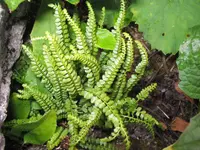
Rock-crevice planting

For long-term culture, set the plant into a shallow, heavy container with upright rocks and narrow planting pockets so the roots grow between stones, improving drainage, stability, and frond display.

Gentle frond grooming

Remove only fully dead or collapsed fronds by cutting at the base with clean scissors, and leave slightly tired green fronds in place since they still contribute to photosynthesis and support new growth.

Winter rest adjustment

In cool indoor conditions below 60°F, reduce feeding and avoid disturbing the roots, as modestly slower growth during winter is normal and helps stabilize the plant’s energy reserves.

Targeted pest checks

Inspect the undersides of fronds and the crown every 1–2 weeks with a hand lens, especially near new growth, to catch scale or mites early and rinse them off in the sink before they can spread when caring for Green Spleenwort.

Common Pests and Diseases

Fern scale

This pest feeds on the underside of fronds and stipes, causing yellow spotting, poor vigor, and a sticky honeydew that may lead to sooty mold. Symptoms include slow, weakened growth and rough, dome-like bumps tightly attached to the plant surface.

Solution

Remove heavily infested fronds and gently scrape or rub off remaining scales with a cotton pad dipped in 70% isopropyl alcohol, taking care not to damage the thin fronds. Improve airflow around the clump, avoid excess nitrogen fertilization, and repeat alcohol swabs or targeted horticultural oil sprays at 7–10 day intervals until new growth appears clean.

Fern aphids

These insects cluster on tender new fronds and rachises, sucking sap and causing distortion, curling, and sticky honeydew deposits. This pest can stunt compact species like green spleenwort growing in sheltered, humid sites or indoor collections.

Solution

Rinse fronds thoroughly with a gentle but firm stream of water, focusing on the undersides and growing tips, and repeat every few days until populations drop. For persistent colonies, apply an insecticidal soap or ready-to-use horticultural oil, keeping the product off the soil crown and spraying during cooler parts of the day to limit stress on delicate fronds.

Rhizoctonia crown rot

This disease starts at the crown and rhizome, leading to browning at the base of fronds, collapse of young growth, and a dry, sunken decay at the plant center. Symptoms include patchy dieback in tight clumps, especially in overly warm, stagnant, and constantly wet conditions.

Solution

Discard severely affected plants or cut out all softened, discolored crown tissue with a sterile blade, then replant only firm, healthy segments in a fresh, sharply drained mix with added mineral grit. Reduce watering so the crown is never waterlogged, keep temperatures on the cool side, and improve air movement around the plant to prevent future infections, which is central to Asplenium viride plant care in cultivation.

Botrytis leaf blight

This disease creates tan to brown lesions on fronds that may coalesce, with a characteristic gray, fuzzy mold in very humid, still air. Symptoms include rapid spotting on older fronds and decay of any frond tissue that remains wet for long periods.

Solution

Promptly remove and discard all affected fronds and any fallen debris around the crown, and avoid overhead watering so fronds dry quickly. Increase ventilation, space plants so fronds do not overlap heavily, and in severe or recurrent cases use a fern-safe fungicide labeled for Botrytis, applying as directed during cool, dry weather conditions.

Slug and snail damage

These pests feed at night on tender frond tips and margins, leaving irregular holes, shredded pinnae, and silvery slime trails on and around plants. Symptoms include notched new growth and severe cosmetic damage on small, rock-garden clumps in cool, moist sites where green spleenwort typically grows.

Solution

Hand-pick slugs and snails in the evening or early morning, and use physical barriers such as copper tape or sharp gravel around pots or planting pockets. In higher-pressure areas, deploy iron-phosphate slug pellets following label directions, keeping baits away from direct contact with the fern crown and monitoring regularly to protect emerging fronds.

Interesting Facts

Distinctly green rachis

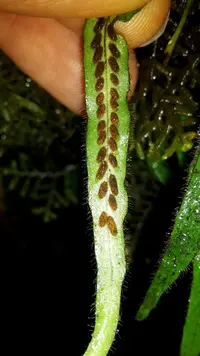
This species is named for its bright green rachis, the central leaf stalk, which clearly distinguishes it from the closely related Asplenium trichomanes that has a dark brown to black rachis.

Limestone crevice specialist

It naturally grows in cool, shaded crevices of calcareous rocks, especially limestone, where its roots exploit tiny fissures with higher moisture and mineral content than surrounding exposed rock.

Northern, montane distribution

Asplenium viride has a circumpolar distribution in the Northern Hemisphere, occurring in cool-temperate to subarctic and montane regions of Europe, Asia, and North America, often at higher elevations than many other small spleenworts.

Botan icon

Did you know?

Chromosome studies show that Asplenium viride is a diploid species that has contributed genetically to certain hybrid Asplenium ferns, making it an important parent taxon for understanding evolution and speciation within the spleenwort group.

FAQs about Green Spleenwort

This fern is evergreen in mild climates, holding its fronds year-round if conditions stay cool and consistently moist. In harsher winters, fronds may partially die back, but the rootstock usually survives and produces new growth in spring.

Grow Healthy Plants with Botan Care

Keep your plants happy and healthy with plant identification, disease detection, and easy care guidance.

Botan plant care app — identify plants on mobile

Explore More Plants