Asteranthera Care (Asteranthera ovata)

Asteranthera

About Asteranthera

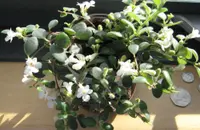
Asteranthera ovata is a small evergreen creeping plant in the gesneriad family, grown mainly for its delicate foliage and tubular flowers. It typically forms low, spreading mats that cling to rock surfaces or hang slightly over edges.

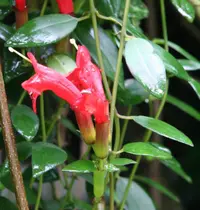
In nature it occurs in the cool, humid forests of southern Chile and Argentina, often in shaded, mossy habitats. The red and white flowers are adapted to hummingbird pollination, giving it a distinctive appearance in bloom.

Its need for consistent moisture, cool temperatures, and good air movement makes it somewhat challenging outside suitable climates. Gardeners who learn how to care for Asteranthera usually succeed by matching its cool, moist, shaded woodland conditions.

It generally prefers soft light, evenly moist but well-drained soil, and protection from heat and drying winds.

Main Plant Requirements

Care Difficulty

Hard Care

Light Preference

Partial Shade

Water Requirements

Keep Soil Moist

Temperature Preference

Cool Climate

Hardiness Zone

8–10

Soil Texture

Loamy, Peaty, Organic-rich

Soil pH

Acidic (5.5–6.5)

Soil Drainage

Moist but well-drained

Fertilization

Minimal (feed rarely)

Get Personalized Care Plan

Scan your plant to receive care tips personalized for your specific plant

Available on iOS and Android

How to Care for the Asteranthera

This small Chilean climber prefers cool, soft light that mimics a moist forest edge.

  • Provide bright dappled shade or morning sun with light filtered through shrubs or trees, aiming for 2–4 hours of gentle direct light per day.
  • Protect Asteranthera from strong midday and afternoon sun, which can scorch foliage and dry shallow roots, especially in summer.
  • In warmer climates, increase shade in late spring–summer, while in cooler or coastal areas it tolerates more open, bright shade without leaf burn.

This species prefers evenly moist, cool soil but reacts poorly to waterlogged conditions.

  • Water when the top 2–3 cm of soil feel slightly dry, letting deeper soil stay moist, and pour slowly so water soaks in rather than running off.
  • Use humus-rich, free-draining soil on a slope or raised position so excess water can drain away, reducing root rot risk in Asteranthera ovata.
  • In summer dry spells, increase watering while watching for wilting or crisp leaf edges; in cool, wet seasons, reduce watering and monitor for yellowing, mushy stems.

This cool-temperate understory plant prefers mild conditions without temperature extremes.

  • Aim for 50–70°F (10–21°C) for active growth, with steady moisture and shelter from drying winds or intense reflected heat.
  • Protect plants from hard frost below about 23°F (-5°C); brief light frosts are often tolerated if soil is not waterlogged and roots are mulched.
  • In hot summers above 80°F (27°C), increase shade and soil moisture, keeping roots cool, and avoid planting in exposed, heat-reflective sites.

This species prefers consistently moist, cool air and is sensitive to very dry indoor conditions.

  • Aim for 60–80% humidity, using a cool, humid microclimate such as a shaded patio or moist greenhouse corner.
  • Tolerates brief dips to 40–50%, but dry heated rooms cause leaf curl, browning tips, and stalled growth.
  • Increase humidity with grouped plantings, trays of damp pebbles near the pot, or localized misting avoiding waterlogged foliage pockets.

Asteranthera ovata grows best in loose, moisture-retentive but sharply drained soil rich in organic matter.

  • Use a mix of roughly 50% fine bark or leaf mold, 30% compost, and 20% perlite or coarse sand for structure and drainage.
  • Aim for slightly acidic soil, pH 5.5–6.5, which supports nutrient uptake and healthier root development.
  • Ensure the mix feels springy and crumbly, not compact; add more bark or perlite if it stays dense or soggy after watering.
  • Avoid heavy clay, peat-only mixes, or spots where water pools, as prolonged saturation promotes root rot and stem dieback.

This plant is suitable for containers, especially in cool, shaded outdoor settings.

  • Choose a broad, shallow pot to accommodate its mat-forming habit and allow lateral spread of stems and roots.
  • Select a slightly heavier material such as ceramic to stabilize the plant as it trails or leans over the rim.
  • Elevate the container on feet or bricks so drainage holes stay clear and excess water escapes quickly after rain or watering.

This small Chilean climber prefers modest feeding, especially when grown in containers.

  • Use a balanced liquid fertilizer (around 10-10-10) at 1/2 strength every 4–6 weeks during spring–summer growth.
  • In humus-rich garden soil, rely mainly on compost or leaf mold lightly applied in spring.
  • Avoid high-nitrogen lawn or shrub fertilizers, which can reduce flowering and scorch roots.
  • Stop feeding Asteranthera ovata in late summer and do not fertilize during winter dormancy.

Pruning needs for Asteranthera ovata are light and mainly focused on tidying the vine.

  • Carry out pruning in late winter or early spring before new growth starts.
  • Remove dead, damaged, or crossing stems with clean, sharp hand pruners.
  • Shorten overly long shoots to encourage a compact shape and more flowering side stems.
  • Disinfect blades between plants to limit disease spread and avoid tearing thin stems.

This species is usually grown as a groundcover or small climber, so transplanting is more common than frequent repotting.

  • Transplant in early spring or early fall when temperatures are mild and soil is moist.
  • Look for roots circling the pot, drying out fast, or slowed top growth as signs it needs more space.
  • Move into a slightly larger container or ground position with cool, humus-rich, well-drained soil.
  • Keep the root ball intact, water thoroughly, and shade for a few days to reduce transplant stress.

Gardeners usually propagate Asteranthera ovata vegetatively to keep the same flower and growth traits.

  • Take semi-ripe stem cuttings in late spring–summer and root them in moist, free-draining mix under high humidity.
  • Use simple layering by pegging a flexible stem to the soil until roots form, then detach and plant.
  • Sow fresh seed in autumn in a cool, shaded frame; germination can be slow and irregular.
  • Maintain even moisture and gentle airflow to limit rot while young plants establish.

This cool-temperate forest plant prefers mild winters and benefits from some protection in colder regions.

  • Consider it frost sensitive below about 20–25°F, especially in exposed sites.
  • Apply 5–8 cm of loose organic mulch around the root zone, keeping it off the stems.
  • Grow containers in a sheltered, shaded porch or cool greenhouse over winter in cold climates.
  • Avoid waterlogged soil, which increases root loss during repeated freeze–thaw cycles.

Care Tips

Cool-root mulching

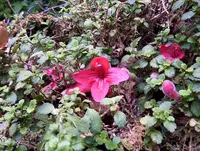
Apply a 3–5 cm layer of fine bark or leaf mold around the root zone to keep roots cool and moist, which closely mimics its native forest floor conditions and reduces stress in warm spells.

Moisture-retentive staging

When using containers, stand the pot inside a slightly larger decorative cachepot lined with damp sphagnum moss to buffer moisture and prevent rapid drying of the fine, surface-feeding roots.

Shaded vertical support

Provide a rough, shaded support such as a moss pole, bark slab, or trellis panel so stems can scramble and root along the surface, which encourages denser foliage and more flowering nodes.

Gentle airflow management

Place plants where there is light, steady air movement but no direct drafts, as this reduces fungal problems on dense foliage while preventing the delicate leaves from desiccating.

Cool-season monitoring

In winter, regularly check for rot at stem bases and in the crown area, promptly trimming out any soft, dark tissue and improving drainage to protect this species during its most vulnerable season when caring for Asteranthera.

Common Pests and Diseases

Slugs and snails

This pest is strongly attracted to the plant’s soft, evergreen foliage and can rapidly skeletonize leaves, especially in damp, shaded conditions typical for Asteranthera ovata care.

Solution

Hand-pick at dusk or after rain, use slug traps or iron phosphate baits, and remove damp hiding spots such as dense ground debris. In pots, use copper tape around rims and keep mulch slightly pulled back from stems to reduce access.

Leaf spot

This disease appears as small, dark, water-soaked or tan spots on leaves, often spreading in cool, moist, low-light conditions under tree cover or in greenhouses.

Solution

Remove and discard affected leaves, then improve air circulation by thinning surrounding vegetation and avoiding overhead watering. If the problem persists, use a copper-based or chlorothalonil fungicide labeled for ornamental plants, applying in cool, dry weather and following label directions.

Botrytis blight

This disease develops as gray, fuzzy mold on flowers, stems, and leaves, especially when the plant stays damp for long periods and light levels are low.

Solution

Promptly remove faded flowers and any gray, moldy tissue, and ensure good airflow by spacing plants and avoiding crowding with other groundcovers. Allow the top layer of substrate to dry slightly between waterings and, in serious cases, use a botrytis-targeted fungicide approved for ornamentals.

Spider mites

This pest may appear on Asteranthera grown under glass or indoors, causing fine stippling on leaves, dulling of the foliage, and delicate webbing between stems in warm, dry air.

Solution

Rinse foliage thoroughly with a strong but gentle stream of water, including leaf undersides, and increase ambient humidity while avoiding waterlogged soil. For persistent infestations, apply insecticidal soap or horticultural oil at 5–7 day intervals, ensuring full leaf coverage each time.

Mealybugs

These insects form white, cottony clusters in leaf axils and along stems, sucking sap and causing distorted growth, especially on sheltered, container-grown plants.

Solution

Wipe visible insects with cotton swabs dipped in isopropyl alcohol, then shower the plant to dislodge remaining pests. If needed, repeat treatments with insecticidal soap or a light horticultural oil, and inspect nearby plants to remove any hidden reservoirs of infestation when growing Asteranthera.

Interesting Facts

Chilean cloud-forest specialist

This species is naturally restricted to cool, very humid temperate rainforests of southern Chile and adjacent Argentina, where it grows on mossy tree trunks and rocks in deep shade near streams and waterfalls.

Humminbird-adapted flowers

Its tubular, bright red flowers with protruding stamens are shaped for pollination by hummingbirds, which can easily reach the nectar while transferring pollen between blooms.

Creeping epiphytic habit

The plant often behaves as an epiphyte or lithophyte, forming creeping mats over bark or rock surfaces rather than rooting deeply in soil, which allows it to exploit moist vertical surfaces in its native habitat.

Botan icon

Did you know?

This species is the only member of the genus Asteranthera, making it a monotypic genus within the Gesneriaceae, so studying it helps botanists understand evolutionary relationships among New World gesneriads.

FAQs about Asteranthera

This species is a small, wiry, creeping vine that spreads along surfaces and can clamber gently over rocks, roots, or low supports. It does not form heavy woody stems and usually stays low and fine-textured.

Grow Healthy Plants with Botan Care

Keep your plants happy and healthy with plant identification, disease detection, and easy care guidance.

Botan plant care app — identify plants on mobile

Explore More Plants