Wind-hardening regime
If grown outdoors in mild climates, gradually expose young plants to increasing wind over 1–2 weeks so stems lignify (develop wood) and resist breakage rather than staying soft and weak.

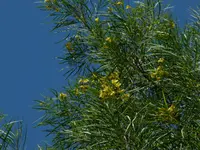
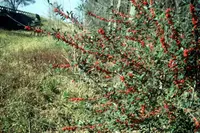
Astianthus (Astianthus viminalis) is a woody shrub or small tree from the cloud forests of Central America, where it often grows along moist mountain streams. It typically forms an upright, slender habit with narrow, willow-like leaves and clusters of tubular flowers that attract pollinators. In cultivation it is still quite rare and mainly grown by collectors or botanical gardens rather than casual gardeners. The plant prefers mild conditions, consistent moisture, and well-drained, humus-rich soil, which can make it challenging in hot, dry, or very cold climates. Understanding how to care for Astianthus starts with providing a stable, sheltered environment that mimics its cool, humid native habitat.

Care Difficulty
Moderate Care

Light Preference
Partial Sun

Water Requirements
Moderate Water

Temperature Preference
Warm Climate

Hardiness Zone
Unknown

Soil Texture
Loamy, Sandy, Organic-rich

Soil pH
Slightly acidic (6.5–7.0)

Soil Drainage
Well-drained

Fertilization
Minimal (feed rarely)
Scan your plant to receive care tips personalized for your specific plant
Available on iOS and Android
This shrub prefers bright conditions with some protection from intense midday sun.
Watering should keep the root zone lightly moist but never saturated.
This species prefers mild, frost-free climates with only moderate heat.
This species prefers moderately humid air but usually adapts to typical indoor levels if not kept very dry for long periods.
Astianthus viminalis grows best in light, fast-draining mineral soil that does not stay waterlogged after rain or irrigation.
This species can be grown in containers if the pot is prepared to support its fine root system and upright woody growth.
Light, balanced feeding supports steady growth in Astianthus viminalis without encouraging weak, lush shoots.
Thoughtful pruning keeps Astianthus viminalis healthy, manageable, and structurally strong.
This species is usually grown in the ground, so focus on careful transplanting rather than frequent repotting.
Astianthus viminalis is most often propagated by semi-hardwood cuttings or seeds under stable, warm conditions.
This plant is moderately frost sensitive, so some winter precautions improve long-term survival in cooler climates.

Plant Health Check
Not sure what's wrong with your plant? Check your plant's health inside the app.
This species is a monotypic member of the genus Astianthus within the verbena family Verbenaceae, meaning it is the only species in its genus and has no close sister species sharing the same generic name.
Astianthus viminalis naturally occurs along rivers and streams in Mexico and Central America, where it contributes to stabilizing banks and tolerates periodic flooding better than many neighboring woody plants.
Despite not being related to true willows (genus Salix), this shrub or small tree bears long, narrow, pendent leaves that give it a willow-like appearance and likely inspired the species epithet viminalis, which refers to flexible, twiggy growth.
Lack of bloom often comes from insufficient light, nutrient-imbalanced soil, or heavy pruning at the wrong time. Avoid cutting new shoots, maintain moderate fertility, and ensure the plant experiences a clear seasonal rhythm to form flower buds.
Keep your plants happy and healthy with plant identification, disease detection, and easy care guidance.