Astroloba spirella Care

Astroloba spirella

About Astroloba spirella

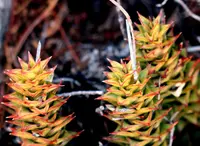
Astroloba spirella is a small, slow-growing succulent from South Africa, related to aloes. It forms tight, spiral columns of triangular, gray-green leaves with firm, pointed tips. Over time, clumps can develop from the base, giving the plant a sculptural, architectural look well suited to containers and rock gardens. Flowers are usually small and tubular, appearing on slender stalks in the growing season. Its drought tolerance, modest size, and slow growth rate make it relatively easy to keep in indoor or patio settings. It prefers bright, indirect light, fast-draining soil, and careful watering, which guides how to care for Astroloba spirella.

Main Plant Requirements

Care Difficulty

Easy Care

Light Preference

Partial Sun

Water Requirements

Low Water

Temperature Preference

Tropical / Frost Sensitive

Hardiness Zone

10–11

Soil Texture

Sandy, Loamy, Rocky

Soil pH

Slightly acidic (6.5–7.0), Neutral (7.0)

Soil Drainage

Well-drained

Fertilization

Minimal (feed rarely)

Get Personalized Care Plan

Scan your plant to receive care tips personalized for your specific plant

Available on iOS and Android

How to Care for the Astroloba spirella

This compact succulent prefers bright, gentle light to develop dense, even rosettes.

  • Provide 4–6 hours of bright, indirect light or soft morning sun; shield from harsh midday summer sun to prevent leaf scorch and bleaching.
  • Plant where it receives dappled or filtered light in the afternoon; in very hot regions, give light shade from about 11 a.m. to 3 p.m.
  • In low light, rosettes of Astroloba spirella may stretch and lose form; move gradually to a brighter spot over 7–10 days to avoid shock.

Watering should mimic brief desert rains followed by dry periods.

  • Allow the top 3–5 cm of soil to dry completely before watering; then soak thoroughly so excess drains away, avoiding any standing water around roots.
  • Reduce watering sharply in winter, sometimes to only once every 3–4 weeks, especially in cool conditions, to limit root rot risk in this slow-growing succulent.
  • Watch leaves for cues: soft, shriveling leaves suggest underwatering, while mushy, translucent, or yellowing leaves indicate overwatering and poor drainage for Astroloba spirella.

Stable, warm conditions support compact growth and healthy roots.

  • Aim for 65–80°F (18–27°C) as the main growing range, with slightly cooler nights improving resilience and reducing stress on this succulent.
  • Protect from cold; it may tolerate brief dips to about 30–32°F (-1–0°C) if dry, but repeated frost damages leaves and can kill roots.
  • In hot spells above 90°F (32°C), increase airflow, provide afternoon shade, and avoid watering soil that is very hot to prevent root damage.

This succulent tolerates typical indoor humidity and does not require special moisture in the air.

  • Target 30–50% humidity, similar to most heated or air-conditioned homes.
  • Plants tolerate dry air well; prioritize proper light and watering over humidity adjustments.
  • If leaf tips shrivel while soil is not overly dry, mildly raise humidity with a nearby pebble tray rather than misting.

This species needs a very fast-draining, mineral-rich mix to prevent root rot.

  • Use a gritty, sandy mix such as 50–70% inorganic material (pumice, coarse perlite, or grit) blended with 30–50% cactus potting mix.
  • Aim for slightly acidic to neutral pH around 6.0–7.0, which suits most succulents and supports nutrient uptake.
  • Increase aeration by using large-particle materials (3–6 mm) and avoiding fine peat that compacts and holds excess water.
  • Avoid dense, water-retentive garden soil, straight compost, or mixes that stay wet longer than 2–3 days after watering, especially for growing Astroloba spirella.

This compact succulent is well suited to container growing.

  • Choose a pot only 2–3 cm wider than the root ball to keep the mix drying evenly and reduce prolonged dampness around roots.
  • Select unglazed terracotta if extra moisture loss is needed, or a heavier ceramic pot outdoors to prevent tipping in wind.
  • Ensure large, unobstructed drainage holes and elevate the pot slightly so excess water escapes quickly and does not pool under the base.

This drought-adapted succulent needs only light feeding to stay healthy in containers.

  • Use a diluted balanced liquid cactus or succulent fertilizer (around 10-10-10) at 1/4–1/2 strength.
  • Feed Astroloba spirella once every 4–6 weeks during the warm growing season only.
  • Skip fertilizer in winter or when growth slows, as excess nutrients can cause weak, elongated growth.
  • Avoid compost-rich or heavily manured mixes, which hold too much moisture and may damage roots.

This species needs minimal pruning, mainly to keep rosettes tidy and disease free.

  • Best time for light pruning is late spring to early summer, when plants are actively growing.
  • Remove dry, dead, or damaged leaves at the base to improve airflow and reduce rot risk.
  • Cut away crowded or etiolated stems to maintain compact shape and encourage stronger new growth.
  • Use clean, sharp scissors or pruners, and let any wounds dry in bright, indirect light.

Container-grown plants benefit from occasional repotting to refresh soil and prevent root congestion.

  • Repot every 2–3 years, or when roots circle the pot, growth slows, or water drains poorly.
  • Choose late spring for repotting Astroloba spirella so it can re-establish during the active season.
  • Use a shallow pot with drainage holes and a gritty cactus mix to limit water retention around roots.
  • Gently loosen roots, remove old soil, replant at the same depth, then keep slightly dry for 7–10 days to reduce transplant stress.

This succulent is most commonly propagated from offsets rather than seeds.

  • Detach firm offsets in late spring or early summer, when plants are actively growing.
  • Let cut surfaces dry and callus for 2–5 days in a shaded, airy place before planting.
  • Set offsets into a barely moist, gritty cactus mix and keep in bright, indirect light.
  • Maintain warm conditions around 70–80°F with very light watering until new roots form and growth resumes.

This plant is not frost hardy and benefits from thoughtful winter management in most climates.

  • Move outdoor containers indoors before temperatures drop near 35°F, choosing a bright, cool room.
  • Keep soil almost dry in winter, watering lightly only when the mix has been dry for many days.
  • Avoid cold drafts and prolonged exposure below 40°F to prevent leaf and root damage.
  • In mild climates, place pots under deep eaves to keep rain off and reduce chilling of the root zone.

Care Tips

Offset management

Remove and replant offsets only when they have several roots of their own, using a clean, sharp knife and allowing the cut surfaces to dry 2–3 days before potting to reduce rot risk.

Pot size control

Choose a pot only 2–4 cm wider than the root ball, since slightly tight quarters help maintain compact rosette shape and reduce excess moisture in the mix.

Rotation for symmetry

Rotate the pot 90° every 2–3 weeks during the brighter months so the spiraled leaves develop evenly and the plant does not lean toward the light source.

Summer stress coloring

For more pronounced leaf texture and subtle stress coloration, gradually introduce a bit more direct sun in late spring while monitoring the foliage closely for any signs of bleaching or scorch.

Winter rest adjustment

In cooler, low-light winter conditions, reduce disturbance and avoid repotting, as a relatively quiet rest period supports healthier growth when conditions improve, which is central to Astroloba spirella care instructions.

Common Pests and Diseases

Mealybugs

This pest appears as small white cottony clusters tucked in leaf rosettes and along leaf bases, where it feeds on sap and weakens the plant over time.

Solution

Remove visible clusters with a cotton swab dipped in 70% isopropyl alcohol, then rinse the plant gently and allow it to dry in bright, airy conditions; repeat weekly until no new insects appear and isolate the plant from others during treatment as part of careful Astroloba spirella care instructions.

Aloe mite

This pest causes distorted, swollen, or wart-like growths on leaves and rosettes due to microscopic mites feeding inside the tissue.

Solution

Cut away and discard all deformed tissue well back into healthy growth, sterilizing tools between cuts, then keep the plant in a drier, well-ventilated spot and monitor new leaves closely, disposing of severely affected plants if symptoms continue to spread.

Aphids

These insects cluster on soft new growth and flower stalks, sucking sap and leaving sticky honeydew that can attract sooty mold.

Solution

Rinse the plant under a gentle stream of water to dislodge colonies, then treat remaining insects with insecticidal soap or a dilute neem oil spray applied to all leaf surfaces, repeating every 5–7 days until no aphids are seen.

Fungal leaf spots

This disease shows as small brown or black spots on leaves, sometimes with a yellow halo, often triggered by prolonged moisture on the foliage in cool conditions.

Solution

Remove and discard affected leaves, keep water off the foliage, improve airflow, and allow the soil to dry more thoroughly between waterings; in persistent cases use a sulfur or copper-based fungicide according to label directions and adjust watering to a lighter schedule.

Interesting Facts

Spiral leaf architecture

This species forms tight, spiraling leaf columns, with each new leaf slightly offset from the previous one, creating a geometric tower that is especially pronounced in older rosettes.

Karoo habitat specialist

It is naturally restricted to arid, rocky slopes in the Little Karoo of South Africa, where it grows in shallow crevices and between stones that protect its roots from extreme heat.

Camouflage through coloration

The leaves are grey‑green to bluish and can flush brownish under strong sun, helping the plant blend with surrounding stone and soil surfaces in its native habitat.

FAQs about Astroloba spirella

This species grows slowly, typically adding only a few leaf tiers each year. Growth is faster with bright light, warm temperatures, and a lean, gritty substrate. Expect modest size increases rather than rapid, noticeable expansion.

Grow Healthy Plants with Botan Care

Keep your plants happy and healthy with plant identification, disease detection, and easy care guidance.

Botan plant care app — identify plants on mobile

Explore More Plants