Narrowleaf Milkball Care (Euphorbia silenifolia)

Also known as: Narrowleaf Tuber Milkball
Narrowleaf Milkball

About Narrowleaf Milkball

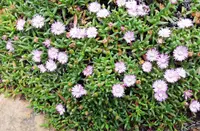
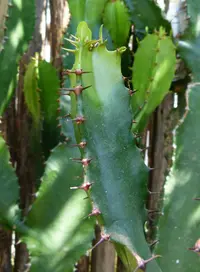
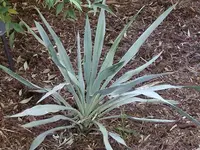
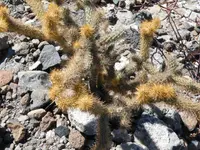
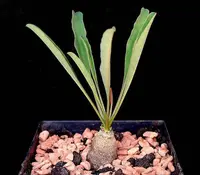
Narrowleaf milkball, Euphorbia silenifolia, is a small succulent shrublet from arid regions of South Africa. It forms a low, compact mound of many thin, upright stems with narrow leaves that may drop in dry conditions.

The plant produces small, yellowish flower structures near the stem tips and exudes a white sap when damaged. Its tidy growth habit makes it suitable for pots, rock gardens, and dry indoor windowsills.

This species prefers bright light, very well-draining mineral soil, and infrequent but deep watering. Once its basic needs are understood, it is relatively straightforward to care for Narrowleaf Milkball, especially in low-humidity, drought-prone settings.

Main Plant Requirements

Care Difficulty

Moderate Care

Light Preference

Full Sun

Water Requirements

Low Water

Temperature Preference

Tropical / Frost Sensitive

Hardiness Zone

10–11

Soil Texture

Sandy, Loamy, Rocky

Soil pH

Slightly acidic (6.5–7.0), Neutral (7.0)

Soil Drainage

Well-drained

Fertilization

Minimal (feed rarely)

Get Personalized Care Plan

Scan your plant to receive care tips personalized for your specific plant

Available on iOS and Android

How to Care for the Narrowleaf Milkball

This compact succulent prefers bright, dry conditions that mimic its native habitat.

  • Provide 6–8 hours of bright light daily, ideally with morning sun and light afternoon shade, especially in hot, dry climates.
  • Outdoors, place Euphorbia silenifolia where it receives filtered or partial sun during the hottest midday hours to prevent stem scorch.
  • In regions with low natural light, growing Narrowleaf Milkball in a spot with unobstructed east or south exposure helps prevent elongated, weak growth.

This drought-tolerant succulent is sensitive to excess moisture and prefers thorough but infrequent watering.

  • Allow the top 3–5 cm of soil to dry completely before watering, then soak the root zone and let excess water drain away promptly.
  • Reduce watering sharply in cooler months when growth slows, checking soil by touch rather than following a fixed schedule for Euphorbia silenifolia.
  • Watch for yellowing, mushy stems as a sign of overwatering, and shriveling, wrinkled stems as a sign the plant needs a deep drink.

This species thrives in warm, dry climates and is not tolerant of hard frost.

  • Aim for active growth temperatures around 65–80°F (18–27°C), with drier air and well-drained soil to prevent cold, damp stress.
  • Protect the plant from frost; short drops near 32°F (0°C) can damage tissues, so move or cover it when night temperatures approach freezing.
  • It tolerates heat up to about 95°F (35°C) if soil does not stay wet and the plant receives some protection from extreme afternoon sun.

This species tolerates typical indoor humidity and rarely needs special adjustments.

  • Aim for 30–50% humidity; avoid persistently damp, stagnant air around Narrowleaf Milkball.
  • Dry indoor air is usually acceptable, but combine low humidity with bright light and sparse watering to prevent soft, etiolated growth.
  • If stems shrivel while soil stays dry, increase ambient humidity slightly with nearby plants or a small room humidifier rather than misting.

This succulent requires a very fast-draining, mineral-based substrate to prevent root and stem rot.

  • Use a gritty mix such as 50–70% inorganic material (pumice, perlite, coarse sand, fine gravel) with 30–50% cactus potting mix for structure.
  • Ensure the mix feels loose and crumbly, not compacted, so roots receive ample air and excess water drains within seconds.
  • Keep pH slightly acidic to neutral, around 6.0–7.0, which suits Euphorbia silenifolia and limits nutrient lockout.
  • Avoid peat-heavy, moisture-retentive, or clay-rich soils that stay wet for more than 1–2 days after watering.

This species is well suited to container culture when drainage and pot proportions are managed carefully.

  • Select a shallow, wide pot to match the relatively fine root system and keep the plant stable on the surface of the mix.
  • Choose unglazed terracotta if extra evaporation is needed in cool, low-light conditions, or a thicker ceramic pot to slow drying in hot, bright spots.
  • Raise the container slightly on feet or spacers so drainage holes never sit in collected runoff and the lower root zone can dry efficiently.

Euphorbia silenifolia is a low-feeding succulent that benefits from light, controlled nutrition in active growth.

  • Use a diluted balanced liquid fertilizer (for example 10-10-10 or 20-20-20 at 1/4–1/2 strength) during spring–summer.
  • Feed every 4–6 weeks while soil is warm and growth is visible; avoid heavy, frequent applications.
  • Skip fertilizer in late fall and winter when growth slows and the plant rests.
  • A sparse, mineral-based mix and restrained feeding support compact, healthy Narrowleaf Milkball growth.

Pruning Euphorbia silenifolia is mainly done to keep the plant compact and remove unsound growth.

  • Best time for pruning is late spring to mid-summer, when the plant is actively growing.
  • Remove dead, damaged, or shriveled stems first, then thin crowded shoots to maintain the cushion shape.
  • Use clean, sharp scissors or small pruning shears and avoid crushing the succulent stems.
  • Allow cut surfaces to dry and callus to lower the risk of rot and disease entry.

Repotting Euphorbia silenifolia is infrequent and should focus on root health, not forcing rapid growth.

  • Repot only when roots circle the pot, emerge from drainage holes, or growth slows despite good light.
  • Plan repotting for late spring, every 3–4 years, when active growth helps recovery.
  • Choose a shallow pot with excellent drainage and a gritty, cactus-style mix to reduce waterlogging stress.
  • Gently loosen the root ball, remove rotten roots, then replant at the same depth and keep soil slightly dry for 1–2 weeks.

Propagation of Euphorbia silenifolia is usually done from stem cuttings under warm, bright conditions.

  • Take short, firm stem cuttings in late spring or early summer using a clean, sharp blade.
  • Wear gloves and avoid skin contact with the milky sap, which can irritate; let cut ends dry and callus for several days.
  • Insert callused cuttings into a barely moist, gritty mix and keep in bright, indirect light with good airflow.
  • Maintain moderate warmth (70–80°F) and very light watering until new growth confirms rooting.

Euphorbia silenifolia dislikes prolonged frost and needs simple measures to stay dry and above freezing in winter.

  • For container plants, move indoors or to a cold greenhouse before temperatures drop below 35–40°F.
  • Keep soil almost dry in winter to reduce rot risk, especially in cool, low-light conditions.
  • In mild climates, use a gravel or stone mulch to keep the crown drier and buffer temperature swings.
  • Provide as much light as possible indoors, near a bright window or under grow lights, to prevent stretching.

Care Tips

Stabilize Shallow Roots

Use a wide, shallow clay pot and top-dress with coarse grit or small stones to anchor the plant’s small root system and prevent the stems from shifting or snapping when the pot is moved.

Rotate For Even Domes

Rotate the pot 90° every 2–3 weeks so the cushion of stems grows evenly and does not lean or flatten on one side from reaching toward the light source.

Protect Irritant Sap

Wear disposable gloves and keep paper towels handy when removing dead stems, and immediately blot any broken areas to control the white sap, which can irritate skin and stain surfaces.

Dry, Cool Winter Rest

In late fall, shift the plant to a slightly cooler, very bright spot and reduce watering sharply to encourage a defined winter rest period that promotes tighter, more compact growth in spring.

Quarantine New Succulents

When adding new succulents nearby, keep them in a separate area for 2–3 weeks and inspect regularly for mealybugs or spider mites before placing them with your established plant, which supports healthier long-term Euphorbia silenifolia plant care.

Common Pests and Diseases

Mealybugs

This pest feeds on sap and often hides in crevices between stems and at the base of the plant, sometimes looking like small bits of cotton. Symptoms include stunted growth, yellowing, and sticky honeydew deposits around the plant.

Solution

Isolate the plant, then dab visible insects with cotton swabs dipped in 70% isopropyl alcohol and repeat weekly until no new mealybugs appear. For heavier infestations, rinse the plant thoroughly with a strong, lukewarm water spray and follow up with a labeled insecticidal soap, keeping the plant in bright, dry, well-ventilated conditions to reduce reinfestation.

Spider mites

These insects thrive in warm, dry conditions and can cause fine speckling on stems and tiny webbing in the plant’s joints. Symptoms include dull, stressed-looking stems and a general loss of vigor.

Solution

Rinse the plant under a firm but controlled stream of lukewarm water, focusing on joints and undersides where mites hide, and repeat every few days for several cycles. Improve air movement, avoid overly hot and dry spots, and if the problem persists, apply a miticidal product or insecticidal soap labeled for spider mites, ensuring full coverage of all surfaces.

Scale insects

This pest appears as small, hard, brown or tan bumps along stems, often blending with the plant’s surface. Symptoms include yellowing, reduced growth, sticky honeydew, and sometimes sooty mold growing on the excreted sugars.

Solution

Gently scrape or lift individual scales off with a fingernail or soft tool and wipe stems with a cloth lightly moistened with 70% isopropyl alcohol. For more extensive infestations, use a systemic insecticide labeled for succulents or repeated applications of insecticidal soap, keeping the plant slightly drier and with good air flow to discourage further outbreaks.

Corking and stem lesions

This disease-like condition shows as brown, corky patches or localized lesions on stems, often triggered by minor wounds, sun stress, or previous pest damage. Symptoms include hardened, scarred areas that may spread slowly along ribs or segments.

Solution

Remove any clearly softened or decaying tissue with a clean, sharp blade, leaving only firm, healthy stems, and let cut surfaces dry and callus in a bright, airy place out of direct harsh sun. Adjust care by avoiding sudden full-sun exposure after shade, protecting the plant from physical injury, and monitoring for underlying pests that may have initiated the damage.

Stem rot (wet rot)

This disease develops when the plant is kept too wet or exposed to prolonged cold, causing stems to become soft, discolored, and sometimes foul-smelling at the base or along segments. Symptoms include rapid collapse of affected areas and possible spreading up the stem.

Solution

Cut away all rotted tissue well into firm, healthy material with a sterile knife and discard infected parts, then allow cut surfaces to dry and form a callus for several days before replanting in fresh, sharply draining cactus/succulent mix. Reduce watering to light, infrequent soakings only when the mix is completely dry, and keep the plant in a warm, bright, well-ventilated position to prevent recurrence, following basic Euphorbia silenifolia care guidelines for moisture and temperature.

Interesting Facts

Miniature cushion growth

This species forms tight, low mounds of many tiny, cylindrical stems, creating a compact cushion that helps reduce water loss and protect the growing points in arid habitats.

Dry-steppe specialist

It is naturally restricted to dry, open, often rocky sites in South Africa, showing clear adaptation to intense sun, poor soils, and pronounced seasonal drought.

Hidden leaf function

The narrow, often short-lived leaves appear near the stem tips and soon fall, leaving photosynthetic green stems that continue most of the plant’s light capture.

Botan icon

Did you know?

In cultivation this species can enter a pronounced summer or winter rest period, during which it may almost stop growing and slightly shrivel, a drought-survival strategy that often worries growers but is normal for plants adapted to highly seasonal rainfall.

FAQs about Narrowleaf Milkball

Poor flowering usually comes from insufficient light, cool temperatures, or a recent repot that disrupted roots. Check that the plant is mature, receives strong light, and is not stressed by frequent disturbance or heavy pruning.

Grow Healthy Plants with Botan Care

Keep your plants happy and healthy with plant identification, disease detection, and easy care guidance.

Botan plant care app — identify plants on mobile

Explore More Plants