Mulch For Coolness
Apply a 3–5 cm layer of fine bark or leaf mold around the crown to keep roots cool, stabilize moisture, and suppress weeds without burying the growing points.

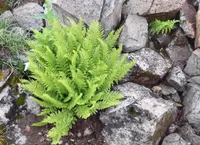
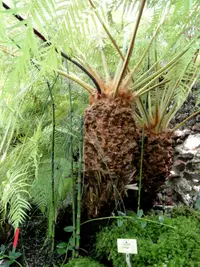
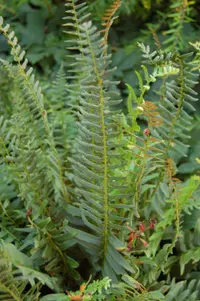
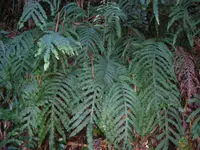
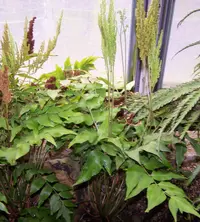
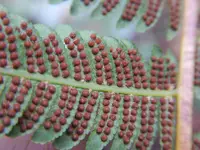
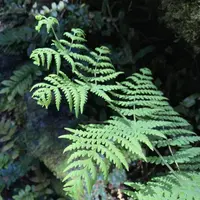
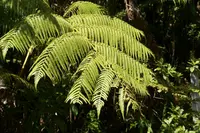
Alpine ladyfern, Athyrium americanum, is a small, deciduous fern native to cool mountain regions of North America. It typically grows in clumps with delicate, finely divided fronds. The fronds form soft, arching tufts that give the plant a light, lacy look, often bright to medium green through the growing season. It usually occurs along streams, moist rocky slopes, and cool woodland openings. This species prefers consistently moist, well-drained, humus-rich soil and shade to partial shade. Its need for cool, moist conditions means it is easier in temperate, sheltered gardens, and care for alpine ladyfern focuses on protecting it from heat and dryness.

Care Difficulty
Moderate Care

Light Preference
Partial Shade

Water Requirements
Keep Soil Moist

Temperature Preference
Cold Hardy

Hardiness Zone
3–7

Soil Texture
Loamy, Silty, Organic-rich

Soil pH
Acidic (5.5–6.5), Slightly acidic (6.5–7.0)

Soil Drainage
Moist but well-drained

Fertilization
Minimal (feed rarely)
Scan your plant to receive care tips personalized for your specific plant
Available on iOS and Android
This fern prefers cool, filtered light similar to bright woodland conditions.
This species prefers consistently moist, cool soil without becoming waterlogged.
This fern is naturally cold-hardy but grows best in cool, moderate temperatures.
This fern prefers consistently moist, cool air and is moderately sensitive to very dry indoor conditions.
This species grows best in deep, humus-rich soil that stays evenly moist yet never waterlogged.
This fern can grow in containers when the pot is managed to keep roots cool, moist, and well aerated.
This native fern grows well in humus-rich soil and usually needs only light feeding.
Pruning Athyrium americanum focuses on removing old fronds to keep the clump tidy and healthy.
This fern is usually grown in the ground, with transplanting done infrequently and only when needed.
This fern is most commonly propagated by division, while spore propagation is possible but more technical.
This species is cold hardy in much of its native range and usually needs minimal winter care outdoors.

Plant Health Check
Not sure what's wrong with your plant? Check your plant's health inside the app.
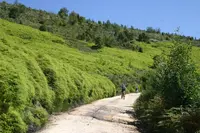
This fern is native to rocky, high-elevation stream banks and seeps in the Rocky Mountains, often growing in cool, moist microsites close to snowmelt and cold water flow.
In the wild it commonly anchors in crevices of granitic or other acidic rocks, where constant seepage provides moving, oxygen-rich water around its shallow root system.
Although locally frequent in suitable alpine and subalpine habitats, it has a scattered distribution across western North America and is considered of conservation concern or vulnerable in some states due to its habitat specificity.
Yellowing fronds usually indicate natural aging, water stress, or nutrient-poor soil. Older fronds yellow and die back, especially in fall. Persistent yellowing across new growth suggests chronic overwatering, poor drainage, or a need for light feeding.
Keep your plants happy and healthy with plant identification, disease detection, and easy care guidance.