alpine lady-fern Care (Athyrium distentifolium)

Also known as: Newman's Lady-fern
alpine lady-fern

About alpine lady-fern

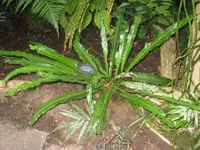
Athyrium distentifolium, commonly called alpine lady-fern, is a hardy, deciduous fern adapted to cool mountain climates. It forms upright clumps of finely divided fronds that give a soft, airy texture.

In nature it grows in high-altitude woodlands, rocky slopes, and moist, shaded banks, often among mosses and other alpine plants. Its tolerance of low temperatures and wind makes it suitable for cooler gardens.

This fern prefers consistently moist, humus-rich soil and dappled to full shade, and it resents drying out. With suitable moisture and shade, it is relatively low-maintenance, so learning how to care for alpine lady-fern mainly involves providing a cool, sheltered, and evenly damp site.

Main Plant Requirements

Care Difficulty

Moderate Care

Light Preference

Partial Shade

Water Requirements

Keep Soil Moist

Temperature Preference

Cold Hardy

Hardiness Zone

3–7

Soil Texture

Loamy, Peaty, Organic-rich

Soil pH

Strongly acidic (4.5–5.5), Acidic (5.5–6.5)

Soil Drainage

Moist but well-drained

Fertilization

Minimal (feed rarely)

Get Personalized Care Plan

Scan your plant to receive care tips personalized for your specific plant

Available on iOS and Android

How to Care for the alpine lady-fern

This fern prefers cool, shaded woodland-style light rather than direct, open sun.

  • Provide 2–4 hours of gentle morning sun with bright dappled or filtered light the rest of the day; avoid harsh afternoon sun that scorches fronds.
  • Plant alpine lady-fern in partial to full shade under trees, shrubs, or on north/east sides of buildings to mimic forest canopy conditions.
  • In summer, increase shade or add mulch if fronds yellow or crisp at the edges, a sign of excessive light and heat exposure.

This species prefers consistently moist, cool soil without becoming waterlogged.

  • Keep soil evenly moist by watering when the top 2–3 cm feel just barely dry, allowing no prolonged drying that leads to limp, browning fronds.
  • Ensure rich, humus-based soil with good drainage; standing water or sour smell indicates overwatering and root stress in Athyrium distentifolium.
  • In hot, dry periods, check moisture every 1–2 days, while in cool, rainy seasons rely more on natural rainfall and reduce supplemental watering.

This cool-climate fern is adapted to mountain conditions and tolerates significant cold.

  • Active growth is best at 50–68°F (10–20°C); plants slow or may scorch in prolonged heat above about 80°F (27°C), especially in sun.
  • Mature crowns typically survive winter cold down to about 0°F (-18°C) under snow cover or mulch, with fronds naturally dying back.
  • In hot regions, combine deep shade, mulch, and steady soil moisture to buffer high temperatures and prevent heat stress on new fronds.

This fern prefers consistently moist, cool air and reacts quickly to dry conditions.

  • Aim for 50–70% humidity, higher in heated homes where air dries out.
  • Tolerates brief dips to 40%, but fronds may crisp at edges and tips if air stays too dry.
  • Increase humidity by grouping plants, placing pots on pebble trays with water, or running a nearby cool-mist humidifier.

This species grows best in deep, moist, humus-rich soil that stays airy rather than compacted.

  • Use a loose mix of loam with plenty of leaf mold or compost to mimic woodland conditions for Athyrium distentifolium.
  • Ensure drainage is steady, not rapid, by blending in fine bark and a small amount of coarse sand or perlite.
  • Target a slightly acidic to neutral pH of about 5.5–7.0 to support nutrient uptake and root health.
  • Avoid heavy clay that stays waterlogged, as stagnant conditions encourage root and crown rot.

This fern can adapt well to container growing when moisture and stability are managed carefully.

  • Choose a pot slightly wider than the root mass but deep enough to keep the crown just above the soil surface, preventing rot.
  • Select a sturdy, heavier container material if exposed outdoors so wind does not tip over the expanding fronds.
  • Use a potting mix that retains moisture yet drains freely, then elevate the pot on feet so excess water clears quickly.

Athyrium distentifolium grows well in modestly fertile soil and needs only light feeding in cultivation.

  • Use a balanced, dilute liquid fertilizer (around 10-10-10) at 1/4–1/2 strength during active growth in spring and early summer.
  • Apply every 4–6 weeks if soil is poor; in rich beds, feeding is often unnecessary.
  • Organic compost or leaf mold around the root zone can replace synthetic fertilizer for alpine lady-fern.
  • Stop feeding in late summer and avoid fertilization during winter dormancy.

Pruning Athyrium distentifolium focuses on hygiene and tidiness rather than shaping.

  • In late fall or very early spring, cut back completely dead fronds at the base using clean, sharp shears.
  • Remove damaged, diseased, or badly tattered fronds whenever noticed to reduce pest and fungal issues.
  • Thin out heavily crowded fronds to improve air movement and maintain a neat, arching clump.
  • Disinfect tools before and after use to limit disease spread between plants.

This fern is usually grown in the ground, so care focuses on dividing and transplanting mature clumps rather than frequent repotting.

  • Plan division or transplanting in early spring as new croziers just start to emerge, or in early fall while soil is still warm.
  • Transplant when the clump becomes congested, growth slows, or fronds emerge smaller and weaker than usual.
  • Lift the root mass carefully, tease apart or cut sections with several healthy crowns, and replant at the same depth.
  • Water thoroughly after transplanting, keep soil evenly moist, and shade from intense sun for 1–2 weeks to reduce root stress.

Propagation of Athyrium distentifolium is most practical by division, with spore raising reserved for experienced growers.

  • Divide established clumps in early spring or early fall when soil moisture is good and temperatures are mild.
  • Lift the plant and separate the rhizome into sections, each with several fronds or buds, using a clean knife if needed.
  • Replant divisions into humus-rich, consistently moist, shady sites, firming soil gently around roots.
  • Spore propagation requires sterile, fine substrate, constant moisture, and patience, as germination and development are slow.

This alpine fern is naturally cold hardy and usually needs minimal winter care in temperate climates.

  • Tolerates substantial frost once established, with fronds typically dying back and crowns overwintering below soil.
  • Leave fallen fronds or add a light mulch layer to insulate the root zone, avoiding heavy, soggy coverings.
  • In very cold or exposed sites, add 5–8 cm of loose leaf mold around crowns for extra protection.

Care Tips

Mulch For Coolness

Apply a 3–5 cm layer of fine, composted bark or leaf mold around the crown each spring to keep roots cool, suppress weeds, and maintain the evenly moist conditions this fern prefers.

Staggered Shade Planting

Plant near low evergreen shrubs or taller perennials on the sunnier side so their foliage provides dappled shade during midday while still allowing bright, indirect light in morning and late afternoon.

Wind And Frond Support

In exposed sites, install a low, discreet ring support or short bamboo canes early in the season to prevent tall fronds from lodging or snapping in strong wind or heavy rain.

Cool-Site Microclimate

For warmer regions, place the plant on the north or east side of stones, walls, or large containers that do not heat up excessively, creating a slightly cooler, more stable microclimate for growing alpine lady-fern.

Clean Crown Management

At the end of winter, cut back and remove all dead fronds right at the base to keep the crown open, reduce fungal disease pressure, and make space for new crosiers to emerge cleanly.

Common Pests and Diseases

Aphids

This pest feeds on tender fern fronds, especially young growth, causing distortion, sticky honeydew, and sometimes sooty mold. Infestations are more common in sheltered, humid planting sites or on potted plants.

Solution

Remove heavily infested fronds and rinse plants thoroughly with a strong but controlled stream of water, focusing on the undersides of fronds. For persistent populations, use insecticidal soap or a ready-to-use horticultural oil, applied in the cool part of the day and repeated as needed according to label directions.

Fern aphid

This pest is a fern-specialist aphid that clusters along rachises and pinnae, leading to stunted growth and pale, weakened fronds. Symptoms include sticky residue and curling or misshapen new fronds.

Solution

Cut back and discard badly infested fronds and improve air movement around the clump. Control remaining insects with insecticidal soap or neem-based products, ensuring thorough coverage of all frond surfaces and repeating treatments until new growth emerges clean.

Scale insects

These insects appear as small, rounded or oval bumps on frond stalks and lower pinnae, where they suck sap and cause yellowing or gradual decline. Symptoms include sticky honeydew and a weakened plant in severe cases.

Solution

Gently scrape or wipe off individual scales with a cotton swab or soft cloth dipped in alcohol, taking care not to damage the fronds. For larger outbreaks, use a lightweight horticultural oil to smother nymphs, treating in spring or early summer and repeating as needed while maintaining good plant vigor through even moisture and shade-appropriate light.

Leaf spot

This disease causes brown to black spots or blotches on fronds, often with a defined margin, which can merge and lead to premature frond dieback. Symptoms include more rapid development during wet, stagnant conditions or overhead irrigation.

Solution

Remove and discard affected fronds to reduce spore spread, and avoid wetting foliage by watering at soil level. Improve spacing and airflow, and in severe, recurring cases consider a fern-safe fungicide labeled for leaf spot, applied early in the season when first lesions appear.

Crown and root rot

This disease affects plants in poorly drained or waterlogged soils, leading to blackened crowns, rotting roots, and collapse of fronds from the center of the clump outward. Symptoms include plants that fail to resume strong growth after winter despite adequate moisture.

Solution

Lift and discard severely rotted plants and correct site conditions by improving drainage or raising the planting area. For mild cases, remove affected portions of the crown, replant healthy divisions into sharp-draining, humus-rich soil, and avoid standing water or heavy, compacted soils when planning long-term Athyrium distentifolium care instructions.

Interesting Facts

High mountain specialist

This fern naturally grows in subalpine and alpine zones of Europe, often above the tree line on cool, moist, rocky slopes where many other ferns cannot survive long term.

Cold-adapted life cycle

Its fronds are deciduous and die back completely in winter, allowing the plant’s underground rhizomes to tolerate very low temperatures typical of high-elevation habitats.

Acidic rock preference

Wild populations are closely associated with siliceous or acidic rocks such as schist and granite, and are much less common on basic or limestone substrates.

Botan icon

Did you know?

In several European mountain ranges, this fern is used by ecologists as an indicator species for cool, moist, acidic high-altitude habitats, helping to map and monitor vegetation belts affected by climate change.

FAQs about alpine lady-fern

Brown fronds usually result from low humidity, drying winds, or soil that swings between very wet and very dry. Remove fully brown fronds, improve moisture consistency, and protect from hot sun and wind to encourage healthy new growth.

Grow Healthy Plants with Botan Care

Keep your plants happy and healthy with plant identification, disease detection, and easy care guidance.

Botan plant care app — identify plants on mobile

Explore More Plants