puntingpole bamboo Care (Bambusa tuldoides)

Also known as: Buddah's-belly bamboo, Buddha bamboo, Bengal Bamboo
puntingpole bamboo

About puntingpole bamboo

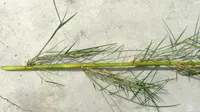
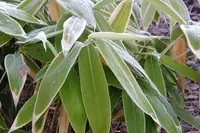
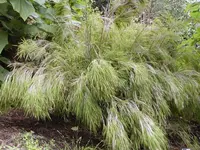
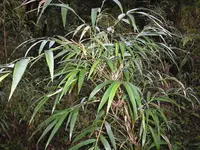
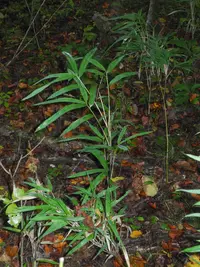
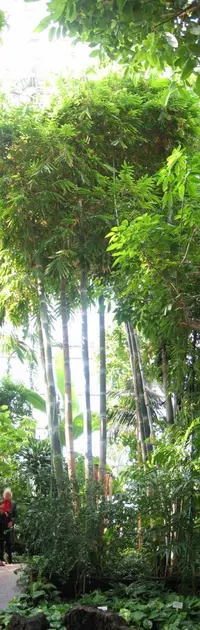
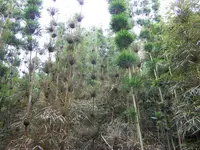
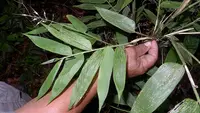
Puntingpole bamboo, Bambusa tuldoides, is a clumping bamboo grown for its upright, straight culms and fine-textured foliage. It forms dense thickets that create strong vertical structure and effective living screens.

This species is native to southern China and nearby regions, where it grows in warm, humid climates. In cultivation it is valued for fast growth, tolerance of pruning, and resilience once established, though it needs space and regular monitoring to prevent overcrowding.

It prefers bright light, evenly moist but well-drained soil, and protection from severe cold. Basic knowledge of how to care for puntingpole bamboo helps keep it healthy and contained in gardens or large containers.

Main Plant Requirements

Care Difficulty

Moderate Care

Light Preference

Full Sun

Water Requirements

Regular Water

Temperature Preference

Warm Climate

Hardiness Zone

8–11

Soil Texture

Loamy, Sandy, Organic-rich

Soil pH

Acidic (5.5–6.5), Slightly acidic (6.5–7.0)

Soil Drainage

Moist but well-drained

Fertilization

Light (every 4–6 weeks)

Get Personalized Care Plan

Scan your plant to receive care tips personalized for your specific plant

Available on iOS and Android

How to Care for the puntingpole bamboo

This clumping bamboo prefers bright, direct sun with some protection from harsh extremes.

  • Provide 4–6 hours of direct sun daily, ideally morning sun with light afternoon shade, especially in hotter regions above 90°F (32°C).
  • Plant puntingpole bamboo where it receives full sun to light partial shade; dense shade reduces vigor, stem thickness, and foliage density over time.
  • In summer, monitor for leaf scorch on west-facing sites; in winter, choose an exposure that still gets low-angle sun to maintain healthy, green culms.

This species prefers consistently moist but not waterlogged soil during active growth.

  • Irrigate when the top 3–5 cm of soil feels slightly dry, aiming for deep watering that wets the root zone rather than frequent light sprinkling.
  • During warm growing seasons, expect to water more often, then reduce frequency in cool months while never allowing the root area to become completely dry.
  • Watch for yellowing, limp leaves as a sign of overwatering and soggy soil, or rolled, curling leaves and brittle tips as indicators of underwatering; ensure free-draining, loamy soil.

This bamboo grows best in warm, mild climates with limited frost exposure.

  • Optimal growth occurs around 65–85°F (18–29°C), with strongest extension of new culms and leaves in late spring and summer within this range.
  • The plant tolerates brief drops to about 20–25°F (-6 to -4°C), but repeated hard freezes can damage foliage and young culms, especially in exposed sites.
  • In hot spells above 95°F (35°C), provide soil mulch and adequate moisture to protect roots; shelter from cold, drying winds in winter to reduce leaf burn.

This clumping bamboo prefers moderate humidity but adapts to many household conditions.

  • Aim for 40–60% humidity; it tolerates brief dips lower but growth may slow.
  • Dry indoor air can cause curled leaf tips, brown edges, and increased leaf drop on puntingpole bamboo.
  • Increase humidity by grouping plants, setting pots on pebble trays with water below the pot base, or lightly misting foliage in very dry rooms.

This bamboo performs best in deep, moist, well-aerated soil that does not stay waterlogged.

  • Use a loamy, organic-rich mix with noticeable structure, such as 50% composted bark or compost, 30% garden loam, and 20% coarse sand or perlite.
  • Ensure fast drainage so water moves through within seconds, yet the mix retains some moisture between waterings for Bambusa tuldoides.
  • Target a slightly acidic to neutral pH of 6.0–7.0 to support nutrient uptake and balanced growth.
  • Avoid heavy, compacted clay or mixes with large peat content that stay wet for long periods and limit root oxygen.

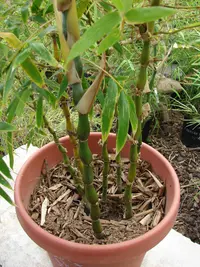
This species is suitable for container growing if the pot is large and stable enough for its vigorous root system.

  • Choose a wide, heavy container to counteract the leverage of tall canes and reduce tipping in strong wind.
  • Use a deep pot to allow rhizomes to spread downward, which helps control surface running and moderates drying at the top layer.
  • Elevate the container slightly on feet or bricks so drainage holes stay clear and excess water escapes quickly after heavy irrigation or rain.

Bambusa tuldoides responds well to moderate feeding that supports steady culm and leaf growth without forcing soft, weak tissue.

  • Use a balanced slow-release fertilizer (around 10-10-10) or well-aged compost in early spring as new shoots emerge.
  • Feed puntingpole bamboo every 6–8 weeks during the growing season, adjusting down on very fertile soils.
  • Apply fertilizers at half the label strength for container plants to limit salt buildup and root burn.
  • From late fall through winter, reduce or stop feeding, as growth slows and excess nutrients are not efficiently used.

Bambusa tuldoides benefits from light, structured pruning that maintains air flow and a clean clump form.

  • Carry out main pruning in late winter or early spring before strong new growth begins.
  • Remove dead, damaged, crossing, or very weak culms at ground level to reduce disease risk and shading.
  • Thin out the most crowded older culms to open the clump and encourage stronger new shoots.
  • Use sharp bypass pruners or a pruning saw, making clean cuts and avoiding partial cuts that crush fibers.

This bamboo is usually grown in-ground, but container plants and young clumps need periodic transplanting to avoid crowding and decline.

  • Check for roots circling the pot, water running straight through, or slowed growth as signs a container plant needs more space.
  • Plan transplanting or up-potting for late winter to early spring, just before vigorous new shoot growth starts.
  • For containers, move up 1–2 pot sizes every 2–3 years, using a free-draining, rich mix to support rapid root growth.
  • Reduce root stress by watering thoroughly before and after moving, keeping the root ball intact, and shading the plant for 3–7 days if conditions are hot or windy.

Bambusa tuldoides is most reliably propagated by division of established clumps rather than from seed.

  • Carry out division in late winter or early spring, when soil is workable and new shoots are just starting.
  • Select healthy culms with a solid section of rhizome and several nodes, then dig out a firm, cohesive piece of the clump.
  • Replant divisions promptly at the same depth in moist, well-drained soil, and water thoroughly to settle roots.
  • Maintain high, even moisture and partial shade for the first 2–4 weeks to support root establishment and reduce transplant shock.

This bamboo is moderately cold tolerant but benefits from simple winter care in colder regions to maintain culm health.

  • In climates near its hardiness limit, expect some leaf tip burn below about 20°F, especially in exposed sites.
  • Apply a 5–10 cm mulch layer over the root zone in late fall to buffer soil temperature and conserve moisture.
  • Tie or loosely bundle culms in very windy, cold locations to reduce breakage and desiccation.
  • Move container-grown plants into a sheltered, frost-free area such as an unheated garage or bright, cool porch where temperatures stay above freezing.

Care Tips

Control clump spread

Install a vertical root barrier 45–60 cm deep around the planting area to keep this clumping bamboo from slowly expanding into lawns, beds, or hardscape joints over the years.

Selective culm thinning

Every 1–2 years, remove the oldest, dullest culms at ground level during late winter to early spring to open the clump to light and air, which improves new shoot quality and reduces fungal issues.

Wind and snow support

In exposed sites, use discreet stakes and soft ties to brace young or very tall culms against strong wind or wet snow loads so they do not lean, crack, or uproot the clump.

Mulch for shoot protection

Maintain a 5–8 cm layer of organic mulch over the root zone to buffer soil temperature and moisture, which protects emerging shoots from drying out and from minor surface frost.

Segmented irrigation zones

If installing drip or soaker irrigation, place a dedicated loop around the clump rather than sharing a zone with shallow-rooted bedding plants so you can fine-tune watering specifically for growing puntingpole bamboo.

Common Pests and Diseases

Bamboo spider mites

This pest feeds on the undersides of leaves, causing fine yellow speckling that can progress to bronzing and premature leaf drop, especially in hot, dry conditions. Symptoms include fine webbing between leaf blades and along culm joints.

Solution

Rinse foliage thoroughly with a strong stream of water, focusing on leaf undersides, and increase humidity around the clump to slow mite reproduction. If needed, apply insecticidal soap or horticultural oil every 7–10 days, and thin crowded canes slightly to improve airflow without over-pruning.

Bamboo aphids

These insects cluster on young shoots and culm nodes, sucking sap and causing curling or distortion of new leaves, along with sticky honeydew deposits. Sooty mold fungi may grow on the honeydew, darkening leaves and reducing photosynthesis.

Solution

Spray colonies off with water and prune out heavily infested, tender shoots. For persistent infestations, use insecticidal soap or a light horticultural oil, making sure to coat stems and leaf bases, and reduce nitrogen-heavy fertilization that encourages very soft, aphid-prone growth.

Scale insects

These insects appear as small, fixed bumps on culms and leaf sheaths, weakening the plant by feeding on sap over time. Symptoms include yellowing leaves, slowed growth, and honeydew with possible sooty mold on stems and foliage.

Solution

Gently scrape or wipe visible scales from culms with a soft brush or cloth dipped in soapy water, then treat remaining insects with horticultural oil, ensuring thorough coverage of stems and leaf joints. Repeat treatments every 2–3 weeks until new growth appears clean, and avoid plant stress from drought to improve resistance.

Bamboo blight

This disease causes dark, elongated lesions on culms and leaf sheaths that can girdle stems and lead to dieback of entire canes. Symptoms include black streaks, sunken patches, and progressive yellowing and drying of affected culms and foliage.

Solution

Cut out and remove affected canes at ground level, disposing of all infected material away from the planting area to reduce spore spread. Improve spacing and air circulation around clumps, avoid overhead watering, and keep plants vigorous with proper watering and balanced fertilizer; in severe cases, a copper-based fungicide labeled for ornamental bamboos may be used preventively on new shoots.

Leaf spot

This disease produces small brown to dark purple spots on leaves that may enlarge and merge, causing irregular dead patches and early leaf drop, especially under warm, humid conditions or dense shade. Symptoms include thinning foliage and reduced vigor if many leaves are affected over several seasons.

Solution

Remove and discard heavily spotted leaves and any dense, shaded culms to reduce humidity in the canopy. Water at the base rather than overhead, and if conditions remain very humid, apply a labeled ornamental foliar fungicide at the first sign of new spots as part of broader Bambusa tuldoides plant care focused on airflow and sanitation.

Interesting Facts

Native riverbank specialist

This species is naturally found along rivers and lowland valleys in southern China, where its dense clumps help stabilize soil and tolerate periodic flooding.

Strong, straight culms

Its culms are notably straight, thick-walled, and relatively small-diameter, which makes the species a traditional choice in China for poles, scaffolding, and light construction.

Dense branching pattern

The plant produces many short side branches from each node, creating a particularly dense canopy that is effective as a living screen or windbreak in subtropical landscapes.

Botan icon

Did you know?

In parts of southern China, this bamboo has long been planted around villages and farmlands not only as a construction resource but also as a living barrier, because its tight clumps and dense culms form an effective physical fence against animals and trespassers.

FAQs about puntingpole bamboo

This species is considered fast-growing, often adding 60–120 cm of height per year in mild climates with consistent moisture and nutrition. Growth slows in poor soil, small containers, cold exposure, or when crowded by other plants.

Grow Healthy Plants with Botan Care

Keep your plants happy and healthy with plant identification, disease detection, and easy care guidance.

Botan plant care app — identify plants on mobile

Explore More Plants