Substrate layering
Create a thin, even layer of greater whipwort over clean, soaked sphagnum or fine bark, then lightly press it down so the creeping shoots maintain constant contact with the moist surface without being buried.

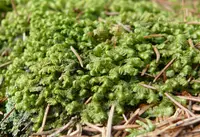
Greater whipwort, Bazzania trilobata, is a leafy liverwort, a simple non-vascular plant that spreads as a flat, branching mat. Its overlapping, three-lobed leaves create a textured, moss-like carpet on logs, rocks, and soil. In nature it is common in cool, humid forests of the Northern Hemisphere, especially in shaded, undisturbed woodlands with clean, moist air. It lacks true roots and depends heavily on constant surface moisture, which makes it sensitive to drying out. Because of this, how to care for greater whipwort focuses on stable humidity, gentle light, and avoiding disturbance to its delicate shoots.

Care Difficulty
Hard Care

Light Preference
Shade

Water Requirements
Keep Soil Moist

Temperature Preference
Cool Climate

Hardiness Zone
3–7

Soil Texture
Peaty, Organic-rich, Silty

Soil pH
Strongly acidic (4.5–5.5), Acidic (5.5–6.5)

Soil Drainage
Waterlogged tolerant

Fertilization
Minimal (feed rarely)
Scan your plant to receive care tips personalized for your specific plant
Available on iOS and Android
This moss-like liverwort prefers cool, low to medium light typical of shaded woodland floors.
This species needs consistently moist conditions and does not tolerate drying out.
This cool-loving liverwort thrives in mild, stable temperatures with high humidity.
This moss-like liverwort needs constant high humidity to stay healthy in cultivation.
This species grows best on consistently moist, soft, highly organic substrates rather than typical potting soil.
This liverwort can be grown in shallow containers, especially terrariums or trays, if moisture and stability are controlled carefully.
Bazzania trilobata is adapted to low-nutrient habitats and usually grows best with no added fertilizer.
Pruning Bazzania trilobata is minimal and mainly focuses on hygiene rather than shaping.
This liverwort is usually grown on rocks, bark, or soil surfaces and is moved only when necessary.
Bazzania trilobata is mainly propagated vegetatively rather than from spores in home culture.
Greater whipwort is generally cold hardy in its native range and needs little special winter care outdoors.

Plant Health Check
Not sure what's wrong with your plant? Check your plant's health inside the app.
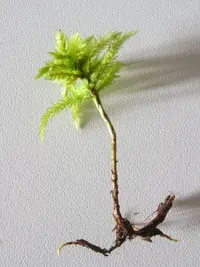
This species is a leafy liverwort with long, flattened shoots bearing three-lobed leaves in two main rows, plus smaller underleaves beneath the stem, giving it a distinctly braided look on rotting logs and peat.
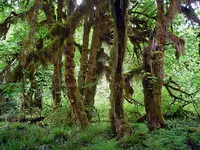
It typically grows in cool, humid coniferous and mixed forests on acidic substrates such as rotting wood, peaty soil, and boulders, and often forms pure carpets in undisturbed, shaded sites.
Its presence in dense, healthy patches is commonly associated with low air pollution and relatively stable, moist microclimates, so it can act as an indicator of intact, cool forest ecosystems.

Bazzania trilobata often reproduces vegetatively by fragmentation of its creeping shoots, so small broken pieces can establish new colonies and slowly spread across suitable logs, rocks, and peat surfaces without producing visible sexual structures.
This liverwort grows slowly, usually extending only a few millimeters per year. Growth is fastest in consistently cool, moist, shaded conditions with clean, slightly acidic substrates such as rotting wood, peaty soil, or rock crevices.
Keep your plants happy and healthy with plant identification, disease detection, and easy care guidance.