Blanket Leaf Care (Bedfordia arborescens)

Also known as: Blanket Bush, Flannel Leaf
Blanket Leaf

About Blanket Leaf

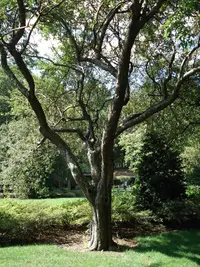
Blanket leaf, Bedfordia arborescens, is an evergreen shrub or small tree native to cool, moist forests of southeastern Australia. It is mainly found in coastal and montane rainforest margins and gullies.

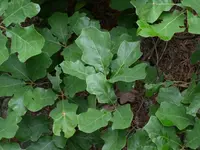
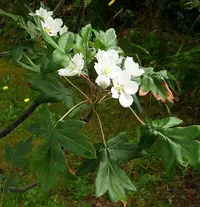
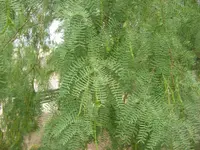
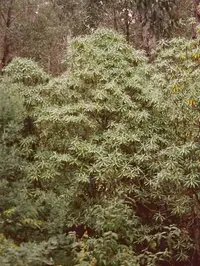
Plants form a rounded to upright habit with softly textured, felted leaves that are gray-green above and silvery beneath, creating a muted, woolly look. Small yellow flower clusters appear at branch tips and are followed by light seed heads.

This species is generally tough once established, coping with wind and cool conditions, which makes it suitable for low-maintenance landscapes in mild climates. It prefers sheltered sites with consistent moisture and well-drained soil, and these traits guide how to care for Blanket Leaf.

Main Plant Requirements

Care Difficulty

Moderate Care

Light Preference

Partial Shade

Water Requirements

Moderate Water

Temperature Preference

Warm Climate

Hardiness Zone

9–11

Soil Texture

Loamy, Sandy, Organic-rich

Soil pH

Acidic (5.5–6.5), Slightly acidic (6.5–7.0)

Soil Drainage

Well-drained

Fertilization

Minimal (feed rarely)

Get Personalized Care Plan

Scan your plant to receive care tips personalized for your specific plant

Available on iOS and Android

How to Care for the Blanket Leaf

This coastal shrub prefers bright, gentle light rather than harsh, exposed sun.

  • Provide 4–6 hours of sun daily, ideally morning sun with light afternoon shade, especially in hotter inland sites.
  • Tolerates partial shade, but dense shade reduces growth density and may cause leggy stems and sparse foliage on Blanket Leaf.
  • In summer, protect from intense mid-afternoon sun to prevent leaf scorch; in cooler months, slightly more direct light is beneficial for compact growth.

This species prefers steadily moist, well-drained soil rather than extremes of drought or saturation.

  • In the ground, water when the top 3–5 cm of soil feel dry, using deep soakings instead of frequent light splashes.
  • During hot, dry periods, increase watering frequency; in cool or rainy seasons, reduce to avoid constantly wet soil and root problems in Bedfordia arborescens.
  • Watch foliage for cues: wilting and dry, crisp leaf edges suggest underwatering, while yellowing leaves and soft stems indicate possible overwatering or poor drainage.

This shrub grows best in mild, frost-free climates typical of coastal or temperate regions.

  • Optimal growth occurs around 60–77°F (16–25°C), with steady conditions supporting dense foliage and healthy extension growth.
  • Tolerates brief dips to about 28–30°F (-2 to -1°C), but repeated or hard frosts damage young shoots and can cause dieback to older wood.
  • Copes with short heat waves up to 90–95°F (32–35°C) if soil moisture is maintained, but benefits from light shade and mulching during prolonged hot, dry spells.

This species handles a broad humidity range but benefits from slightly moist air in warm indoor settings.

  • Aim for 40–60% humidity to reduce leaf edge browning and tip scorch on Blanket Leaf.
  • In very dry heated rooms, monitor for curling or crispy leaf margins as signs of low-humidity stress.
  • Increase humidity with a nearby humidifier or grouped plants rather than misting, which adds little lasting moisture.

This shrub prefers loose, well-draining, moderately fertile soil that stays slightly moist but not waterlogged.

  • Use a loamy, slightly sandy structure with 30–40% compost for organic matter and 10–20% coarse sand or fine gravel for drainage.
  • Target a slightly acidic to neutral pH around 6.0–7.0 for Bedfordia arborescens, avoiding very alkaline mixes that can limit nutrient uptake.
  • In containers, combine standard potting mix with perlite or pumice to keep pores open and improve root aeration over time.
  • Avoid compacted clay, poorly drained positions, or sites that collect standing water, which increase risk of root rot and dieback.

This shrub can be grown in containers when given enough root space and careful moisture control.

  • Choose a deep, heavy pot to provide root depth and prevent wind from tipping over tall, bushy growth.
  • Select a container material such as glazed ceramic that slows moisture loss if the plant dries out quickly in full sun.
  • Raise the pot on feet or bricks so drainage holes remain clear and excess water exits quickly after rainfall or irrigation.

Bedfordia arborescens is a low-demand feeder that benefits from light nutrition in poor soils or containers.

  • Use a balanced slow-release fertilizer (around 10-10-10) or well-rotted compost at the start of spring growth.
  • Apply once at the beginning of the growing season; container-grown Blanket Leaf may need a second light dose in midsummer.
  • Reduce or stop feeding in fall and winter when growth slows.
  • Use fertilizers at half the label strength to limit salt buildup and root stress.

Pruning Bedfordia arborescens is mainly done to maintain structure and remove unhealthy growth.

  • Carry out structural pruning in late winter or early spring before vigorous new growth starts.
  • Remove dead, diseased, crossing, or storm-damaged branches to improve airflow and plant health.
  • Thin crowded interior shoots to maintain an open framework and balanced form.
  • Use sharp, clean bypass pruners or loppers, making smooth cuts just outside the branch collar.

This species is most often planted in the ground, with transplanting focused on young specimens.

  • Transplant in late winter to early spring when temperatures are mild and soil is workable.
  • Look for roots circling the pot, slowed growth, or plants drying out quickly as signs a container seedling needs a larger pot.
  • Move up only 1–2 pot sizes, gently loosening circling roots and keeping the root ball intact to limit shock.
  • Water thoroughly after planting, maintain even moisture, and use light shade for 1–2 weeks to reduce transplant stress.

Bedfordia arborescens is typically propagated from seed for restoration or landscape use.

  • Collect ripe seeds at the end of the growing season and sow in late winter to early spring.
  • Use a free-draining seed mix, keep it just moist, and provide bright, indirect light for germination.
  • Lightly cover seeds, as many native species germinate better when not deeply buried.
  • Grow seedlings on in small pots until roots fill the container, then harden off before outdoor planting.

In mild coastal or frost-free climates, Bedfordia arborescens usually needs minimal winter care.

  • In regions with light frost, apply a 5–8 cm mulch layer around the root zone, keeping it slightly away from the trunk.
  • Shelter young plants from cold, drying winds using windbreak cloth or positioning near a wall.
  • If grown in containers in cooler zones, move pots to a bright, frost-free spot for the coldest months.

Care Tips

Wind-hardening young plants

In coastal or exposed sites, gradually acclimate young plants to wind by first sheltering them with windbreak cloth or taller shrubs, then reducing protection over 4–6 weeks so stems thicken and are less likely to snap.

Mulch for root coolness

Apply a 5–8 cm layer of coarse organic mulch around, but not touching, the trunk to keep roots cooler, suppress weeds that compete for moisture, and stabilize soil structure on sloping sites.

Canopy shaping for screening

When the plant is still small, tip-prune leading shoots lightly and select 3–5 strong framework branches to create a dense, low canopy that forms an effective windbreak or privacy screen as it matures.

Salt-spray management

In very exposed coastal gardens, hose foliage with fresh water after strong onshore winds to dilute salt deposits on leaves and reduce long-term leaf burn and marginal necrosis.

Understory planting strategy

Use shade-tolerant native groundcovers beneath established plants to protect the shallow feeder roots, reduce soil temperature fluctuations, and create a more stable microclimate for growing Blanket Leaf.

Common Pests and Diseases

Myrtle rust

This disease causes bright yellow to orange powdery pustules on young leaves, shoots, and sometimes stems, often leading to leaf distortion and premature drop. Symptoms include reduced vigor in new growth and patchy thinning of the canopy.

Solution

Remove and bag heavily infected shoots and fallen leaves, then dispose of them in household waste rather than compost. Avoid overhead watering, improve airflow around plants, and in regions where myrtle rust is established follow local biosecurity guidance on fungicide options and movement of plant material as part of Bedfordia arborescens care.

Leaf spot

This disease produces small dark brown to black spots on foliage that may coalesce into larger blotches, sometimes with a yellow halo. Symptoms include gradual thinning of the canopy if infection is heavy and sustained.

Solution

Prune out and dispose of badly affected leaves and twigs, and keep the area under the plant free of fallen foliage. Improve air circulation, avoid prolonged leaf wetness, and if the plant is repeatedly affected consider an appropriate protective fungicide labelled for ornamental natives, following label directions carefully.

Scale insects

These insects appear as small, immobile bumps along stems and leaf midribs, often accompanied by sticky honeydew. This pest can cause leaf yellowing, reduced vigor, and sooty mold growth on the honeydew.

Solution

Wipe or gently scrub accessible stems and leaves with a soft cloth or brush dipped in lukewarm soapy water, then rinse with clean water. For persistent infestations, apply a horticultural oil or insecticidal soap thoroughly to stems and leaf undersides, repeating as directed to target newly hatched crawlers.

Psyllids

These insects feed on young foliage, causing cupped, distorted, or thickened leaves and sometimes visible tiny bumps or pits where they have fed. This pest can reduce new growth quality and overall plant appearance.

Solution

Prune and discard heavily distorted shoot tips to remove many insects and eggs, then encourage strong new growth with proper watering and light. For higher populations, treat new flushes of growth with insecticidal soap or horticultural oil, ensuring good coverage of leaf undersides where nymphs typically shelter.

Interesting Facts

Tasmanian cloud-forest tree

This species is naturally restricted to cool, moist mountain forests of Tasmania and a few coastal areas of southeastern Australia, where it often forms part of cloudy, high-rainfall ecosystems. Its pale, felted leaves help it tolerate frequent mist, wind, and low light levels common in these habitats.

Distinctive felted foliage

The leaves are covered on the underside with a dense, felt-like layer of pale hairs, giving them a silvery or buff appearance and a soft texture. This indumentum reduces water loss, reflects excess light, and may deter some herbivores.

Daisy family tree

Although it grows as a small tree up to several meters tall, it belongs to the Asteraceae, the same family as daisies and sunflowers. Its small yellow flower heads are composite inflorescences, each made of many tiny florets rather than a single large flower.

FAQs about Blanket Leaf

This species is moderately fast-growing in mild, moist climates, often adding 30–60 cm of height per year once established. Growth slows in poor soil, exposed coastal sites, or if roots dry out repeatedly.

Grow Healthy Plants with Botan Care

Keep your plants happy and healthy with plant identification, disease detection, and easy care guidance.

Botan plant care app — identify plants on mobile

Explore More Plants