Early structural staking
Install sturdy stakes or a simple framework when plants are 30–60 cm tall so the fast-growing, brittle stems develop upright and resist wind or heavy fruit load without snapping.

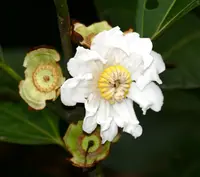
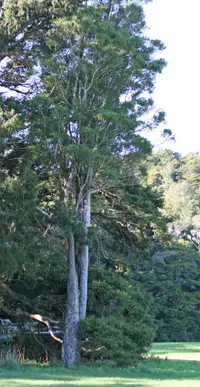
Bellucia grossularioides is a fast-growing tropical tree from the Melastomataceae family, native to lowland rainforests of northern South America and parts of Central America. It is often found along riverbanks and disturbed forest edges, where it can form dense thickets.
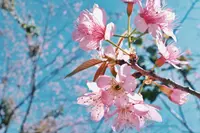
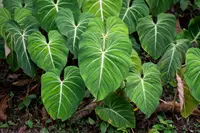
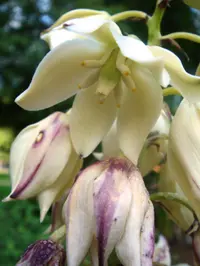
The plant typically has a slender trunk, large textured leaves, and showy white to pinkish flowers followed by small, berry-like fruits. In suitable warm climates it can grow quickly and spread readily, which can make management challenging.
For those who want to care for Bellucia grossularioides, it generally prefers consistently warm temperatures, high humidity, good light, and moist but well-drained soil, conditions that can be difficult to provide outside the tropics.

Care Difficulty
Moderate Care

Light Preference
Partial Sun

Water Requirements
Keep Soil Moist

Temperature Preference
Tropical / Frost Sensitive

Hardiness Zone
11–12

Soil Texture
Loamy, Silty, Organic-rich

Soil pH
Strongly acidic (4.5–5.5), Acidic (5.5–6.5)

Soil Drainage
Moist but well-drained

Fertilization
Minimal (feed rarely)
Scan your plant to receive care tips personalized for your specific plant
Available on iOS and Android
This tropical shrub prefers bright, soft light that mimics a lightly shaded forest edge.
This species needs consistently moist, but not stagnant, soil to grow well.
This plant thrives in warm, stable conditions typical of lowland tropics.
This species prefers high, consistently moist air and reacts poorly to very dry conditions.
This species performs best in deep, moist, well-aerated, organic-rich soil that does not stay waterlogged.
This species can be grown in large containers for a time, but long-term growth is easier in open ground.
This species benefits from light, steady nutrition rather than heavy feeding.
Pruning is mainly needed to maintain structure and remove problem wood on Bellucia grossularioides.
This tree is usually grown in the ground, so transplanting young plants correctly is more important than frequent repotting.
Propagation is usually done from seed, as vegetative methods are less reliable for this species.
This tropical species is frost sensitive and needs protection in climates with cool winters.

Plant Health Check
Not sure what's wrong with your plant? Check your plant's health inside the app.
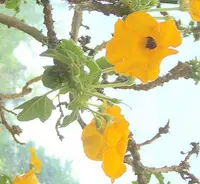
This species produces small, yellow to orange berries with a guava-like aroma and flavor that are eaten locally in parts of northern South America, especially in Amazonian regions.
Its white, brush-like flowers are rich in pollen and are mainly visited and pollinated by bees, including stingless bees that are common in lowland tropical forests.
In its native Amazonian range, this tree often colonizes forest edges, riverbanks, and disturbed areas, helping to quickly re-vegetate open ground with its fast growth and dense canopy.

Bellucia grossularioides has been documented as a host plant for the larvae of certain metalmark butterflies (Riodinidae) in Amazonian forests, forming a specific herbivore–host relationship that ties its life cycle to local insect diversity.
This species is a relatively fast-growing small tree in warm, humid climates. Young plants can add 30–100 cm per year outdoors, slowing as they mature. Growth rate drops sharply in cool, dry, or nutrient-poor conditions.
Keep your plants happy and healthy with plant identification, disease detection, and easy care guidance.