Phool Dei Festival Care (Bergenia ciliata)

Phool Dei Festival

About Phool Dei Festival

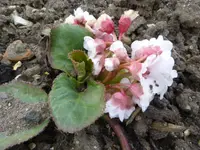
Phool Dei Festival, commonly known as Bergenia ciliata, is a hardy perennial grown mainly for its large, leathery leaves and early spring flowers. It forms low clumps that slowly spread, creating a neat groundcover. Flowers are usually pink to white and rise on short stalks above the foliage.

This species occurs naturally in the Himalayan region, where it grows in rocky, partly shaded habitats with cool, moist conditions. Its toughness, tolerance of cold, and modest light needs make it relatively easy to manage in temperate gardens.

Those learning how to care for Phool Dei Festival should know it prefers humus-rich, well-drained soil with steady moisture and some protection from intense afternoon sun.

Main Plant Requirements

Care Difficulty

Easy Care

Light Preference

Partial Shade

Water Requirements

Moderate Water

Temperature Preference

Cold Hardy

Hardiness Zone

4–8

Soil Texture

Loamy, Silty, Organic-rich

Soil pH

Acidic (5.5–6.5), Slightly acidic (6.5–7.0)

Soil Drainage

Moist but well-drained

Fertilization

Minimal (feed rarely)

Get Personalized Care Plan

Scan your plant to receive care tips personalized for your specific plant

Available on iOS and Android

How to Care for the Phool Dei Festival

Bergenia ciliata prefers cool, bright sites with soft light rather than intense, direct exposure.

  • Provide 3–5 hours of morning sun with afternoon shade; east or northeast-facing borders are ideal, especially in regions that celebrate Phool Dei Festival outdoors.
  • Tolerates light to medium shade under open shrubs or trees; in deep shade, leaves stretch, flowering drops, and clumps thin out over time.
  • In hot summers, shield from strong midday and afternoon sun to prevent leaf scorch; use dappled or filtered light and add mulch to reduce heat stress.

This species prefers consistently moist but not waterlogged soil, especially during active growth and flowering.

  • Water when the top 3–5 cm of soil feels dry, aiming for steady moisture in spring and early summer while new leaves and flower stalks develop.
  • Ensure soil drains freely; in heavy clay, add compost or grit to reduce standing water, which can cause root rot, yellowing leaves, and a sour soil smell.
  • In cool autumn and winter, reduce watering once rain increases; dull, limp foliage usually signals dryness, while blackened, mushy crowns indicate overwatering.

This hardy perennial tolerates cool climates but grows best in moderate temperatures without extreme heat.

  • Optimal growth occurs around 50–70°F (10–21°C); foliage stays thicker and flowers last longer in these cooler conditions.
  • Mature plants usually withstand down to about 0°F (−18°C) with mulch; brief dips slightly lower are possible, but repeated freeze–thaw can damage crowns.
  • In hotter areas, anything above 85°F (29°C) benefits from afternoon shade and extra mulch; prolonged heat can scorch leaves and reduce flowering the following season.

This species handles a broad humidity range and usually does not need special adjustment in homes or gardens.

  • Prefers 40–60% relative humidity but tolerates drier air if soil moisture is consistent.
  • Low humidity stress shows as browning leaf edges and crisp tips while the soil is still moist.
  • In very dry indoor air, group pots on a pebble tray with water below the base, useful when caring for Phool Dei Festival plant displays.

Bergenia ciliata grows best in loose, moist but well-drained soil rich in organic matter.

  • Use a loamy mix with 40–60% garden soil, 30–40% compost, and 10–20% coarse sand or fine grit for structure.
  • Aim for slightly acidic to neutral pH, around 6.0–7.0, which supports nutrient uptake and healthy root growth.
  • Improve drainage and aeration by mixing in coarse sand, fine gravel, or perlite, especially in heavier clay-based soils.
  • Avoid compacted, waterlogged, or very sandy soils that either suffocate roots or dry out too quickly between waterings.

This species is suitable for container growing outdoors on patios, balconies, or shaded doorsteps.

  • Choose a wide, shallow container to match its spreading root system and keep the plant stable as clumps expand.
  • Use a heavier clay or ceramic pot if exposed to wind, as the evergreen foliage can catch gusts and tip lighter pots.
  • Elevate the pot slightly on feet or bricks so drainage holes stay clear and excess water escapes freely after rain or watering.

Bergenia ciliata is modest in its nutrient needs but responds well to light feeding in poor or thin soils, especially where caring for Phool Dei Festival landscapes involves rocky slopes.

  • Apply a balanced, slow-release granular fertilizer (around 10-10-10) once in early spring as new growth starts.
  • Use a thin layer of compost around the root zone to improve soil structure and provide gentle, long-lasting nutrition.
  • Dilute liquid fertilizer to 1/2 strength if used, and apply no more than every 4–6 weeks in the active growing season.
  • Stop feeding in late summer to fall so plants can harden off before winter and rest during dormancy.

Pruning Bergenia ciliata is light and mainly hygienic, focused on removing old foliage and spent flower stems.

  • Best time is late winter to early spring, before or just as new growth emerges.
  • Cut off dead, yellowed, or damaged leaves at the base using clean, sharp hand pruners or scissors.
  • Remove spent flower stalks after blooming to keep clumps tidy and direct energy to roots and foliage.
  • Thin crowded rosettes occasionally to improve air flow and reduce the risk of fungal issues.

This plant is usually grown in the ground, so transplanting clumps is more common than repotting container specimens.

  • Look for signs such as congested clumps, bare centers, or slow growth that indicate a need for lifting and dividing.
  • Plan transplanting for early spring or early fall when temperatures are mild and soil remains evenly moist.
  • Divide large clumps every 3–5 years, replanting healthy sections with firm roots at the same soil depth.
  • Water thoroughly after transplanting, shade lightly for 3–5 days, and keep soil slightly moist to reduce root stress.

Bergenia ciliata is most often propagated by division, with seed or leaf cuttings used mainly by more experienced growers.

  • Divide established clumps in early spring or early fall, selecting sections with several healthy leaves and roots.
  • Replant divisions into moist, well-drained soil, firming gently and watering to settle air pockets.
  • For seed, sow fresh seed on the surface of a gritty seed mix, keep at 60–68°F, and maintain light moisture.
  • Leaf cuttings can be rooted in a humid, bright but indirect light environment using a sterile, well-draining medium.

This species is fairly cold hardy in many temperate regions and often needs only minimal winter care in the ground.

  • Tolerates light to moderate frost once established, especially in well-drained soil.
  • Apply a 5–8 cm mulch of leaf mold or compost around the crown in late fall to buffer freeze–thaw cycles.
  • In very cold or exposed sites, use evergreen boughs or horticultural fleece to shield winter foliage from drying winds.
  • Move container-grown plants into a sheltered, unheated area where temperatures stay above about 25°F.

Care Tips

Spring foliage cleanup

In late winter or very early spring, cut away tattered or diseased old leaves at the base so new foliage and flowers emerge cleanly and air can move through the clump.

Crown protection mulching

Apply a thin, open-textured mulch such as shredded bark or leaf mold around but not over the crown to keep roots cool, reduce weed competition, and prevent crown rot in wet periods.

Divide aging clumps

Every 4–6 years, lift and divide congested plants in early spring, replanting only firm, healthy crowns at the same depth to maintain strong flowering and prevent centers from dying out.

Rock-edge siting

Plant close to rocks, pavers, or low walls that provide slight thermal mass and winter protection, but leave at least 5–8 cm of open soil so the crown does not stay waterlogged against hard surfaces.

Sluggish drainage fix

If soil drains slowly, plant on a slight mound or low berm and incorporate coarse grit or small stone around but not directly on top of the crown to keep the root zone moist yet aerated when you grow Bergenia ciliata.

Common Pests and Diseases

Vine weevils

This pest chews semicircular notches in the leaf edges, while the larvae feed on roots and crowns, causing wilting and collapse in severe cases.

Solution

Inspect foliage at night and hand-pick adults, then target larvae by drenching the soil with a biological control containing entomopathogenic nematodes; in containers, repot with fresh mix and discard heavily infested root systems.

Leatherjackets

These insects are crane fly larvae that feed on roots and crowns, leading to sudden yellowing, poor growth, and plant loss in heavy infestations.

Solution

Lift and inspect declining clumps, remove larvae by hand, encourage predators such as birds, and if damage is recurring on lawns or beds around the plants, use nematode-based biological controls labeled for leatherjackets in late summer to early autumn.

Slugs and snails

This pest group grazes on fleshy leaves, leaving irregular holes, shredded margins, and slime trails, especially on young or shaded plants.

Solution

Use iron phosphate pellets, beer traps, and hand-picking at dusk, and reduce hiding places by clearing debris and dense groundcover close to crowns; copper barriers can help protect prized clumps in small plantings.

Leaf spot

This disease causes brown, purple, or black spots on leaves that may merge into larger patches, leading to premature yellowing and dieback of foliage.

Solution

Remove and dispose of affected leaves, improve spacing and airflow, avoid overhead watering, and apply a suitable fungicide if new spots continue to appear during warm, wet periods.

Crown rot

This disease starts with water-soaked, brown tissue at the crown, often accompanied by foul odor and rapid collapse of leaves, especially in waterlogged or heavy soils.

Solution

Improve drainage with raised beds or amended soil, avoid burying the crown, remove and discard badly affected plants, and replant only in well-drained sites that are not prone to standing water, which is key for Bergenia ciliata care.

Interesting Facts

Evergreen in harsh climates

This species keeps its thick, leathery leaves through cold Himalayan winters, using them as storage organs and photosynthesizing whenever temperatures briefly rise above freezing.

Natural rock crevice specialist

In the wild, it often grows anchored in shallow soil pockets on rocky slopes and cliffs, where its fibrous roots exploit tiny cracks and fissures for moisture and nutrients.

Spring leaf color change

Its overwintered leaves frequently turn reddish or bronze under cold or high-light conditions, then gradually green up again as temperatures rise and light intensity becomes less stressful.

Botan icon

Did you know?

In parts of the western Himalaya, flowering rosettes of this plant are traditionally gathered and used decoratively during the spring Phool Dei festival, which has helped maintain local recognition and informal conservation of the species around mountain villages.

FAQs about Phool Dei Festival

Lack of flowers usually comes from too much shade, heavy or dry soil, or nutrient imbalance. Ensure a cool winter, moderate light, and avoid high-nitrogen fertilizer. Removing old flower stalks and dividing crowded clumps also improves flowering.

Grow Healthy Plants with Botan Care

Keep your plants happy and healthy with plant identification, disease detection, and easy care guidance.

Botan plant care app — identify plants on mobile

Explore More Plants