Netleaf hackberry Care (Celtis reticulata)

Also known as: Western hackberry, Douglas hackberry, Netleaf sugar hackberry
Netleaf hackberry

About Netleaf hackberry

Netleaf hackberry, Celtis reticulata, is a hardy deciduous tree native to dry regions of the western and southwestern United States and northern Mexico. It is often found along rocky slopes, canyons, and stream banks.

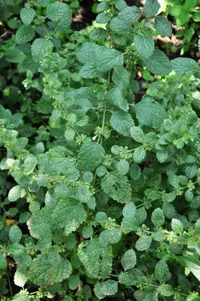
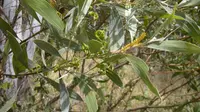
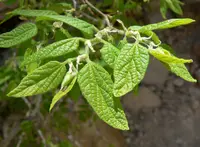
This species typically forms a small to medium tree with a rounded crown, rough gray bark, and thick, leathery leaves with a netted vein pattern. Its deep root system and high drought tolerance make it suitable for low-water landscapes.

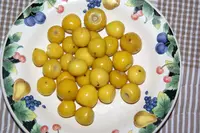
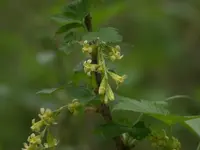
The tree produces small flowers followed by berry-like fruits that feed birds and wildlife. It adapts to poor, alkaline soils and urban conditions, which simplifies how to care for Netleaf hackberry. It generally prefers full sun and well-drained soil with only occasional supplemental water once established.

Main Plant Requirements

Care Difficulty

Easy Care

Light Preference

Full Sun

Water Requirements

Low Water

Temperature Preference

Cold Hardy

Hardiness Zone

4–9

Soil Texture

Sandy, Loamy, Rocky

Soil pH

Slightly acidic (6.5–7.0), Slightly alkaline (7.0–7.5)

Soil Drainage

Well-drained

Fertilization

Minimal (feed rarely)

Get Personalized Care Plan

Scan your plant to receive care tips personalized for your specific plant

Available on iOS and Android

How to Care for the Netleaf hackberry

Celtis reticulata prefers strong natural light typical of open, dry sites in its native range.

  • Provide full sun for 6–10 hours daily; the tree performs best with unshaded exposure, including hot afternoon sun once established.
  • Young Netleaf hackberry trees tolerate light partial shade but may grow more slowly and develop a looser canopy in less than 6 hours of direct sun.
  • In dense plantings or urban sites, monitor for sparse branching, long weak shoots, and limited fruit set as signs of insufficient light, especially after leaf-out in spring.

Celtis reticulata is drought-tolerant once established and prefers deep, infrequent watering in well-drained soil.

  • During the first 2–3 growing seasons, water when the top 5–8 cm of soil in the root zone is dry, applying a slow soak that moistens 20–30 cm deep.
  • In summer heat, watch for dull, folding, or marginally crispy leaves as signs of water stress; respond with a thorough soak rather than frequent light sprinkling.
  • Avoid soggy conditions; soil that stays wet for more than 24 hours, yellowing leaves, or dieback of fine twigs indicate overwatering or poor drainage that should be corrected.

This species suits regions with hot summers and cold winters, showing strong tolerance to temperature extremes once established.

  • Active growth is best around 65–90°F (18–32°C); shoot extension and leaf development slow noticeably below 55°F (13°C).
  • Mature trees tolerate winter lows near -20°F (-29°C), but newly planted stock benefits from protection from drying winter winds and sudden cold snaps.
  • In summer, the tree handles 100–110°F (38–43°C) if soil is not extremely dry; heat scorch appears as browned leaf edges and can be reduced with deep, occasional watering.

This species tolerates a wide humidity range and usually needs no special humidity management.

  • Celtis reticulata grows well at 20–60% humidity, similar to typical outdoor and indoor air in arid regions.
  • Leaves generally handle dry air, but prolonged hot, dry winds may cause marginal browning and early leaf drop.
  • In very dry urban courtyards, limited overhead irrigation or nearby vegetation can slightly raise local humidity and reduce leaf stress.

This drought-adapted tree accepts varied soils but performs best in well-drained, slightly dry-leaning ground.

  • Use a sandy or loamy mineral soil with modest organic matter; Celtis reticulata naturally inhabits rocky, gravelly sites.
  • Ensure rapid drainage so water does not stand around roots; incorporate coarse sand or fine gravel if soil is heavy.
  • Aim for a pH around 6.5–8.0, as the species is tolerant of mildly acidic to clearly alkaline conditions.
  • Avoid compacted, poorly aerated clay; add coarse compost and mineral grit to improve pore space and root oxygen access.

This species can be grown in containers only for the short to medium term, as it develops a large root system and canopy.

  • Choose a deep, heavy container that resists tipping, since the crown becomes broad and wind-exposed.
  • Use a fast-draining, gritty mix so the root zone dries between waterings and mimics its naturally dry habitats.
  • Position the pot where heat buildup does not overbake the root zone, such as avoiding dark containers on bare concrete.

This drought-adapted tree needs minimal feeding, but light fertilization can support establishment and growth in poor soils when caring for Netleaf hackberry.

  • Use a balanced slow-release fertilizer (for example 8-8-8 or 10-10-10) or a thin layer of well-rotted compost in early spring.
  • Apply once per year during the growing season for young or nutrient-deficient trees; mature trees in decent soil often need none.
  • Reduce or stop feeding in fall and winter, when growth slows or stops.
  • Use fertilizer at half the label rate, kept off the trunk, and water in well to prevent root burn.

Pruning Celtis reticulata is mainly structural and corrective, focusing on safety, clearance, and long-term form.

  • Schedule main pruning during late winter to very early spring, before bud break, to limit sap loss and stress.
  • Remove dead, diseased, crossing, or storm-damaged branches using clean, sharp bypass pruners or a pruning saw.
  • Thin congested interior shoots selectively to maintain a single strong leader and well-spaced scaffold branches.
  • Avoid heavy topping; instead, shorten or redirect branches to lateral shoots to keep a natural, balanced crown.

This species is usually field-grown, so guidance focuses on transplanting young Celtis reticulata from containers or nursery beds.

  • Transplant during late fall or very early spring, when the tree is dormant and soil is workable but not waterlogged.
  • Look for roots circling the container, slow growth, or the plant tipping easily as signs it has outgrown its pot.
  • Move up only 1–2 pot sizes or into a prepared ground site with loosened soil and similar planting depth to the nursery level.
  • Reduce root stress by teasing out circling roots, watering deeply after planting, and maintaining consistent moisture until re-established.

Propagation of Celtis reticulata is usually done by seed rather than vegetative methods in home settings.

  • Collect ripe drupes in late summer to fall, remove the pulp, and clean the seeds thoroughly.
  • Provide cold stratification at about 34–41°F for 60–90 days to break seed dormancy and improve germination.
  • Sow stratified seeds in a well-drained sandy mix, just below the surface, and keep evenly moist in bright, indirect light.
  • Grow seedlings in containers for 1–2 years to develop strong root systems before planting out.

Celtis reticulata is cold hardy across much of its native range and usually needs little dedicated winter care once established.

  • Young or newly planted trees benefit from 5–8 cm of mulch over the root zone, kept a few cm away from the trunk.
  • In very cold or exposed sites, use a breathable trunk wrap to limit sunscald and freeze–thaw cracking on young bark.
  • Container-grown specimens in cold regions should be moved into an unheated but frost-sheltered space or heavily insulated.

Care Tips

Deep root training

During the first 2–3 years, apply water less often but in long, slow sessions so moisture penetrates 30–45 cm deep, which encourages a drought-resilient root system instead of shallow, surface roots.

Wind-firm structure

In windy sites, avoid staking tightly; instead, use low, flexible staking for only the first season so the trunk can sway slightly and develop strong taper and stable anchorage.

Trunk and bark protection

On young trees in full sun, wrap the southwest side of the trunk with a breathable tree wrap or use a white tree guard from late fall to early spring to reduce sunscald and freeze–thaw bark damage.

Root zone mulching

Maintain a 5–8 cm layer of coarse organic mulch out to at least the drip line, but keep it 8–10 cm away from the trunk to protect surface roots, moderate soil temperature, and limit mechanical damage from mowers and string trimmers.

Wildlife and site management

Install a sturdy trunk guard where rabbits, deer, or livestock are present, and avoid planting directly under overhead wires or near foundations, since growing Netleaf hackberry develops a broad crown and strong root system over time.

Common Pests and Diseases

Hackberry psyllids

These insects cause small, hard, nipple-like galls on leaves and can become a nuisance when adults emerge and gather around buildings in late summer and fall. This pest rarely threatens tree survival but can distort foliage and reduce visual quality.

Solution

Rake and dispose of fallen leaves to reduce overwintering populations and avoid planting highly susceptible trees near doors or windows. For established trees, chemical control is rarely necessary; if treatment is desired, use a horticultural oil or labeled systemic insecticide applied by a professional before leaf expansion to target nymphs inside developing galls.

Hackberry nipplegall maker

This pest creates round, raised galls on the underside of hackberry leaves that resemble small beads, often covering much of the leaf surface. This pest mainly affects appearance, though heavy infestations can cause some premature leaf drop.

Solution

Prune and destroy heavily infested twigs and collect and dispose of leaf litter in fall to disrupt the life cycle. For large landscape trees, management usually focuses on tolerance; in high-value settings, consult an arborist about well-timed systemic treatments before galls form, as once galls appear they cannot be removed from that season’s leaves.

Witches’ broom

This disease causes dense clusters of small, twiggy shoots that look like brooms along branches and canopies, often caused by a combination of a powdery mildew fungus and a mite. Symptoms include compact, bushy growths and sometimes reduced vigor on affected branches over time.

Solution

Prune out and destroy witches’ brooms during dry weather, cutting several inches below visible distortion, and sterilize pruning tools between cuts. Keep the tree healthy with proper watering during establishment and avoid unnecessary nitrogen fertilization, which can stimulate susceptible new growth; in most landscapes, fungicides are not needed for Celtis reticulata care.

Powdery mildew

This disease produces a white to gray, powdery film on leaves and young shoots, sometimes associated with the formation of witches’ brooms on hackberry species. Symptoms include distorted young leaves and reduced aesthetic quality, though established trees usually tolerate the infection.

Solution

Increase air circulation around the tree by maintaining proper spacing and selectively thinning crowded interior branches, and avoid overhead irrigation that keeps foliage damp at night. If repeated severe infections occur on young or stressed trees, a labeled fungicide can be applied early in the season when new leaves emerge, following local extension guidance and product directions.

Leaf spots

Symptoms include small brown, tan, or black lesions on leaves that may coalesce, causing partial blighting and some early leaf drop, especially in humid or rainy conditions. These diseases are usually caused by several fungi that specialize on hackberry foliage.

Solution

Remove and dispose of infected fallen leaves to reduce spore levels, and water at the soil line rather than on foliage to keep leaves dry. For young or recently transplanted trees experiencing repeated heavy defoliation, consider a preventative fungicide at bud break and again as directed, combined with good cultural practices such as mulching and avoiding drought stress while growing Netleaf hackberry.

Interesting Facts

Netlike leaf pattern

The common name netleaf hackberry refers to the strongly reticulated, or net-like, pattern of veins on its leaves, which remain visible from both upper and lower surfaces even when leaves are small and somewhat thickened by drought.

Drought-adapted tree

Celtis reticulata is native to arid and semi-arid regions of western North America and tolerates hot, dry conditions and rocky soils, using a deep root system and small, thick leaves to limit water loss.

Wildlife food source

Its small, sweetish drupes are eaten by many bird species and mammals, and the tree serves as a host plant for several butterfly and moth larvae, including certain hackberry butterflies in its native range.

Botan icon

Did you know?

In parts of the southwestern United States, archaeobotanical evidence shows that Indigenous peoples used the nutritious fruits and seeds of Celtis reticulata as a minor food resource, with preserved seeds and fruit fragments recovered from ancient habitation sites and rock shelters.

FAQs about Netleaf hackberry

Growth is moderate. Young trees usually add about 30–60 cm in height per year under good conditions, slowing as they mature. Poor soil, drought during establishment, and root restriction can all reduce annual growth increments.

Grow Healthy Plants with Botan Care

Keep your plants happy and healthy with plant identification, disease detection, and easy care guidance.

Botan plant care app — identify plants on mobile

Explore More Plants