Root flare protection
Keep the root flare visible and slightly raised above surrounding soil or mulch, since burying it encourages rot and weak anchorage over time.

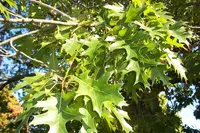
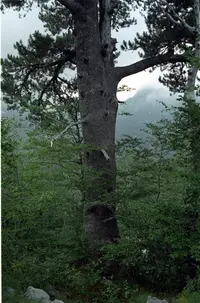
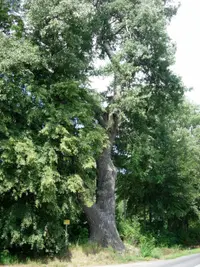
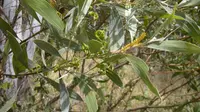
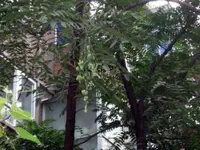
Northern pin oak, Quercus ellipsoidalis, is a medium-sized deciduous tree in the beech family, valued for its strong form and vivid fall color. It typically develops a straight trunk with a narrow, upright to oval crown and deeply lobed, bristled leaves that turn bright red in autumn.
This species occurs naturally in the upper Midwest of the United States, often on dry, sandy, or gravelly soils. It tolerates poor, acidic substrates and summer drought, but young trees benefit from consistent moisture and full sun.
These traits make it relatively resilient once established, but slow to adapt if site conditions are too wet or compacted. Understanding site and soil needs is the key to how to care for northern pin oak in managed landscapes.

Care Difficulty
Moderate Care

Light Preference
Full Sun

Water Requirements
Moderate Water

Temperature Preference
Cold Hardy

Hardiness Zone
4–7

Soil Texture
Sandy, Loamy, Clay

Soil pH
Acidic (5.5–6.5), Slightly acidic (6.5–7.0)

Soil Drainage
Well-drained

Fertilization
Minimal (feed rarely)
Scan your plant to receive care tips personalized for your specific plant
Available on iOS and Android
Quercus ellipsoidalis performs best in open, sunny sites with strong light exposure.
Quercus ellipsoidalis prefers consistently moist, well-drained soil once established in the landscape.
This species is a cold-hardy oak adapted to continental climates with distinct seasons.
Quercus ellipsoidalis tolerates a wide humidity range and usually does not need special humidity control outdoors.
This species prefers well-structured, moderately dry soils that are sandy to loamy with reliable drainage.
This oak can be grown in containers only for temporary use or as a young specimen, not as a long-term potted tree.
This native oak usually thrives in average soil and needs only light, targeted feeding in managed landscapes.
Pruning Quercus ellipsoidalis focuses on safety, structure, and removal of problem wood rather than cosmetic shaping.
Northern pin oak is usually grown in the ground, so guidance centers on transplanting field or container-grown young trees.
Propagation of Quercus ellipsoidalis is done mainly from seed and is moderately slow but straightforward with the right conditions.
This cold-hardy oak tolerates typical northern winters well and usually needs only minimal winter care once established.

Plant Health Check
Not sure what's wrong with your plant? Check your plant's health inside the app.
Northern pin oak often grows in dry, sandy, fire-prone habitats, and its thick bark and ability to resprout from the base help stands recover after low to moderate intensity fires.
This species is strongly associated with acidic, nutrient-poor, often sandy or gravelly soils in the upper Midwest, where it can outcompete less stress-tolerant tree species.
Northern pin oak can hybridize with closely related red oaks such as Quercus rubra, which sometimes makes field identification challenging and creates intermediate forms in areas where their ranges overlap.

Northern pin oak plays a key role in supporting wildlife in the Great Lakes region, producing acorns that are an important seasonal food source for wild turkeys, blue jays, white-tailed deer, and numerous small mammals and birds that depend on mast crops in autumn.
Leaf browning often results from drought stress, compacted or alkaline soil, or root damage. Check soil moisture, mulch the root zone, avoid lawn fertilizer burn, and correct poor drainage to improve this species’ leaf health.
Keep your plants happy and healthy with plant identification, disease detection, and easy care guidance.