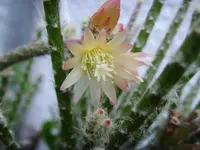
golden snakecactus Care (Bergerocactus emoryi)

Also known as: Golden-spined Cereus, Golden Cereus, Golden Spine Cereus, Snake Cactus
golden snakecactus

About golden snakecactus

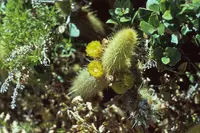
Golden snakecactus, Bergerocactus emoryi, is a columnar desert cactus known for its slender, densely spined stems that resemble golden-yellow bristles. It typically forms clumps of upright stems, creating a striking, architectural look in containers or rocky garden plantings.

This species is native to arid coastal areas of Baja California and southern California, where it grows in full sun and very fast-draining, sandy soils. Its slow growth, strong spination, and sensitivity to excess moisture make care for golden snakecactus relatively easy for patient growers who can avoid overwatering.

It prefers bright, direct light, low humidity, and infrequent but deep watering in a gritty mineral mix, similar to other desert cacti.

Main Plant Requirements

Care Difficulty

Moderate Care

Light Preference

Full Sun

Water Requirements

Low Water

Temperature Preference

Tropical / Frost Sensitive

Hardiness Zone

9–11

Soil Texture

Sandy, Rocky, Loamy

Soil pH

Slightly acidic (6.5–7.0), Neutral (7.0)

Soil Drainage

Well-drained

Fertilization

Minimal (feed rarely)

Get Personalized Care Plan

Scan your plant to receive care tips personalized for your specific plant

Available on iOS and Android

How to Care for the golden snakecactus

This desert cactus needs strong sunlight for compact, healthy growth.

  • Provide 6–10 hours of direct sun daily; full sun exposure suits mature plants, while young stems benefit from light morning sun plus bright afternoon light.
  • Golden snakecactus tolerates brief light shade, but prolonged low light leads to elongated, weak growth and pale, sparse spines.
  • In hot summers, protect from intense late-afternoon sun with slight shade to prevent scorching; in winter, maximize unshaded sun, especially in cooler climates.

Watering should mimic arid conditions with thorough soakings followed by long dry periods.

  • Let the soil dry fully, at least the top 5–10 cm, before watering; use a fast-draining mineral mix so water runs through in seconds.
  • In active warm-season growth, water when stems begin to slightly soften or wrinkle; in cool winter rest, water very lightly every few weeks or not at all if soil stays cool.
  • Signs of overwatering include blackened base tissue and a sour smell, while underwatering shows prolonged shriveling that does not improve within a few days after a deep watering.

This cactus prefers warm, dry air and copes well with high heat if soil drainage is excellent.

  • Ideal growing temperatures are 70–90°F (21–32°C), with good air movement and low to moderate humidity to limit fungal problems.
  • The plant tolerates short drops to about 28–30°F (-2 to -1°C) if completely dry, but repeated frost or wet cold quickly damages stems.
  • In very hot weather above 100°F (38°C), offer slight afternoon shade and avoid watering during peak heat to prevent root and tissue stress.

This cactus prefers very dry air and rarely has humidity problems indoors.

  • Aim for 20–40% relative humidity, similar to arid indoor conditions or outdoor desert air.
  • It tolerates drier air well; persistent humidity above 60% increases the risk of stem rot and fungal spots.
  • Signs of excess humidity include softening or yellowing stems and musty odor; improve airflow, use a dehumidifier, or move to a drier, brighter spot for healthier golden snakecactus growth.

This species needs a very fast-draining, mineral-rich soil to prevent root and stem rot.

  • Use a gritty cactus mix built from roughly 50–70% inorganic particles such as coarse sand, pumice, or perlite plus 30–50% lean cactus potting base.
  • Aim for slightly acidic to neutral pH around 6.0–7.0, avoiding strongly alkaline mixes that can lock up nutrients over time.
  • Ensure the texture is loose and crumbly; incorporate extra pumice or perlite to increase aeration if water does not drain through within seconds.
  • Avoid heavy, peat-dominant, or clay-based soils, which hold water around the roots and can quickly damage Bergerocactus emoryi in containers or outdoor plantings.

This cactus is suitable for container growing when the pot is chosen to stay dry and stable.

  • Select a pot only slightly wider than the root ball, as an oversize container keeps the mix wet longer around the roots.
  • Choose unglazed terracotta in windy or exposed sites to increase evaporation and add weight that stabilizes the tall, narrow stems.
  • Use a low, broad container or add top dressing gravel to lower the center of gravity and reduce the risk of the plant tipping over as it elongates.

This desert cactus has low nutrient needs, so fertilizer use should be light and focused on the active growing season.

  • Use a low-nitrogen, balanced cactus fertilizer (diluted to 25–50% strength) rather than rich compost on golden snakecactus.
  • Feed once every 4–6 weeks in late spring and summer only, when growth is visible.
  • Skip feeding in fall and winter to allow a proper rest period and prevent weak, etiolated growth.
  • Flush the pot with plain water a few times each season to limit salt buildup in the soil.

Pruning Bergerocactus emoryi is minimal and mainly done to maintain health and safe handling rather than shaping.

  • Carry out any pruning in late spring or early summer, when the plant is actively growing.
  • Remove only dead, diseased, storm-damaged, or severely scarred stems with clean, sharp pruners.
  • Cut entire stem sections back to their base or a healthy branching point, avoiding small tip nips.
  • Wear thick gloves and use long-handled tools to manage dense spines and reduce injury risk.

This cactus prefers to stay undisturbed, so repotting or transplanting should be infrequent and deliberate.

  • Repot only when roots circle the pot, emerge from drainage holes, or growth slows despite good light.
  • Plan repotting for late spring, about every 3–5 years, using a shallow pot with sharp drainage holes.
  • Handle the plant with thick gloves or folded newspaper to avoid spine injury and mechanical root damage.
  • Lift gently, disturb roots as little as possible, set into fresh, gritty cactus mix, and keep soil barely moist for 1–2 weeks.

Propagation of Bergerocactus emoryi is possible but slower than many common house cacti, so patience is important.

  • Sow seeds in late spring on the surface of sterilized, gritty cactus mix, then lightly cover with sand.
  • Keep the seed tray in bright, indirect light at 70–80°F with evenly barely-moist substrate until germination.
  • For stem cuttings, allow cut surfaces to callus for 7–14 days in a dry, shaded place before planting.
  • Root cuttings upright in a well-drained mix, water sparingly, and avoid disturbance until new growth appears.

This cactus prefers mild, dry winters and suffers in prolonged freezing conditions, especially in containers.

  • Outdoors, it tolerates only brief light frosts; sustained temperatures below about 28°F can damage tissues.
  • Apply a thin layer of mineral mulch, such as gravel, to improve drainage rather than to insulate heavily.
  • Move potted plants indoors or into a cold greenhouse before hard frost, giving maximum sun and good airflow.
  • Reduce watering sharply in winter, keeping the root zone almost dry to limit rot in cool conditions.

Care Tips

Elevated potting surface

Place containers on pot feet, bricks, or a mesh bench so excess water drains quickly away from the base and the root zone stays dry after rare rainfall or heavy watering.

Rain and dew protection

In wetter climates, position plants where overhead eaves or a translucent shelter block prolonged rain and heavy dew, which greatly reduces the risk of stem rot on this desert cactus.

Mineral mulch layer

Top-dress the soil with a 1–2 cm layer of coarse grit, pumice, or small lava rock to keep the stem base dry, stabilize the plant, and prevent soil from splashing onto the areoles and spines.

Gradual light hardening

When moving a plant from indoor light or shade to full sun, increase exposure over 10–14 days to prevent corky sunburn patches on the exposed side of the stems.

Ventilation for health

Ensure strong air movement around the plant, especially in greenhouses or bright windows, to keep the epidermis dry and discourage fungal spots and mealybugs when caring for golden snakecactus.

Common Pests and Diseases

Mealybugs

This pest often hides in woolly clusters between ribs and around areoles, sucking sap and causing yellowing and weak, stunted growth.

Solution

Isolate the plant, then dab visible insects with cotton swabs dipped in 70% isopropyl alcohol and repeat weekly until gone; for heavier infestations on Bergerocactus emoryi care collections, use a systemic insecticide labeled for cacti and improve air movement while keeping the plant in bright, dry conditions.

Red spider mites

These insects thrive in hot, dry conditions and cause fine speckling, dulling of the stems, and very fine webbing between the spines.

Solution

Increase humidity slightly with brief misting around, not on, the stems, then rinse the plant thoroughly with a strong stream of water and follow up with 2–3 applications of insecticidal soap or a horticultural oil labeled for mites, taking care to spray into spine clusters.

Soft scale

This pest appears as small, dome-shaped bumps along ribs and at the stem base, leading to sticky honeydew and sooty mold on nearby surfaces.

Solution

Gently scrape or wipe off individual insects with a soft brush or cloth soaked in diluted alcohol, then treat the entire plant with a systemic insecticide suitable for succulents and monitor new growth for several weeks, removing any new scales promptly.

Fusarium stem rot

This disease causes localized soft, sunken, or discolored patches on the columnar stems, often starting from old injury sites or overly wet areas.

Solution

Cut out affected tissue with a sterile knife back to firm, healthy tissue, dust the wound with dry sulfur or a copper-based fungicide, then keep the plant in a warm, very dry, well-ventilated spot and adjust watering to allow the soil to dry completely between waterings.

Bacterial soft rot

Symptoms include rapidly spreading, foul-smelling, mushy tissue, typically beginning at a wound or where water has pooled on the stem surface.

Solution

Remove and discard all severely affected sections immediately, sterilizing tools between cuts; allow any salvaged healthy stem to callus in a dry, airy location before replanting in a sterile, very fast-draining mix, and avoid overhead watering or water sitting on the stems.

Interesting Facts

Coastal fog specialist

This cactus is naturally restricted to a narrow strip of coastal scrub and chaparral in southern California and northern Baja California, where summer fog provides critical moisture in an otherwise very dry climate.

Hooked central spines

Its long golden spines include sharply hooked central spines that help protect the plant from herbivores and can also trap wind-blown debris that slowly adds organic matter around the stem base.

Bee-pollinated yellow blooms

The plant produces narrow, bright yellow flowers along the stem that are mainly pollinated by native solitary bees, which are attracted by both the color and the concentrated nectar along the coastal habitat.

Botan icon

Did you know?

This species is considered rare in its native U.S. range and is listed by the California Native Plant Society as threatened by habitat loss and coastal development, making wild populations of this golden snakecactus of particular conservation concern.

FAQs about golden snakecactus

Lack of flowering usually results from insufficient maturity, cool-season rest, or stress from repotting. This species often needs several years to bloom, followed by bright conditions, stable root zone, and no heavy feeding right before its spring–early summer flowering period.

Grow Healthy Plants with Botan Care

Keep your plants happy and healthy with plant identification, disease detection, and easy care guidance.

Botan plant care app — identify plants on mobile

Explore More Plants