common hedge-nettle Care (Betonica officinalis)

Also known as: wood betony, betony
common hedge-nettle

About common hedge-nettle

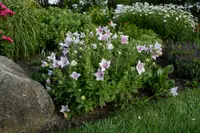
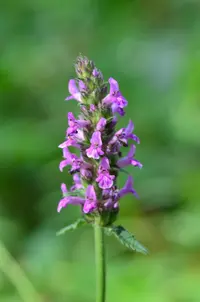
Common hedge-nettle, Betonica officinalis, is a hardy perennial herb in the mint family, valued more for its foliage and flowers than for its scent. It forms upright clumps with square stems, textured green leaves, and spikes of purple-pink flowers that attract bees and other pollinators.

This species is native to Europe and parts of western Asia, and it typically grows in meadows, woodland edges, and hedgerows. Its tough nature and moderate growth rate make it relatively straightforward to care for common hedge-nettle in temperate gardens.

The plant prefers sun to light shade, evenly moist but not waterlogged soil, and benefits from reasonably fertile, well-drained ground. Once established, it can tolerate short dry spells and adapts well to naturalistic plantings.

Main Plant Requirements

Care Difficulty

Easy Care

Light Preference

Partial Sun

Water Requirements

Moderate Water

Temperature Preference

Cold Hardy

Hardiness Zone

4–8

Soil Texture

Sandy, Loamy, Organic-rich

Soil pH

Acidic (5.5–6.5), Slightly acidic (6.5–7.0)

Soil Drainage

Moist but well-drained

Fertilization

Minimal (feed rarely)

Get Personalized Care Plan

Scan your plant to receive care tips personalized for your specific plant

Available on iOS and Android

How to Care for the common hedge-nettle

Betonica officinalis grows best in bright outdoor conditions with moderate direct sun and some daily shade.

  • Provide 4–6 hours of direct sun, ideally morning sun with light afternoon shade, especially in warmer regions.
  • Tolerates partial shade, such as dappled light under open trees, but flowering may decrease if direct sun drops below about 3 hours per day.
  • Excessive harsh afternoon sun can scorch leaves, while deep shade leads to weak, leggy growth in common hedge-nettle, so adjust site exposure seasonally.

This perennial prefers evenly moist, well-drained soil rather than constant wet or very dry conditions.

  • Water when the top 3–5 cm of soil feel dry, aiming for soil that is damp but not soggy after watering.
  • In spring and early summer, monitor more often during active growth; in cooler or rainy periods, extend the interval to prevent waterlogging in heavier soils.
  • Betonica officinalis shows underwatering as drooping, dry-edged leaves, while yellowing, soft stems, or a sour soil smell indicate overwatering and poor drainage.

This hardy perennial tolerates a wide range of outdoor temperatures but grows best in mild conditions.

  • Optimal growth occurs around 60–75°F (16–24°C), with strong vegetative growth and flowering in these temperatures.
  • Mature plants tolerate winter cold down to about 0°F (−18°C) in the ground, dying back above soil level while the root system survives.
  • Heat up to about 85–90°F (29–32°C) is usually tolerated if soil moisture is maintained; prolonged heat plus drought can cause leaf scorch and reduced flowering.

This species handles typical outdoor humidity in temperate climates and rarely needs special humidity management.

  • Ideal humidity is around 40–60%, similar to average garden conditions in much of the US.
  • Plants tolerate short dry-air spells if soil moisture is stable, especially when mulched.
  • Humidity stress shows as marginal leaf browning and limp foliage; focus on consistent soil moisture rather than artificial misting.

This perennial prefers moderately fertile, well-structured soil that stays evenly moist but never waterlogged.

  • Use a loamy mix with 40–60% garden soil, 20–30% compost, and 10–20% coarse sand or fine grit to balance fertility and drainage.
  • Aim for mildly acidic to neutral pH, roughly 6.0–7.2, which supports nutrient uptake and healthy Betonica officinalis growth.
  • Improve aeration on heavier clay by working in coarse sand, fine gravel, or horticultural grit, not just extra compost.
  • Avoid compacted, standing-water-prone spots and very dry, stony substrates, which both reduce root performance and flowering.

This species can grow reliably in containers when provided with stable moisture and enough root depth.

  • Choose a pot at least 25–30 cm deep so the fibrous roots can develop a cool, sheltered zone away from rapid surface drying.
  • Use a heavier terracotta or ceramic container to prevent wind rock once the clumps become leafy and top-heavy.
  • Raise the pot slightly on feet or bricks so drainage holes clear quickly and the root zone does not sit in a puddle after rain.

This hardy perennial needs only light feeding in typical garden soil, making caring for common hedge-nettle straightforward.

  • Apply a thin layer of garden compost or well-rotted manure around the clump in early spring.
  • Use a balanced slow-release fertilizer (around 10-10-10) at half strength once in spring if growth appears weak.
  • Avoid high-nitrogen products that push lush foliage at the expense of flowers.
  • Do not feed in late fall or winter, as the plant is dormant and excess nutrients may leach away.

Pruning Betonica officinalis focuses on tidying the clump and supporting repeat flowering.

  • Shear back spent flower spikes in mid to late summer to encourage a neater mound and possible light rebloom.
  • Remove dead, damaged, or diseased stems at the base whenever noticed, using clean, sharp hand pruners.
  • In late fall or early spring, cut back old, browned foliage to just above ground level for fresh new growth.
  • Thin out congested stems every few years to improve air movement and reduce foliar disease risk.

This perennial is usually grown in-ground, so care focuses more on dividing and transplanting mature clumps than frequent repotting.

  • Transplant or divide in early spring or early fall, when temperatures are mild and soil stays evenly moist.
  • Look for signs like crowded crowns, bare centers, or slow vigor as indicators the clump needs lifting and division every 3–5 years.
  • Lift the plant with a fork, gently tease apart roots, discard woody or dead sections, and replant divisions at original depth.
  • Water thoroughly after transplanting, keep soil slightly moist for 2–3 weeks, and shade temporarily to reduce transplant shock.

This species is commonly increased by division, seeds, and sometimes softwood cuttings.

  • Divide established clumps of Betonica officinalis in early spring or early fall, replanting vigorous outer sections into prepared soil.
  • Sow fresh seed in late summer or fall outdoors, or in trays kept cool; light cold exposure often improves germination.
  • Take softwood stem cuttings in late spring, insert into a free-draining mix, and maintain high humidity and bright, indirect light.
  • Label different propagation batches and discard weak or diseased pieces to keep planting stock healthy.

This hardy perennial tolerates typical temperate winters and usually needs minimal special care.

  • The root system withstands frost in-ground across much of the US, especially in well-drained soil.
  • After hard frosts, cut back collapsed stems to reduce fungal problems and tidy the planting area.
  • Apply a 3–5 cm mulch layer around the crown in colder regions to moderate soil temperature and moisture.
  • For container-grown plants in very cold climates, move pots into an unheated garage or sheltered spot to prevent root freezing.

Care Tips

Encourage Bushy Growth

After the first main flowering flush, shear back spent flower spikes by 5–10 cm to stimulate compact, bushy regrowth and a lighter second bloom.

Use Light Mulching

Apply a thin 2–3 cm layer of leaf mold or fine bark around the clump, keeping it 2–3 cm away from stems, to conserve moisture while preventing crown rot.

Division For Vigor

Every 3–4 years in early spring or early fall, lift and divide congested clumps into smaller sections with healthy white roots to maintain flowering quality and control spread when growing common hedge-nettle.

Support In Windy Sites

In exposed gardens, place low, open plant supports or short hoops around young plants in spring so stems can grow through and remain upright without tying.

Monitor For Rust

Inspect foliage regularly for small orange-brown pustules and promptly remove affected leaves to limit spread of rust, then thin nearby plants slightly to improve air movement around the clump.

Common Pests and Diseases

Powdery mildew

This disease causes a white, powdery coating on leaves, often appearing in warm, dry conditions with poor air movement. Symptoms include distorted or yellowing foliage and reduced vigor, especially in dense clumps.

Solution

Thin and divide crowded plants to improve airflow, water at soil level to keep foliage dry, and remove heavily infected leaves to limit spread. In persistent cases, apply a sulfur or potassium bicarbonate fungicide labeled for ornamental perennials, following directions carefully.

Leaf spot

This disease produces small brown or purplish spots on leaves that may merge into larger blotches, often starting on lower foliage in humid or wet conditions. Symptoms include premature yellowing and shedding of affected leaves, which weakens the plant over time.

Solution

Remove and discard spotted leaves and any fallen debris around the plant to reduce sources of reinfection. Improve air circulation, avoid overhead watering, and, if needed, use a copper-based fungicide during extended wet periods according to label instructions.

Aphids

These insects cluster on young stems and leaf undersides, feeding on sap and causing curling, distortion, and sticky honeydew that can attract sooty mold. This pest is most common on soft spring growth and in sheltered garden spots.

Solution

Dislodge colonies with a strong stream of water, and pinch back heavily infested shoot tips. For ongoing issues, introduce or encourage natural predators such as lady beetles, or use insecticidal soap or horticultural oil sprayed thoroughly on leaf undersides, repeating as needed.

Spider mites

This pest thrives in hot, dry conditions and feeds on leaf sap, leading to fine stippling, dull or bronzed foliage, and sometimes delicate webbing between stems and leaves. Symptoms include gradual decline in plant appearance rather than sudden damage.

Solution

Increase humidity around the plants and rinse foliage with water, focusing on leaf undersides, to physically remove mites. For heavier infestations, apply horticultural oil or insecticidal soap, ensuring thorough coverage and repeating on a 5–7 day schedule until new growth appears clean.

Slugs and snails

These pests chew irregular holes in leaves, especially on young or lower foliage, and often leave shiny slime trails on or near the plant. Damage is typically worst in cool, moist conditions and in dense plantings or heavy mulch.

Solution

Hand-pick slugs and snails in the evening or early morning, and reduce hiding spots by keeping mulch thin and debris away from crowns. For persistent problems, use iron phosphate slug baits placed according to the label, and consider simple barriers such as copper tape around vulnerable planting areas.

Interesting Facts

Native European meadow herb

This species is native to much of Europe and prefers open meadows, light woodland edges, and grasslands, where it often forms stable, long-lived clumps in moderately nutrient-poor soils.

Pollinator-friendly flower structure

Its dense spikes of purple tubular flowers are adapted to bee pollination, providing a landing platform and guiding hairs that lead insects toward nectar and pollen.

Square stems and opposite leaves

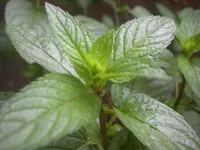
Like many members of the mint family Lamiaceae, it has distinctly square stems and pairs of opposite, textured leaves, which help in reliable field identification.

Botan icon

Did you know?

Historical records from European herbal texts show that this species was cultivated in monastery and physic gardens from at least the Middle Ages, making it one of the longer-documented native wildflowers in traditional European horticulture.

FAQs about common hedge-nettle

This species spreads by short rhizomes and self-seeding but is usually moderate, not rampant. In suitable conditions, it can form loose clumps or small patches, yet is normally easy to manage by lifting or edging unwanted shoots.

Grow Healthy Plants with Botan Care

Keep your plants happy and healthy with plant identification, disease detection, and easy care guidance.

Botan plant care app — identify plants on mobile

Explore More Plants