Hearleaf Birch Care (Betula cordifolia)

Also known as: Mountain White Birch, Speckled Birch, heartleaf paper birch
Hearleaf Birch

About Hearleaf Birch

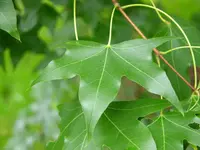
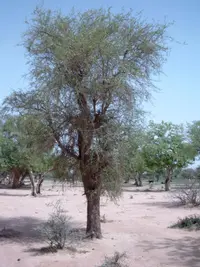
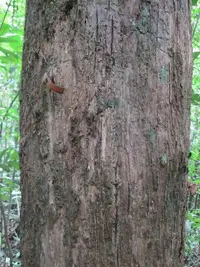
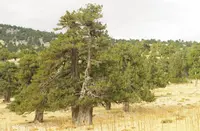
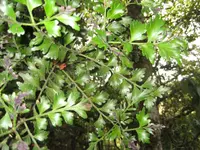
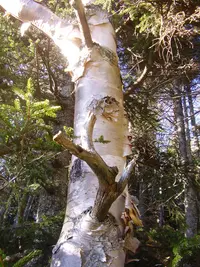
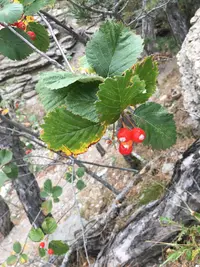
Hearleaf birch, Betula cordifolia, is a cold-hardy deciduous tree native to northeastern North America, often found in cool, moist mountain forests and stream edges. It typically forms a medium to tall tree with light-colored, peeling bark and heart-shaped leaves that turn yellow in fall.

This species prefers consistently moist, well-drained, slightly acidic soil and does best in full sun to light shade. Its tolerance for cold and wet conditions makes it useful in naturalistic landscapes, though it dislikes hot, dry sites.

Gardeners who learn how to care for Hearleaf Birch usually find it reliable where climate and soil match its natural habitat.

Main Plant Requirements

Care Difficulty

Moderate Care

Light Preference

Full Sun

Water Requirements

Regular Water

Temperature Preference

Cold Hardy

Hardiness Zone

2–6

Soil Texture

Loamy, Silty, Organic-rich

Soil pH

Strongly acidic (4.5–5.5), Acidic (5.5–6.5)

Soil Drainage

Moist but well-drained

Fertilization

Minimal (feed rarely)

Get Personalized Care Plan

Scan your plant to receive care tips personalized for your specific plant

Available on iOS and Android

How to Care for the Hearleaf Birch

This species prefers bright outdoor exposure with cool, moist conditions.

  • Provide full sun to light shade, aiming for 4–8 hours of direct sun daily, with a preference for morning sun and light afternoon shade in hotter regions.
  • Young Hearleaf Birch trees benefit from partial shade during their first 2–3 summers to reduce leaf scorch and stress during heat waves.
  • In hot summers, use neighboring trees or structures to give dappled light, especially on west-facing sides, to prevent foliage burn and drought stress.

This tree prefers consistently moist but not waterlogged soil, especially while establishing.

  • Water when the top 3–5 cm of soil feels slightly dry, soaking the root zone deeply rather than giving light, frequent splashes.
  • During the first 2–3 years, monitor rainfall and supplement to provide roughly 2.5–5 cm of water per week, reducing extra watering once roots are well established.
  • Poor drainage, standing water, or sour-smelling soil suggests overwatering, while drooping, curling, or browning leaf edges during dry periods indicate underwatering for Betula cordifolia.

This hardy birch thrives in cool to cold climates with moderate summers.

  • Active growth is strongest around 55–75°F (13–24°C), with cool nights helping maintain leaf health and reduce stress.
  • Mature trees tolerate winter lows near -40°F (-40°C), but late-spring frosts after budbreak can damage new leaves and young shoots.
  • In hot regions, repeated exposure above 85–90°F (29–32°C) can stress the tree, so combine soil mulching with partial afternoon shade and reliable soil moisture to limit heat damage.

This species tolerates a wide humidity range but prefers moderately moist air in line with its native cool, forested habitats.

  • Aim for 40–60% humidity, which is typically available outdoors in many temperate regions.
  • Leaves may brown at edges or curl slightly if air stays very dry with hot winds for extended periods.
  • Mulch the root zone and group trees with other plantings to maintain a slightly moister microclimate around Hearleaf Birch foliage.

Betula cordifolia grows best in moist, cool, well-structured mineral soil with consistent aeration.

  • Use a deep, loamy mix with roughly equal parts garden loam, coarse sand, and compost to support moisture retention without waterlogging.
  • Target slightly acidic to neutral pH, around 5.5–7.0, which supports nutrient availability for this species.
  • Improve drainage and aeration by incorporating coarse sand or fine grit, especially in heavier or compacted native soils.
  • Avoid heavy clay that stays saturated, highly alkaline substrates, or very shallow, stony profiles that dry out rapidly.

This species is generally unsuited to long-term container growing and performs best planted in the ground.

Betula cordifolia, or hearleaf birch, usually needs modest fertilization when grown on reasonably fertile soil.

  • Apply a balanced, slow-release fertilizer (e.g., 10-10-10) once in early spring if growth or leaf color seems weak.
  • Use light rates, at about half the label recommendation, to avoid excessive, weak growth.
  • On poor soils, top-dress with compost in spring to improve structure and nutrient availability.
  • Avoid feeding in late summer or fall so new shoots can harden before winter.

Pruning Betula cordifolia focuses on safety, structure, and removal of unhealthy wood rather than heavy shaping.

  • Carry out pruning in late winter while the tree is dormant, before sap flow and bud break.
  • Remove dead, diseased, or storm-damaged branches first, cutting back to healthy wood with clean, sharp tools.
  • Thin crowded interior branches lightly to improve airflow and light penetration without over-opening the canopy.
  • Limit cuts to smaller branches to maintain natural form and reduce stress on the tree.

This birch is usually grown in the ground, so transplanting young trees correctly is more important than repotting.

  • Transplant in early spring or early fall when temperatures are mild and soil moisture is steady.
  • Choose a site with moist, well-drained soil and plant at the same depth as in the nursery container or field.
  • Handle the root ball gently, keeping roots intact and moist to reduce transplant shock.
  • Water deeply after planting, then maintain consistent moisture for the first 1–2 growing seasons to support establishment.

Betula cordifolia is most often propagated from seed, which suits forestry and restoration use.

  • Collect ripe seed in late summer or fall, then dry and store cool until sowing.
  • Cold stratify seed for 6–8 weeks at about 34–40°F to break dormancy and improve germination.
  • Sow on the surface of a moist, free-draining mix, as birch seed benefits from light exposure.
  • Keep temperatures cool to mild and humidity even, avoiding waterlogging that can cause damping-off.

This species is naturally cold hardy and generally needs minimal winter care once established in the landscape.

  • In late fall, apply a 5–8 cm mulch layer over the root zone, keeping it slightly away from the trunk.
  • Young or newly planted trees benefit from trunk guards to limit sunscald and rodent damage in winter.
  • Container-grown specimens, if any, should be moved to a sheltered, unheated but frost-moderated area.

Care Tips

Prevent heat stress

Site the tree where roots are shaded by understory plants or mulch to keep the root zone cool, which reduces stress and borer vulnerability during hot summers when growing Hearleaf Birch.

Scout for borers

From late spring through summer, inspect the trunk and major branches monthly for small exit holes, ridged bark, or sawdust-like frass, and contact an arborist early if symptoms of bronze birch borer appear.

Root zone protection

Keep all lawn equipment and foot traffic away from the root flare and dripline, and maintain a 5–10 cm deep mulch ring instead of turf to prevent mechanical injury and soil compaction.

Snow and ice management

In snowy climates, brush off heavy wet snow from young, flexible branches with a soft broom and avoid piling plowed snow or deicing salts near the trunk to reduce breakage and salt damage.

Thoughtful companion planting

Underplant with shallow-rooted, shade-tolerant perennials rather than deep-rooted shrubs or trees, so the birch keeps priority access to moisture and nutrients without strong root competition.

Common Pests and Diseases

Bronze birch borer

This pest is a beetle whose larvae tunnel under the bark, disrupting water flow and slowly weakening the tree from the top down. Symptoms include dieback of upper branches, sparse foliage, and D-shaped exit holes in the bark.

Solution

Prune and destroy heavily infested or dead branches, focusing on removing stressed upper limbs during dormant season. Improve tree vigor with proper watering and mulching, avoid trunk injury, and where pressure is high, use a licensed arborist to apply targeted trunk or soil-systemic treatments timed to adult emergence.

Birch leafminer

These insects are small sawfly larvae that feed between the upper and lower leaf surfaces, causing pale blotches that may turn brown and make the foliage look scorched. Symptoms include papery, blistered patches on leaves and premature leaf drop in heavy infestations.

Solution

Remove and destroy affected leaves early in the season to reduce developing larvae, especially on small or young trees. In areas with repeated damage, monitor new growth and consider using horticultural oil or an appropriate systemic product applied by a professional before larvae enter the leaves.

Leaf spot

This disease is usually caused by fungal pathogens that create small dark or tan spots on leaves, sometimes with yellow halos. Symptoms include scattered lesions that may merge, leading to early leaf drop in late summer during wet years.

Solution

Rake and dispose of fallen leaves in autumn to reduce the amount of overwintering fungus, and maintain good spacing and airflow around the tree. During prolonged wet periods, especially in young plantings, a labeled ornamental tree fungicide can be used preventively according to local regulations and product directions.

Canker diseases

These diseases, often caused by fungi or bacteria, produce sunken or discolored patches on branches or trunk where the bark may crack, ooze, or die. Symptoms include dieback beyond the canker, sparse foliage on affected limbs, and rough or split bark areas.

Solution

Prune out infected branches several inches below visible symptoms during dry weather, and disinfect pruning tools between cuts with alcohol or a bleach solution. Reduce stress by maintaining even soil moisture, avoiding mechanical damage to the trunk, and not piling mulch against the bark to support long-term Betula cordifolia plant care.

Interesting Facts

Hybrid origin species

Betula cordifolia is considered a stabilized hybrid species, thought to have arisen from natural crosses between paper birch (Betula papyrifera) and yellow birch (Betula alleghaniensis), which helps explain its mix of leaf and bark traits.

Cold mountain specialist

This species is strongly associated with cool, moist, high-elevation habitats in northeastern North America and is often one of the dominant trees near the treeline on exposed mountain slopes.

Distinctive heart-shaped leaves

Unlike most other North American birches, this tree typically develops noticeably heart-shaped leaf bases, which is the feature that led to its common name, heartleaf birch.

Botan icon

Did you know?

Heartleaf birch plays an important role in stabilizing thin, rocky mountain soils, where its root systems help reduce erosion on steep slopes and support the gradual development of forest communities in harsh alpine-transition zones.

FAQs about Hearleaf Birch

This species has a moderate growth rate, usually adding 30–60 cm per year under good conditions. Growth slows in poor, compacted, or dry soils. Young trees establish faster, then the rate gradually declines as they approach maturity.

Grow Healthy Plants with Botan Care

Keep your plants happy and healthy with plant identification, disease detection, and easy care guidance.

Botan plant care app — identify plants on mobile

Explore More Plants